Tariff increments may not necessarily address operational efficiencies – Analyst
Senior Research and Policy Analyst at the Institute for Energy Security (IES), Smith Prosper Boahene, says increasing electricity tariffs alone may not resolve the operational challenges confronting the Electricity Company of Ghana (ECG).
Smith Prosper Boahene, Senior Research and Policy Analyst at the Institute for Energy Security, argues that raising electricity tariffs alone may not solve the operational difficulties faced by the Electricity Company of Ghana (ECG). His remarks come as the Trades Union Congress (TUC) opposes private sector involvement in ECG and the Northern Electricity Distribution Company (NEDCo), with concerns about the impact on consumers, workers, and electricity tariffs.
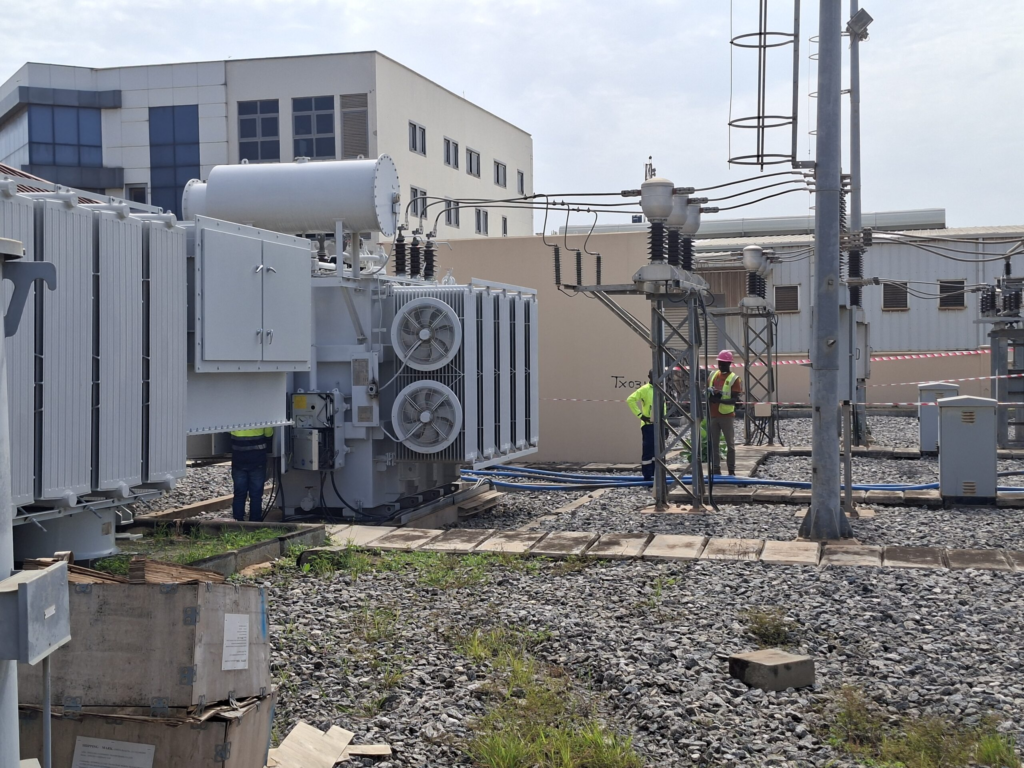
Boahene urges the debate to shift from emotions to policy measures that tackle the core issues within the power distribution sector. He notes that despite efforts to reduce them, ECG's commercial and technical losses remain high, at around 26% in 2025 and projected to be 25% this year. Technical losses, he explains, are largely due to outdated distribution network infrastructure, causing significant power loss during transmission.
ECG's inability to fully recover revenue from supplied electricity is another major concern, as it impacts the financial health of the energy sector and its ability to meet payments to Independent Power Producers (IPPs) and adhere to the cash waterfall mechanism. Boahene emphasizes that the government's financial commitment to the energy sector necessitates exploring sustainable solutions to recurring power distribution costs.
He points out that Ghana has spent over $1.5 billion clearing debts in the sector, while still managing other financial duties, such as capacity charges and fuel-related arrears. Thus, the conversation on private sector participation (PSP) should concentrate on its potential to enhance efficiency and alleviate persistent losses, rather than merely increasing tariffs.
Boahene clarifies that private sector involvement should not be mistaken for ECG's outright privatization, asking what policy proposals, like the one raised by the TUC, would address the issue if private sector participation is indeed a problem. He calls for stakeholders to explore alternative policy interventions that can boost ECG's operational efficiency while protecting consumers from excessively high tariffs, focusing on finding a sustainable solution to Ghana's electricity distribution sector's financial and operational challenges.
Written by urgent.news from MyJoyOnline Ghana's reporting — not their text. Machine-written — may contain errors; check the original before relying on it.