Six in 10 people in Argentina’s poorest areas borrow to eat
Borrowing has ceased to be the exception and become the norm, says report by Instituto Periferias. Leer más
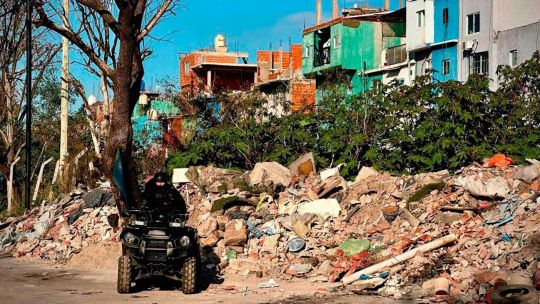
In Argentina's poorest neighborhoods, six out of ten residents have borrowed money to purchase food, while more than four out of ten admit to going without meals due to a lack of funds, according to a recent survey. These results, taken from a report by the Instituto Periferias, underscore the mounting financial strain on households in Argentina as families increasingly turn to debt to meet basic needs.
Of the people surveyed, 59.8% living in the most impoverished areas have resorted to debt to buy food, whereas 43.7% reported skipping meals because they lacked the resources to purchase food. The survey revealed that 75.4% of households in low-income neighborhoods cannot afford their essential expenses, and 61.8% have accumulated some form of financial debt.
Daniel Menéndez, the director of the Instituto Periferias and a leader of the left-wing Barrios de Pie social organization, noted that debt has become a recurring issue, with financial reliance extending beyond exceptional circumstances to everyday necessities like food and basic services.
Traditionally, debt was associated with significant life events such as a girl turning 15, a wedding, unexpected expenses, car breakdowns, or funerals. However, Menéndez explained that the current level of indebtedness is unprecedented and cannot be attributed to isolated situations. The survey, conducted in August among 4,742 people across 15 Argentine provinces, indicated that access to nutritious food has declined in low-income sectors, with 73.4% of residents unable to afford healthy meals.
Among the respondents, 53.8% of households said they had at some point run out of food, and 43.7% admitted to going days without eating. Twenty-six point five percent of households reported moderate food insecurity, where the quantity or quality of food was compromised. Food insecurity is closely linked to the normalization of debt, as 59.8% of respondents admitted to borrowing money to put food on the table.
Seventy-five point eight percent of families in low-income neighborhoods carry debt across various financial obligations, with credit cards being the most common form (44.8%), followed by loans from family or friends (31.9%), loans from private individuals (27.3%), and fintech apps (23.9%). Overdue payments for essential services accounted for 21.9% of cases, and informal loans from loan sharks affected 11.6% of those surveyed.
When asked about Argentina's primary problems, 61.2% of low-income residents identified hunger and poverty as their top concerns, with 49.4% expressing fears over job loss. The survey also revealed that 58.2% of respondents experienced anxiety or sadness due to their economic situation, highlighting the mental health impact of the current economic model, which disproportionately affects urban outskirts and peripheral areas.
Written by urgent.news from Buenos Aires Times's reporting — not their text. Machine-written — may contain errors; check the original before relying on it.