Senegal, Cape Verde breathed unsafe air for more than 120 days in 2025 – AfriCAN 2026 Report
For more than four months in 2025, parts of West Africa were breathing air that failed the World Health Organization's daily safety guideline. That is according to the new Africa Air Quality Brief 2026, the first continent-wide air quality report from the Africa Clean Air Network (AfriCAN). The report combines satellite and ground data from the Copernicus Atmosphere Monitoring Service with…
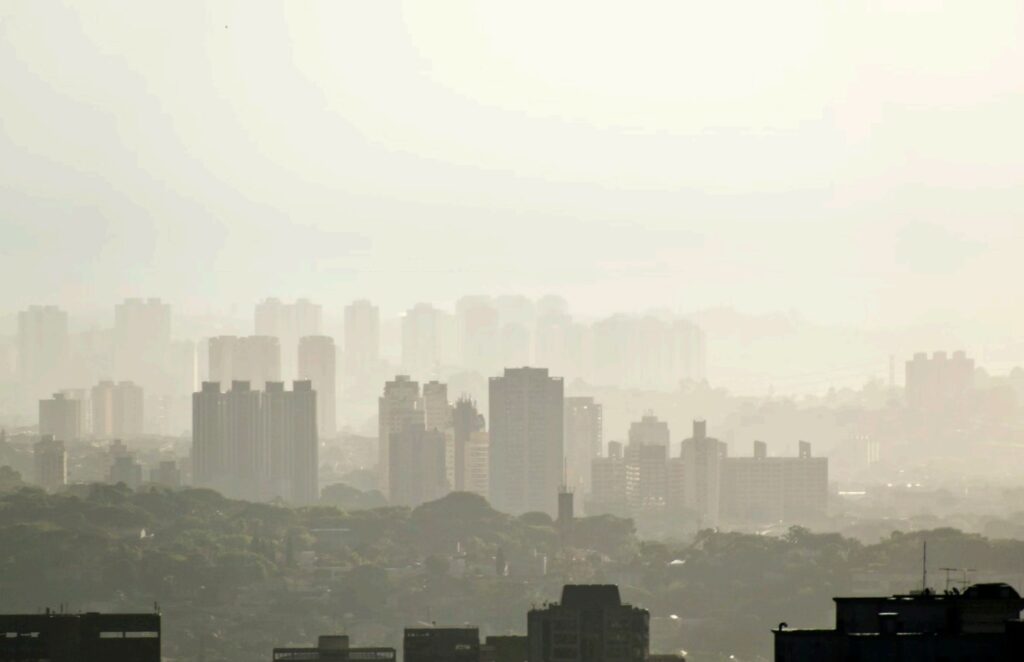
In 2025, West Africa was gripped by dangerously high air pollution levels for over 120 days, according to the Africa Air Quality Brief 2026 by the Africa Clean Air Network (AfriCAN). The report, which combines satellite and ground data with analysis from the State of Global Air, reveals that parts of West Africa exceeded the World Health Organization's daily safety guideline for PM2.5 particles for more than four months in 2025.
Senegal and Cape Verde, situated directly in the path of the dust plume, were particularly hard hit. While seasonal Saharan dust was the primary cause of the pollution, everyday activities such as traffic, cooking, waste burning also contributed to the issue. Nigeria, Niger, and Senegal recorded some of the worst annual average pollution levels.
West African countries are taking steps to address the problem. Togo's Air Quality Project is monitoring pollution in 11 cities, and Ghana is hosting the West Africa Centre for Clean Air to strengthen regional capacity to tackle air pollution. The report emphasizes the need for a shift from simply identifying the most polluted cities to highlighting the actions cities are taking to improve air quality.
For millions of West Africans, clean air is not just a target, but a critical issue affecting their daily lives.
Written by urgent.news from MyJoyOnline Ghana's reporting — not their text. Machine-written — may contain errors; check the original before relying on it.