Rodolfo ‘Baby’ Casanova and the golden age of Mexican boxing
Renowned as a birthplace of boxing champions, one of Mexico's greatest fighters during its early 20th century "golden age" was Rodolfo "Baby" Casanova, writes Bob Pateman. The post Rodolfo ‘Baby’ Casanova and the golden age of Mexican boxing appeared first on Mexico News Daily
In early 1867, a group of wealthy young men in Mexico City gathered at a gymnasium to determine who was the master of combat sports. Frenchman Nicolas Poupard had recently lost business to Thomas Hoyer Monstery, a Danish-born fencer and talented boxer who had fled Copenhagen after killing a man in a sword duel. Monstery and Poupard staged a series of contests, including sword fighting and boxing, though it is uncertain if these were exhibitions or duels.
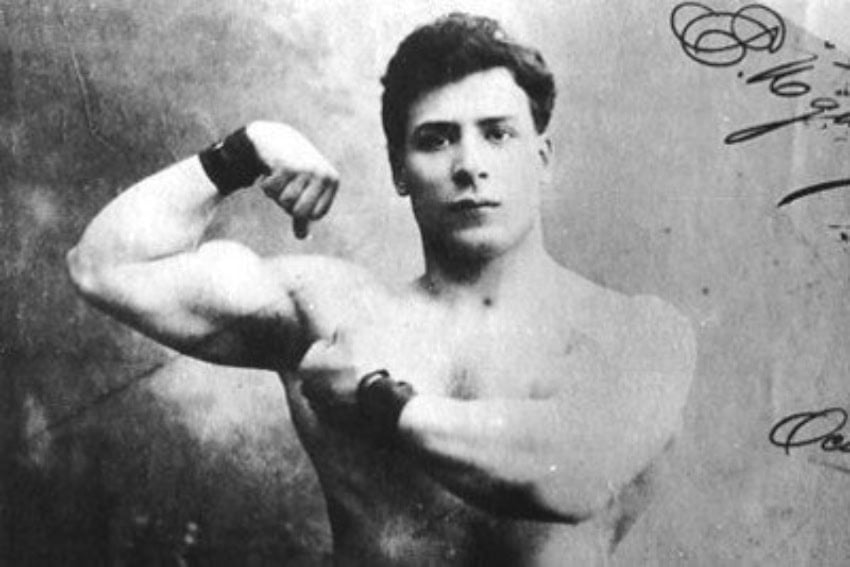
Enrique Ugartechea, known as "The Strongest Man in Mexico," played a key role in the development of boxing and wrestling in the country. Coming from a middle-class background, Ugartechea was introduced to boxing after watching the Italian wrestler Romulus at a circus. Over the next few years, he promoted boxing and wrestling matches in various settings, laying the foundation for the sport in Mexico.
The revolution in 1910 negatively impacted boxing, with fights taking place in small neighborhood gyms or parks. The sport received a boost in 1919 when world champion Jack Johnson arrived in Mexico City, following his exile due to breaking U.S. segregation laws by marrying a white woman. Johnson's arrival, along with an exhibition match and a confrontation with armed police, sparked excitement about boxing in the country.
The Mexican economy's prosperity in the 1920s led to an influx of people from the countryside into Mexico City, with many settling in the working-class neighborhood of Colonia Guerrero. Boxing, along with jai alai and wrestling, became popular forms of cheap street entertainment in this area, shifting the center of boxing from the rich sports clubs to the barrio gyms. This shift allowed boxing to reach a wider audience and gain greater acceptance among the middle class.
Written by urgent.news from Mexico News Daily's reporting — not their text. Machine-written — may contain errors; check the original before relying on it.