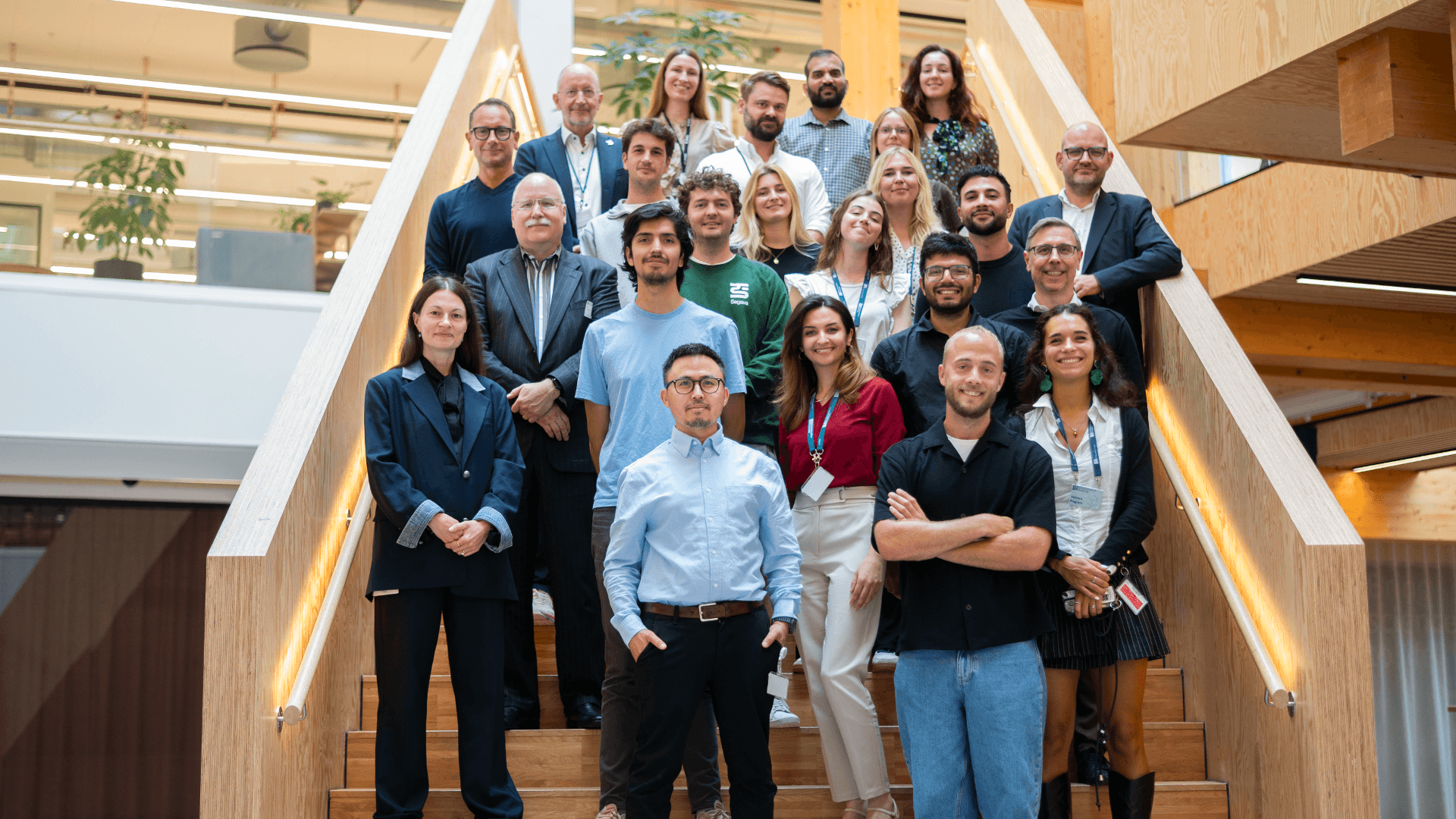
Research shows 94 percent of wealthy Asian families hold early generation wealth
Global survey data confirmed that 94 percent of Asia s wealthiest families manage first or second generation wealth while 95 percent maintain active private business ownership
SINGAPORE – Private wealth is surging globally, with an estimated US$74 trillion set to pass between generations in the next 20-25 years, making the philanthropic strategies of wealthy families a growing concern. A new study from The Bridgespan Group, examining 186 of the world's wealthiest individuals and families across 20 economies, reveals key insights into how these affluent households give, fund initiatives, structure their charitable activities, and aim to effect change.
The research, supported by Bridgespan's Funders Council and key foundations like The Rockefeller Foundation and the Gates Foundation, along with contributions from the Financial Services Development Council and Wealth Management Institute, marks the third year of their High-Impact Philanthropy series. Co-authored by Xueling Lee, the study highlights distinctive aspects of family philanthropy in Asia.
Asian families, where first- and second-generation wealth holders control approximately 94% of the wealth, differ from their counterparts in other regions where that figure is about 85%. This new wealth often remains closely tied to family-owned businesses, shaping philanthropic decisions with considerations around government relationships, succession planning, and reputation.
Despite funding similar issues like education, health, and support for marginalized groups, families in Asia are more likely to prioritize areas such as elderly care, religion, and sports. In contrast, families outside Asia more frequently donate to science and technology initiatives, including those related to artificial intelligence.
While most families in Asia publicly report outputs from their giving, such as built schools or trained teachers, outcome reporting remains scarce across all wealth groups. The report underscores that family philanthropy has led to some of today's most innovative solutions, with families uniquely positioned to take risks and form coalitions to tackle complex problems at their roots.
Written by urgent.news from Vietnam Investment Review's reporting — not their text. Machine-written — may contain errors; check the original before relying on it.