Proposed licensing regimes to beef up security, sustainability of Singapore's data centres and cloud services
The Bill will give businesses, organisations, and citizens assurance that the infrastructure they depend on is secure and resilient, said MDDI.
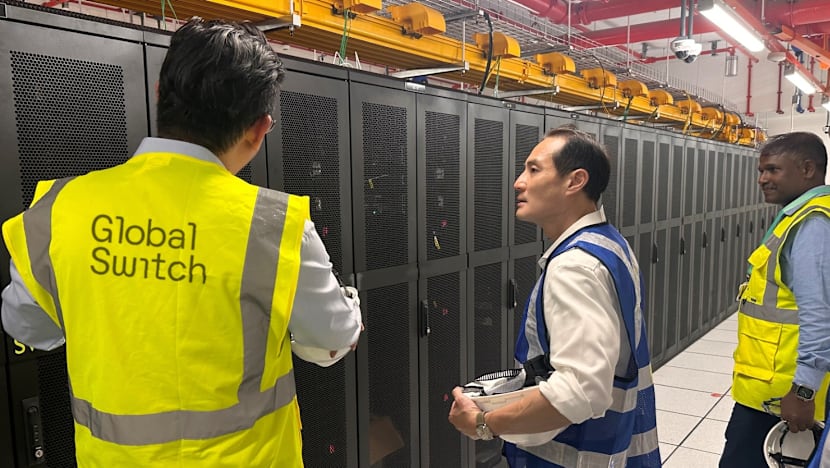
The Singapore government is proposing new licensing regimes to enhance the security and sustainability of the country's data centres and cloud services. The Digital Infrastructure Bill, introduced in parliament, aims to ensure that critical IT facilities with a minimum load of 3 megawatts (MW) adhere to energy efficiency requirements.
This includes power usage effectiveness standards for both existing and new data centres. Additionally, the framework allows for potential future regulations concerning IT equipment and water efficiency.
The proposed licensing regime also targets major cloud service providers and co-location data centres with a critical IT load of 10MW or more, as well as those generating at least SGD 100 million (USD 79 million) in annual revenue from Singaporean users over the past three years. These entities will be subject to stringent security and resilience measures, including business continuity and disaster recovery plans, as well as mandatory reporting of specific incidents and disruptions to the Infocomm Media Development Authority (IMDA).
The licensing regimes will be administered by the IMDA, in collaboration with industry stakeholders, including data centre operators and cloud service providers. The regulations aim to complement the Cybersecurity Act by addressing operational resilience risks, such as technical failures, power or cooling issues, fires, and other physical or operational incidents.
By implementing predictable and credible rules, Singapore aims to provide businesses, organizations, and citizens with the assurance that their critical digital infrastructure is secure and resilient, fostering confidence in the long-term investment in the country's digital infrastructure.
Written by urgent.news from Channel News Asia's reporting — not their text. Machine-written — may contain errors; check the original before relying on it.
This story
This is one outlet's version. Read the fullest account.