Prevention is Kenya’s strongest defence against disease
Dengue, malaria, cholera, tuberculosis, hypertension and diabetes present different health challenges, but they share one important reality: their impact can be reduced through prevention, early detection and timely action. These diseases do not begin at the hospital door, and neither should our response to them. The greatest gains in public health are often achieved long […] The post Prevention…
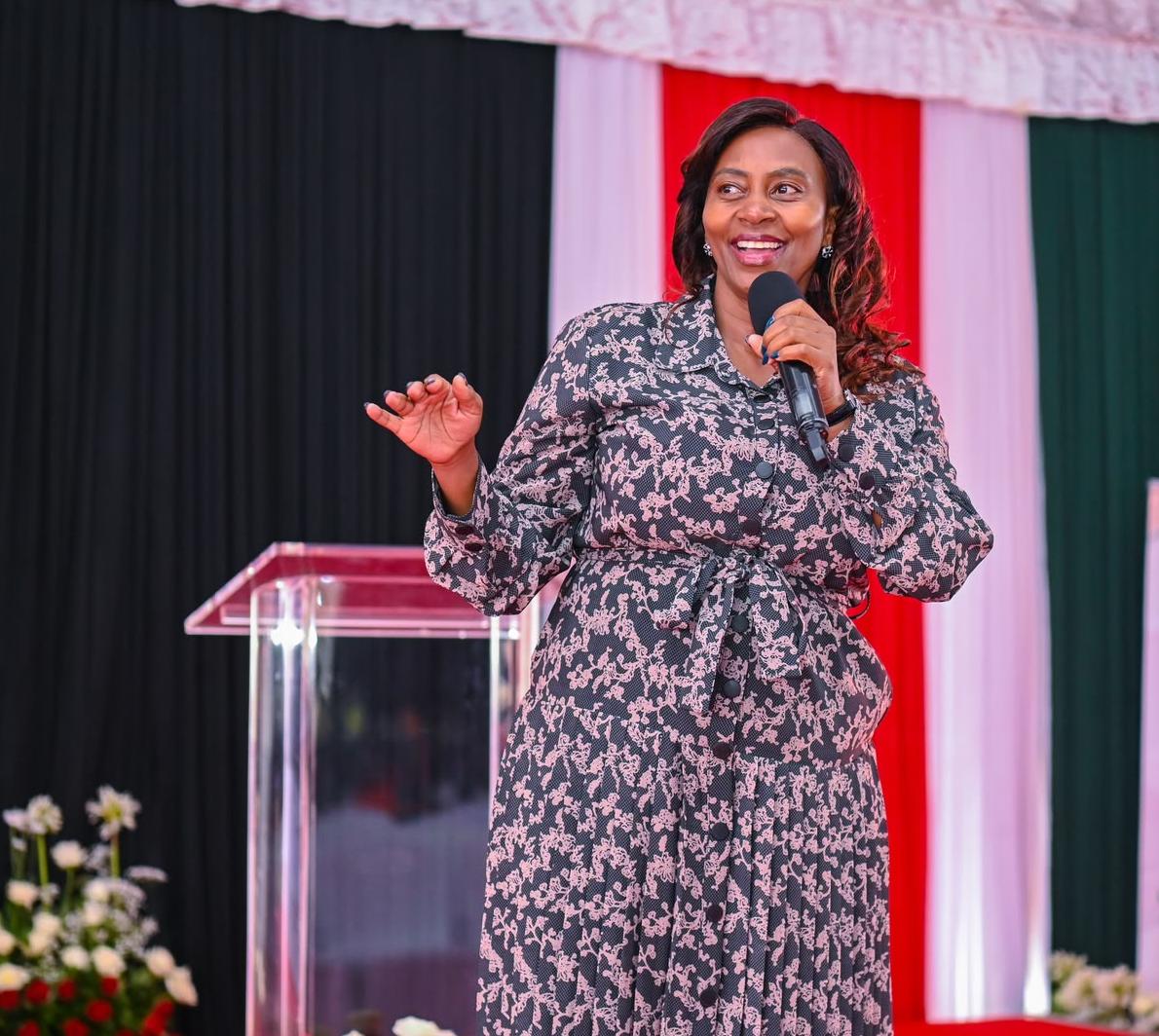
Kenya faces a range of health challenges, including dengue, malaria, cholera, tuberculosis, hypertension and diabetes. These diseases can be mitigated through prevention, early detection, and prompt action. Prevention begins at home, with families maintaining cleanliness, children receiving vaccinations, and communities reporting unusual illnesses promptly.
This shared responsibility involves informed communities, responsive institutions, and individuals who recognize the impact of their daily choices on public health. Kenya continues to grapple with various threats, including communicable diseases, unsafe food and water, inadequate sanitation, non-communicable diseases, and emerging health risks.
Factors like climate variability, population movement, and rapid urbanization further complicate disease emergence. The recent dengue outbreak in Garissa and Wajir counties exemplifies why prevention matters. By 26 August 2026, 1,678 dengue cases had been reported in Garissa, with five suspected deaths under investigation. Nearly half of Wajir's confirmed cases were children aged six months to 15 years.
While government action is essential, it cannot alone prevent dengue's spread. Communities, institutions, and individuals must actively participate. Dengue is transmitted by infected Aedes mosquitoes, which breed in stagnant water. Eliminating such breeding sites is crucial. Successful control measures include surveillance, laboratory diagnosis, clinical readiness, vector management, and community mobilization.
Ethiopia and Rwanda have demonstrated that these strategies, combined with strong health systems and community involvement, can significantly reduce disease burden. Communities, not just healthcare providers, must be engaged in disease prevention. Kenya's Community Health Promoters play a vital role in connecting households with the health system, providing health information, promoting preventive measures, and facilitating care referrals.
However, their effectiveness depends on community cooperation. Households must inspect surroundings, eliminate stagnant water, and cover water-storage containers. Parents should protect children from mosquito bites and seek medical attention promptly if symptoms like severe abdominal pain, persistent vomiting, bleeding, or difficulty breathing arise.
Regular screenings for hypertension, diabetes, and other non-communicable diseases are equally important. Ultimately, lasting public health protection requires active participation from every Kenyan. A healthier nation will be achieved through informed households, clean communities, responsible institutions, and proactive citizens who act before illness becomes a crisis.
Written by urgent.news from KBC's reporting — not their text. Machine-written — may contain errors; check the original before relying on it.