Pregnancy, Childbirth And Recovery: Dr Sanjana Venkataraman On The Role Of Physiotherapy
Pregnancy and childbirth bring major physical and emotional changes for a woman, but the focus often remains firmly on the baby’s health, leaving the mother’s recovery overlooked. Dr Sanjana Venkataraman, a women’s health physiotherapist who has been practising in the field for the past one year, believes this needs to change. In an exclusive interview with The Free Press Journal , Venkataraman…
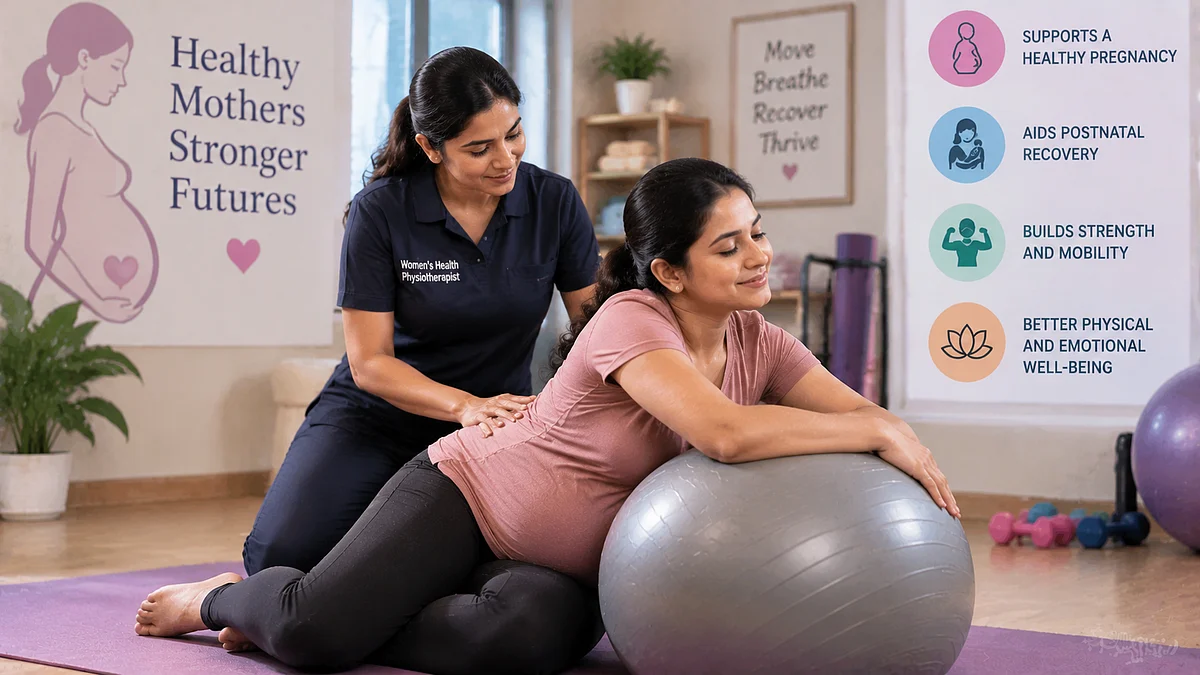
Pregnancy and childbirth trigger significant physical and emotional transformations for women, yet the emphasis frequently remains on the baby's welfare, leaving the mother's postnatal recovery in the shadows. Dr Sanjana Venkataraman, a women’s health physiotherapist who has been practicing for a year, contends that this needs to change.
In an exclusive interview with The Free Press Journal, Venkataraman highlighted the insufficient awareness surrounding postnatal physiotherapy, which she linked to the conservative perception of pregnancy and childbirth in India. "People tend to prioritize the child’s health over the mother’s," she explained, noting that many women and families are apprehensive about physical activity during pregnancy, fearing it could harm either the mother or the baby.
Venkataraman emphasized that the mother's health is often relegated to the background, with pregnancy sometimes viewed as a condition requiring restricted activities rather than a normal part of life. This, she attributed to misconceptions and insufficient education about physical activity during and after childbirth, compounded by modern sedentary lifestyles.
Venkataraman posited that physiotherapy should be integrated into the pregnancy journey, not just sought post-symptom manifestation. She advocates for women planning to conceive to consult a physiotherapist beforehand to assess their fitness levels and identify any conditions necessitating precautionary measures or modifications in their exercise routines.
Even for those expecting a caesarean section, early guidance can aid in preparing for the physical changes accompanying pregnancy and delivery. Venkataraman noted that physiotherapy's role extends beyond exercise, encompassing helping women adapt to the physical shifts during pregnancy and postpartum. She clarified that childbirth can result in lasting physical alterations, such as incontinence and an altered abdominal shape due to the stretching of abdominal muscles.
Commencing appropriate rehabilitation during pregnancy can facilitate women’s management of these changes and facilitate a smoother recovery, according to Venkataraman. Exercise should be customized to the stage of pregnancy and individual health conditions. During the first three months, women are advised to refrain from vigorous exercise, opting instead for calming activities, meditation, and relaxation exercises.
From the fourth or fifth month, those without complications may commence exercises under professional guidance. Venkataraman stressed that maintaining fitness can aid women in preparing for childbirth and coping with its subsequent physical challenges. She added that women aiming for a normal delivery could also benefit from appropriate preparation, contingent on their specific circumstances.
Postnatal recovery encompasses more than just physical recuperation. The physical and hormonal shifts during pregnancy and childbirth can impact a woman’s emotional well-being as well. Venkataraman highlighted that physiotherapy can assist women in regaining strength and resuming their routines. She believed that beginning fitness routines early could make the postnatal period more manageable.
After childbirth, the demands of caring for a newborn often leave mothers with limited time to initiate an exercise regimen. "If she starts early and tries to incorporate all the required fitness training, it will be easier for her to handle everything post-delivery," Venkataraman advised. Awareness remains a challenge within the physiotherapy field as well.
Venkataraman reported that, despite her specialization in women’s health, she encountered physiotherapists who were unaware of the existence of this specialized stream. She expressed surprise at the query, "Is there a stream like this in physiotherapy?" from physiotherapists themselves. Venkataraman surmised that women’s health physiotherapy has garnered less attention compared to fields like orthopaedic and neurological physiotherapy, resulting in limited awareness among both professionals and the public.
Moreover, there exists a perception that childbirth is an inevitable aspect of every woman’s life, thus negating the need for specialized support. Venkataraman insisted that this mindset must evolve. While awareness of women’s health physiotherapy has been increasing over the past three to four years, particularly in urban centers like Mumbai, Bengaluru, and Delhi, she noted that several other regions still lack awareness.
For Venkataraman, the more profound change lies in acknowledging the mother’s health as a crucial component of the pregnancy journey, rather than perceiving recovery as a concern that only surfaces after childbirth. Her counsel to new mothers is that postnatal physiotherapy can assist them in navigating the physical transformations accompanying pregnancy and delivery, enabling them to return to their daily activities.
Venkataraman firmly believes that women should ideally be prepared for these changes right from the onset of pregnancy.
Written by urgent.news from Free Press Journal's reporting — not their text. Machine-written — may contain errors; check the original before relying on it.