Pony.ai’s CEO thinks robotaxis will be widespread within five years: ‘The technology problem is pretty much already solved’
While Waymo dominates the robotaxi conversation in the U.S., Chinese robotaxi firms like Pony.ai are gaining ground almost everywhere else.
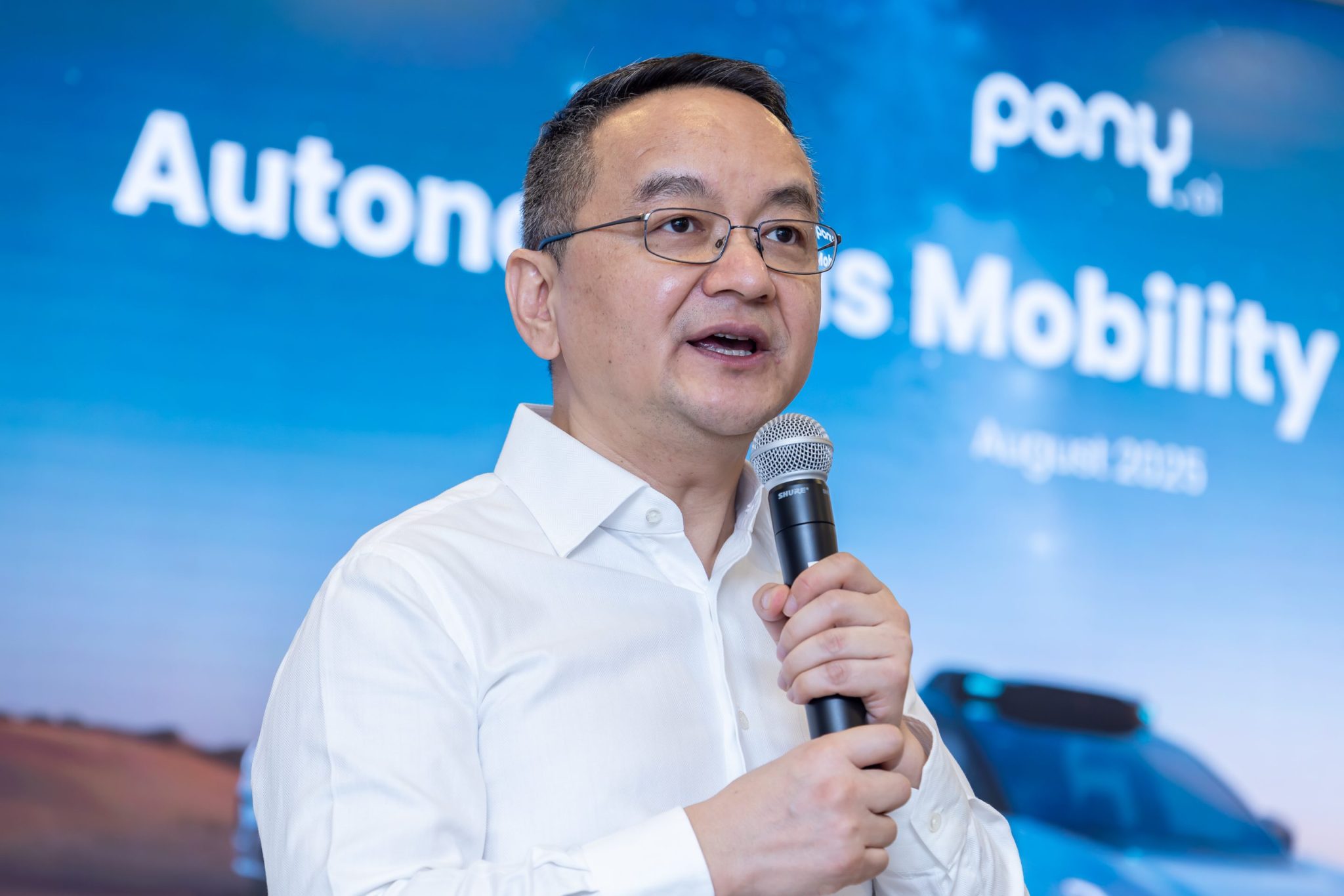
Pony.ai's CEO James Peng predicts robotaxis will become commonplace within five years, stating that the technology challenge is essentially resolved. At the Fortune Leaders Forum in Macau, Peng expressed his optimism, noting that robotaxis will be accessible like regular taxis. Currently operating in Beijing, Guangzhou, Shenzhen, and Shanghai, Pony.ai has established a presence in various cities worldwide.
In August, the company announced a collaboration with Uber to expand robotaxi services across Europe, aiming to deploy over 2,000 vehicles by leveraging the partnership and entering South Korea by 2028. Peng emphasized that cities with high taxi costs and regulatory flexibility are ideal for expansion. Partnerships with entities like Uber can bolster public confidence and garner governmental support.
Other players in the field, such as WeRide and Baidu, are also venturing internationally. Peng credited China's conducive regulatory framework as a significant factor in the country's advancements in autonomous driving, with the primary challenge being the intricate nature of the technology requiring diverse skills. Robotaxis could transform urban life by reducing the need for private cars and optimizing parking spaces, as most cars are only used for a couple of hours daily.
While Pony.ai reported a significant surge in revenue and a substantial operating loss in the second quarter, the company acknowledged changes in user behavior, such as passengers unintentionally leaving the car doors open, necessitating assistance from delivery services. Additionally, Peng observed that the proportion of female passengers using the service during nighttime increased, attributing this trend to the perceived safety, privacy, and consistency of robotaxis.
Written by urgent.news from Fortune's reporting — not their text. Machine-written — may contain errors; check the original before relying on it.