Polydactyl Cats: The Genetic Quirk Behind Their Extra Toes
Polydactyl cats stand out among the animal kingdom’s curiosities because they develop more toes than typical cats, most commonly on their front paws. The term itself comes from Greek roots meaning “many fingers,” and it describes cats whose paws display six or more digits instead of the standard count, giving them a genuinely distinctive appearance […]
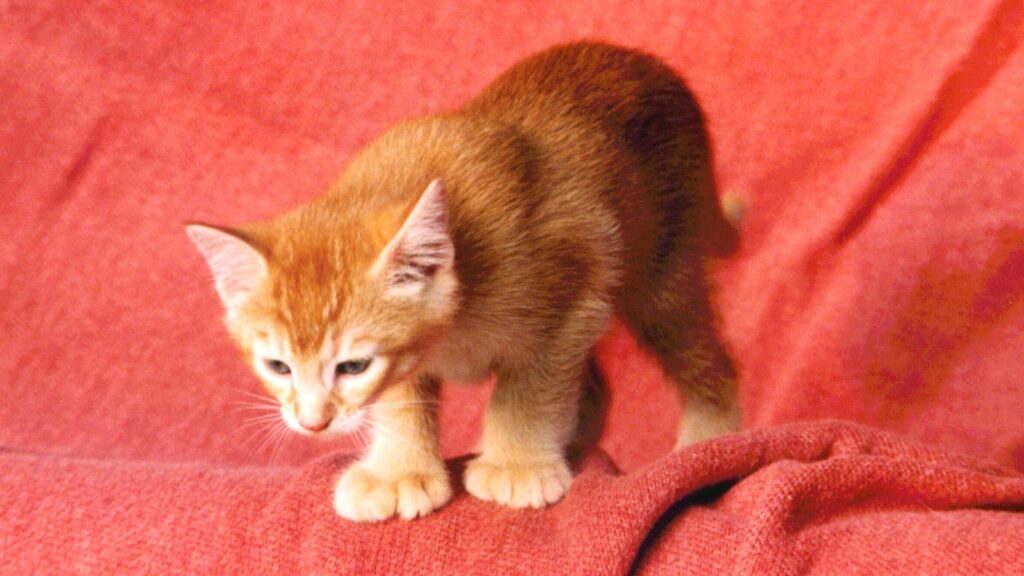
Polydactyl cats possess an extra set of toes due to a harmless genetic mutation that has intrigued scientists and pet enthusiasts alike throughout history. These cats, with their additional toes typically found on the front paws, exhibit a unique appearance stemming from a mutation classified as autosomal dominant. This means a single parent carrying the responsible gene is sufficient to pass the trait to their offspring.
The mutation's origin lies within the ZRS (zone of polarizing activity regulatory sequence) region of the LMBR1 gene, which typically governs the Sonic Hedgehog gene crucial for paw and toe development during fetal development. When the ZRS region carries a mutation, it hinders the signal instructing the developing paw about the number of toes to grow, leading to one or more additional digits near the normal dew claw location.
Despite the dominant nature of this trait, polydactyly isn't widespread in the general cat population. The mutation hasn't spread uniformly across all cats, leading to its presence in specific geographic areas. Notably, regions along North America’s east coast and in southwestern Great Britain exhibit higher concentrations of polydactyl cats.
Historical maritime trade likely contributed to the gene's concentration in these areas, as sailors historically valued these cats as good-luck charms and skilled rodent hunters on ships, attributing their stability on rocking decks to their extra toes. Consequently, polydactyl cats are more commonly found in coastal regions rather than distributed evenly across the broader feline population worldwide.
The connection between polydactyl cats and sailors persisted for centuries, as these cats became associated with good luck and effective rodent control onboard ships, particularly during long voyages. This reputation helped spread the trait through port cities and coastal trade routes. One notable figure who championed polydactyl cats was American author Ernest Hemingway.
In the 1930s, a ship’s captain gifted Hemingway a six-toed cat named Snow White, sparking his fascination and leading to a colony of polydactyl cats that still resides at the Hemingway Home and Museum in Key West, Florida to this day.
Identifying a polydactyl cat is relatively straightforward; a typical cat has eighteen toes in total—five on each front paw and four on each back paw. In contrast, a polydactyl cat displays six or more digits on at least one extremity, most frequently the front paws. The additional toe often appears along the inner side of the paw, resembling a human thumb and giving the cat the visual impression of wearing tiny mittens.
While this genetic trait is entirely benign and painless throughout the cat's life, it does require regular nail trimming to prevent the extra or adjacent toes from developing ingrown nails. Thus, a genetic anomaly that has fascinated scientists for generations translates into a distinctive appearance and a modest increase in grooming needs.
Written by urgent.news from Colombia One's reporting — not their text. Machine-written — may contain errors; check the original before relying on it.