‘Plastic pollution hotspots’ spawn a public health crisis across Latin America
Since China banned the import of plastic waste in 2018, plastic pollution has been having a growing impact on the people and ecosystems of Latin America. As the region imports an increasing amount of the world’s used and discarded plastic, new research shows that waste infrastructure in many countries is already buckling under the strain […]
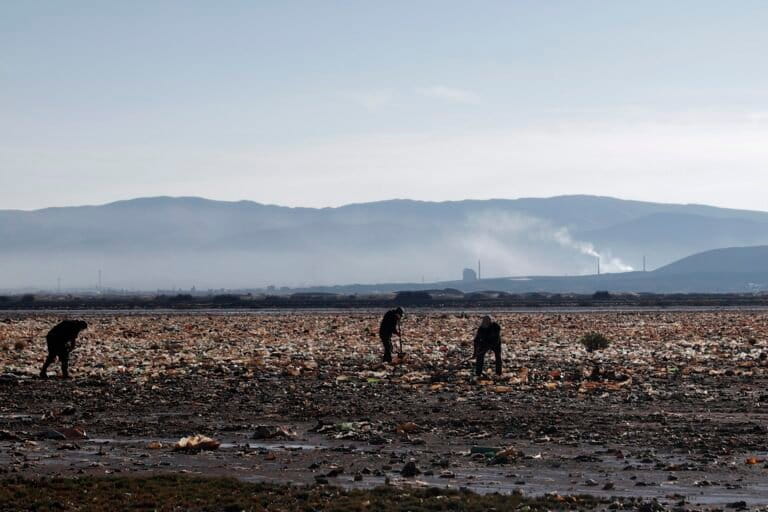
Since China halted the import of plastic waste in 2018, Latin America has faced growing consequences of plastic pollution on its people and ecosystems. As the region relies on importing a rising share of the world's discarded plastic, new research reveals that many countries' waste infrastructure is struggling to handle domestic trash.
Consequently, much of the imported plastic is leaking into the environment, with experts and the United Nations warning of severe health implications. A study published in April identified seven Latin American countries - the Dominican Republic, Guatemala, Honduras, Mexico, Nicaragua, Panama, and Paraguay - as plastic pollution hotspots or PPHs.
These areas experience high levels of imported low-quality plastic waste, coupled with poor waste management practices. According to a report by the Organisation for Economic Co-operation and Development (OECD), global plastic waste generation reached 353 million metric tons in 2019, with 72% ending up in landfills or dumps and only 9% being recycled.
Previously, China had been the primary destination for much of the world's plastic waste, but after implementing its import ban in 2018, many countries, including those in Latin America, began importing more plastic waste. Veronica Herrera, the lead author of the April study and an associate professor at the University of California's Luskin School of Public Affairs, notes that some Latin American countries are now importing more plastic waste than they can effectively manage.
Written by urgent.news from Mongabay's reporting — not their text. Machine-written — may contain errors; check the original before relying on it.