Peru’s monetary system would not work in Venezuela
As Venezuela's National Assembly debates how to kill the world's highest inflation rate, two economists argue that copying Peru would be a mistake.
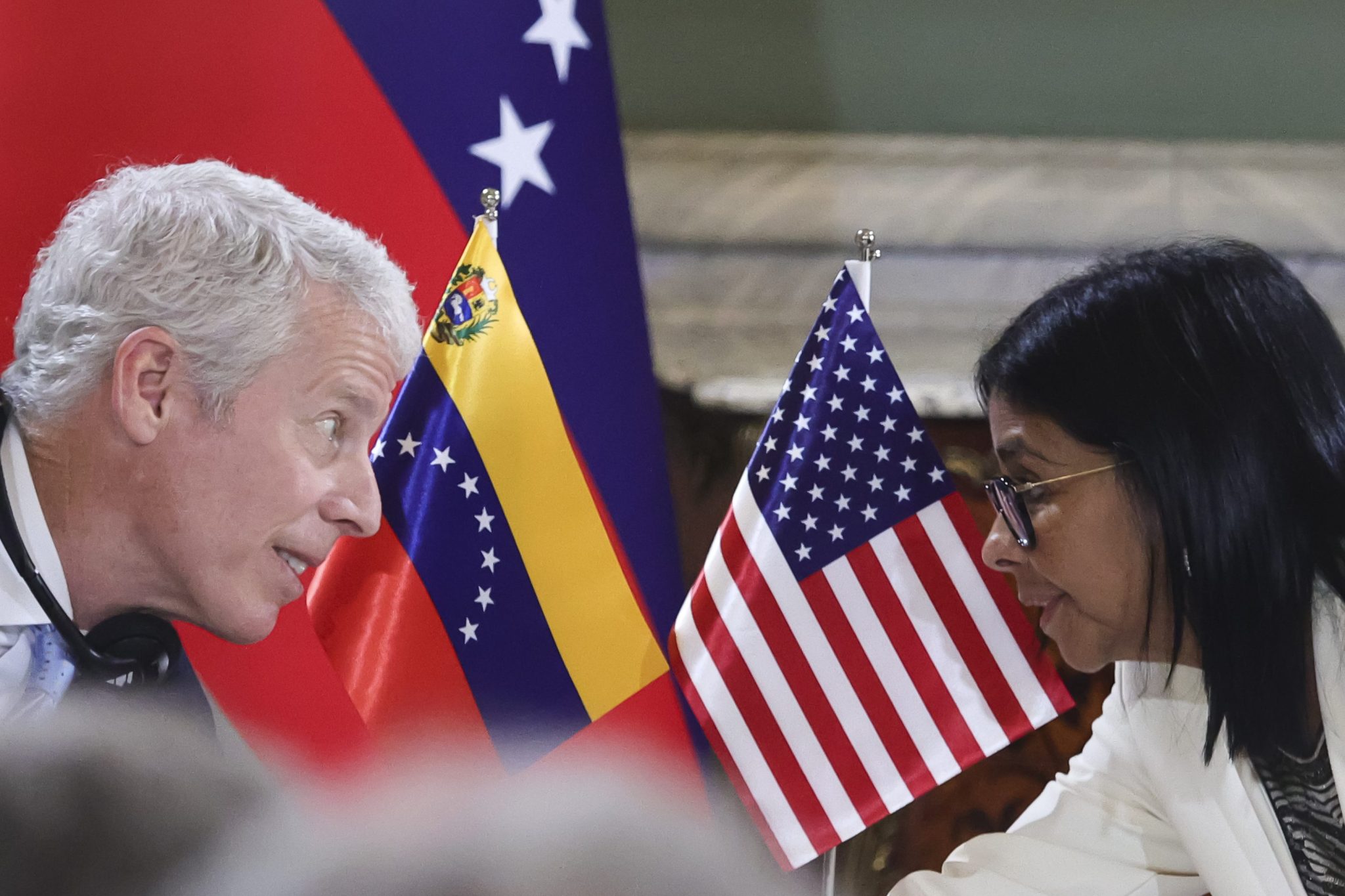
Venezuela struggles with the world's highest inflation rate and a currency that ranks as the worst performer globally. Due to this, some argue that adopting Peru's monetary system could bring relief. However, this suggestion is mistaken and potentially dangerous. Peru's system, implemented in 2002, has managed to maintain low inflation and economic stability.
It combines interest rate policy with extensive foreign exchange intervention, large precautionary reserves, and countercyclical reserve requirements. A unique aspect of Peru's system is its de facto dual monetary system, where the sol (Peruvian currency) is the legal tender, but citizens are constitutionally allowed to hold and use U.S. dollars.
The banking system also operates with both currencies. The success of Peru's system is attributed to a unique combination of local factors, including a well-managed central bank, professional technical staff, and technocratic continuity. However, the system's creation and legitimacy were influenced by a historical context that is difficult to replicate.
After Peru's hyperinflation in 1988 and 1990, and its subsequent economic collapse, Alberto Fujimori introduced a stabilization program in 1990. The decisive institutional break occurred in 1992 when he dissolved Congress and suspended the constitutional order. The current BCRP operational system was put in place in 2002, a process that took years to build credibility and achieve price stability.
Other factors, such as Peru's political history and the recent unpredictability of presidential terms, have also contributed to the stability of the country's monetary system. While Venezuela has debated adopting Peru's system, the political climate and institutional factors make it a risky and potentially ineffective solution.
Written by urgent.news from Fortune's reporting — not their text. Machine-written — may contain errors; check the original before relying on it.