Openness must not be sacrificed in US science and tech policy on China
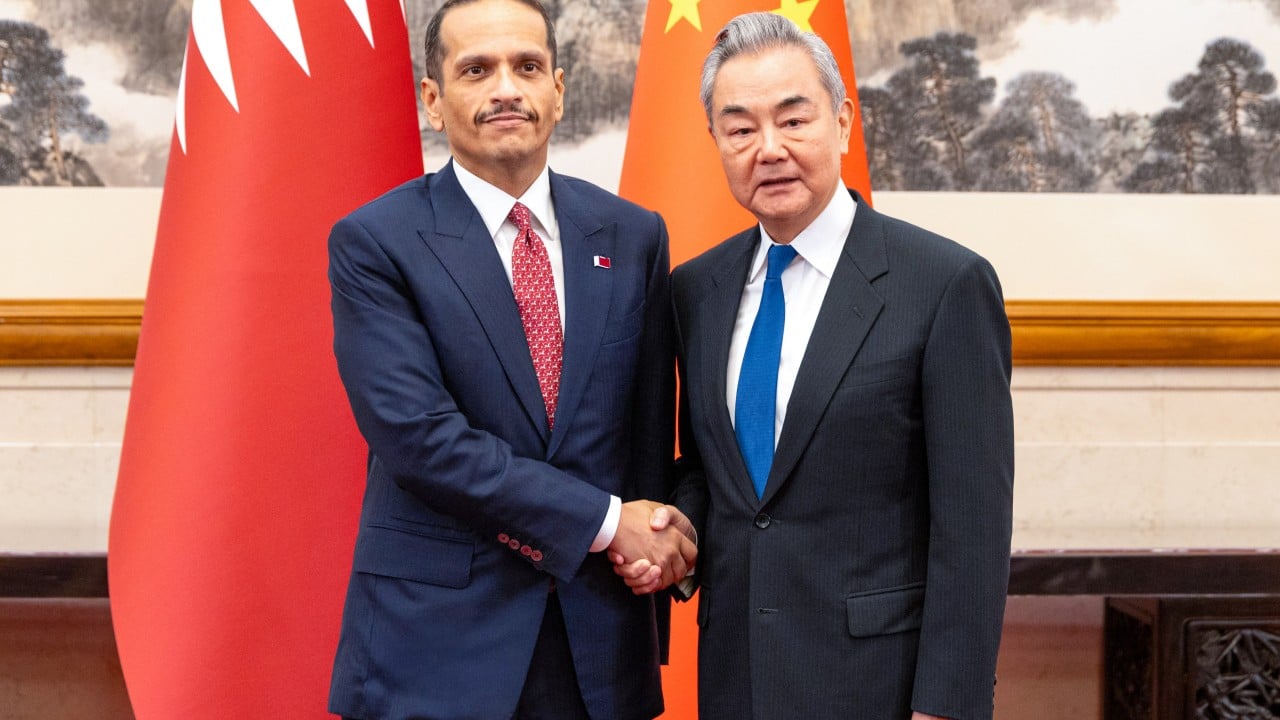
When President Xi Jinping arrives in Washington for his planned September 24 visit – his first state-level visit to Washington in more than a decade – artificial intelligence is expected to be near the top of the agenda. Both administrations are preparing for their first formal dialogue on AI. Washington has framed much of that conversation around the need for tighter controls on sensitive…
As President Xi Jinping prepares to arrive in Washington for a visit that may include discussions on artificial intelligence, US policymakers must consider how to balance security concerns with the benefits of open scientific collaboration with China. Rather than viewing engagement and security as mutually exclusive, the US should strive for disciplined risk management, rather than indiscriminate restriction.
While certain advanced technologies have clear military or intelligence applications, this does not mean every interaction with China carries the same level of danger. The key is to protect what truly matters, without sacrificing the openness that has long been a cornerstone of American scientific strength.
To achieve this, policymakers should recognize that not all technologies or Chinese institutions pose equal risks. For example, military-relevant quantum sensing should be treated differently than basic mathematical or astrophysical research. Additionally, researchers who conceal ties to defense laboratories should face consequences, but a disclosure failure alone should not be considered proof of illicit technology transfer.
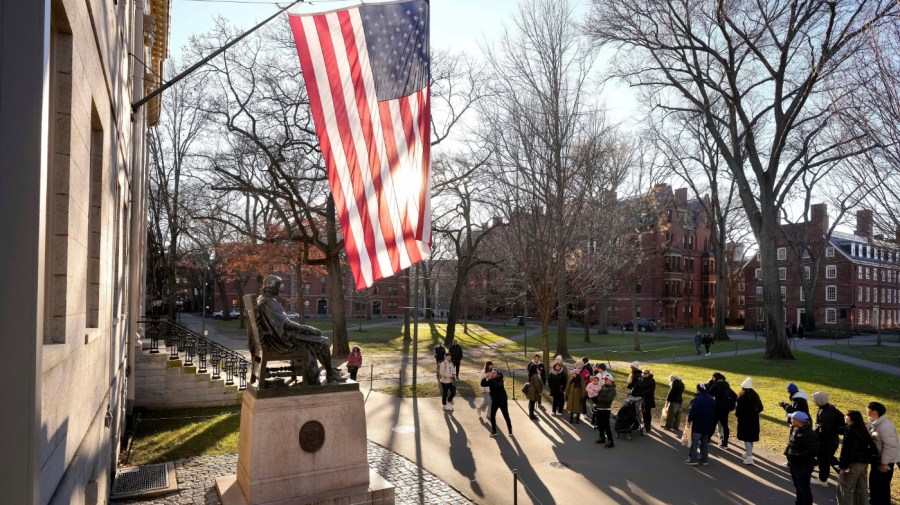
The US should view talented Chinese students and researchers as a strategic asset, rather than a liability.
However, the approach must be nuanced. The government should define critical technologies more narrowly, focusing on identifiable capabilities with plausible national security consequences, rather than applying blanket restrictions to broad categories like AI or biotechnology. A "small yard, high fence" strategy works best when the yard remains small.
The US should also establish a tiered framework for international research collaboration, with heightened scrutiny or outright prohibition for the most sensitive technologies and institutions closely tied to China's military and security apparatus. Dual-use research should proceed under disclosure rules, access controls, and institutional review, while fundamental research outside those categories should remain open.
In this approach, nationality-based screening should be abandoned. Visa and research-access decisions should be based on affiliations, research fields, access to controlled information, and disclosure records, not on citizenship or country of birth. While universities receiving federal funding should maintain robust research-security capabilities and conduct due diligence on sensitive collaborations, they should not be punished after the fact if government assessments shift.
Finally, the US should view foreign students who earn advanced degrees in science and engineering as a valuable national security asset, providing clearer pathways for them to stay in the country, subject to appropriate screening.
Written by urgent.news from Reuters Business via SCMP's reporting — not their text. Machine-written — may contain errors; check the original before relying on it.
This story
This is one outlet's version. Read the fullest account.