Oil importers less vulnerable to supply shocks than expected
“Diversification can go a long way in securing them against geo-economic bullying,” Barclays analysts wrote in a recent note.
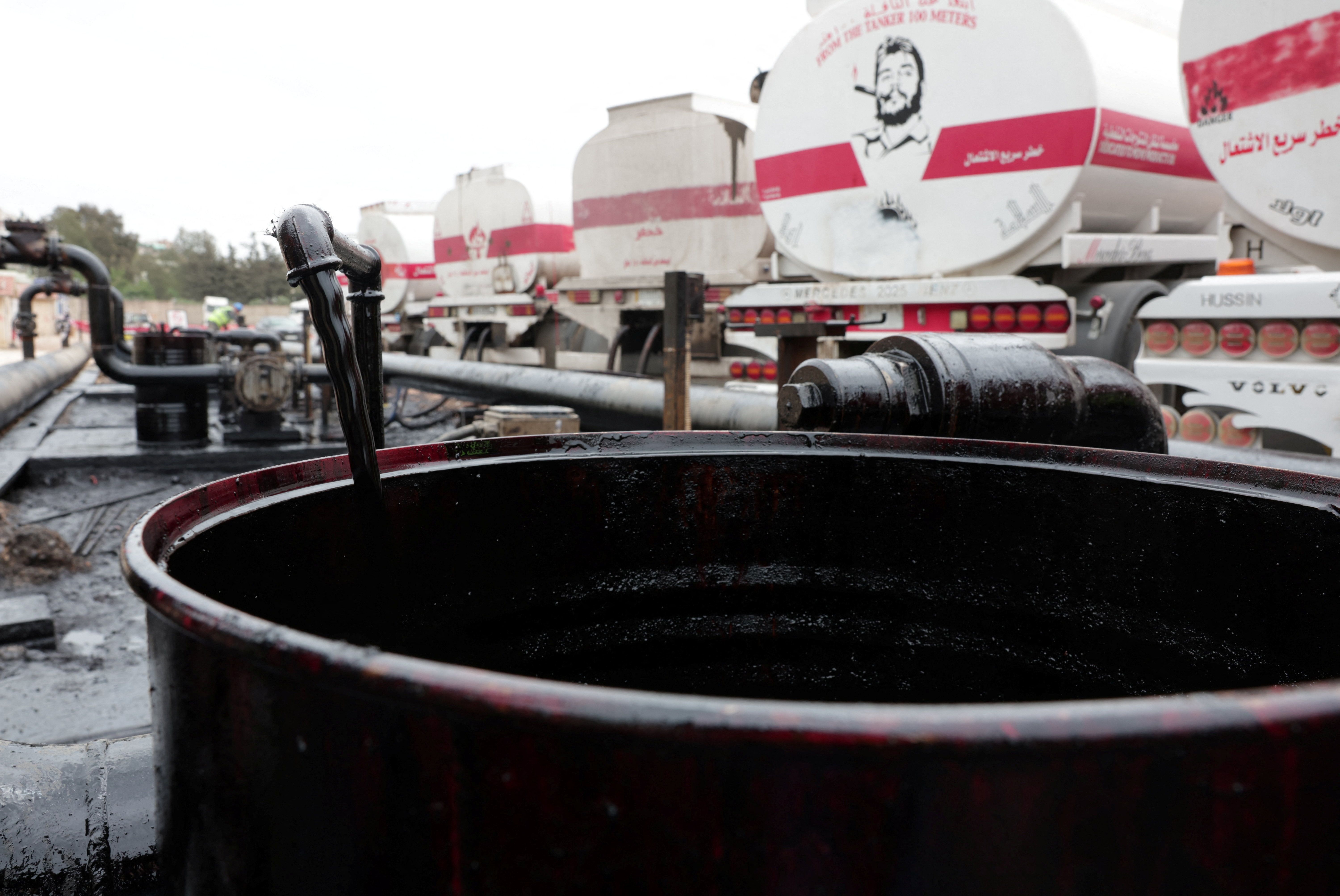
Recent events have shed light on the resilience of oil-importing nations, according to Barclays analysts. They argue that the maritime shipping lanes are not the most significant chokepoint in the global oil market, and instead, most oil-consuming countries appear to be less economically vulnerable to supply disruptions than initially thought. The primary takeaway from the ongoing conflict is the importance of diversification in securing protection against geo-economic coercion.
However, E3G, a research group, warns that a different aspect of the oil trade may pose a greater threat to global security. As global demand begins to decline, major oil exporters are experiencing a decline in state revenue. This reduction in revenue puts countries worldwide at risk of being caught off guard, as they have not yet adequately prepared or acknowledged the potential risks, the report concludes.
The report emphasizes that in the future oil landscape, the security architecture will play a crucial role in determining which producers can access shrinking markets, which trade routes remain insurable, which sanctions regimes hold sway, and how producer fragility is contained. Tim McDonnell provides this insight, bringing attention to the evolving dynamics of the oil trade and its implications for global security.
Written by urgent.news from Semafor's reporting — not their text. Machine-written — may contain errors; check the original before relying on it.