Oil extends climb after Iran threat to Gulf energy infrastructure
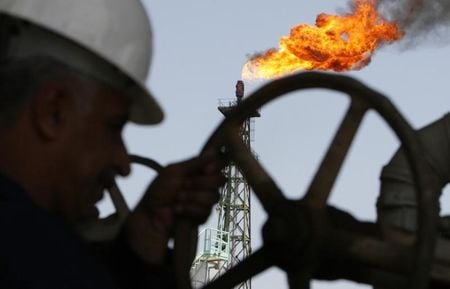
Oil prices continued to rise on Tuesday, with Brent crude surpassing $97 a barrel as investors assessed the potential impact of further disruption to Middle Eastern energy supplies following Iran's warning that the region's oil and gas infrastructure could become a target in retaliation for attacks on its assets. Brent Oil Futures had increased by around 0.1% to $97.20 a barrel, while U.S. West Texas Intermediate (WTI) crude futures rose by 1% to $92.38.
Brent settled approximately 1% higher on Monday after briefly reaching $98 per barrel in the previous session.
The recent gains followed a weekend of back-and-forth attacks between the United States and Iran, including strikes on shipping. Iranian officials have since cautioned that U.S. oil and gas interests, along with other energy infrastructure across the Gulf, are susceptible to retaliation. The oil and gas production chain in the region is expansive, easily accessible, and vulnerable to attack.
American oil and gas companies operating in these waters and facilities share this exposure, according to Iranian Parliament Speaker Mohammad Baqer Qalibaf.
Striking Iran's assets would result in retaliatory action, he added. The Strait of Hormuz remains the primary concern for oil markets. Iran has indicated its intention to establish a restricted zone in the Gulf and create an alternative shipping route, raising concerns that stricter maritime controls could further hinder tanker traffic through the crucial waterway.
However, diplomatic progress has provided some relief to the price rally. Iran reportedly stated that a deal with Oman regarding the Strait of Hormuz was nearing completion, potentially offering a means to alleviate shipping disruptions. Nonetheless, markets remain doubtful that diplomacy will swiftly resolve the broader U.S.-Iran conflict.
The ongoing tension has already driven Brent prices up by 8% last week, with WTI increasing nearly 10%.
Written by urgent.news from Investing.com's reporting — not their text. Machine-written — may contain errors; check the original before relying on it.