Neues Android-Feature: Punkte auf dem Display: Google hilft Reisekranken
Vergessen Sie Drittanbieter-Apps: Es gibt nun eine hauseigene Android-Lösung gegen Übelkeit beim Reisen. Wie Bubbles helfen, was Nutzer alles einstellen können - und wer schneller war als Google.
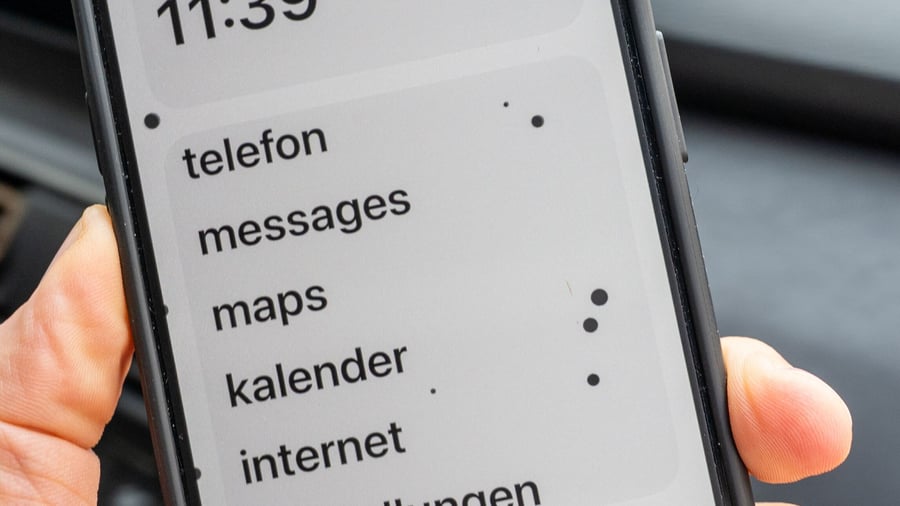
Many travelers suffer from motion sickness, also known as travel sickness or kinetosis. The main cause of this condition is the various, often unexpected movements experienced in vehicles, especially when reading on smartphones or tablets without looking outside. Google has introduced a new Android feature called Motion Assist for devices with Android 17, starting with Pixel smartphones.
Visual movement compensation points appear on the screen edges as faintly colored bubbles that move slightly in the direction the vehicle is traveling. This subtle information helps the brain understand the direction of movement and can prevent the onset of motion sickness. Users can enable the feature automatically when the device detects a journey or add it to the quick settings.
Additionally, the form, color, and opacity of the points can be customized individually. Apple users have had this feature for some time, as it was introduced in iOS 18 in 2024. Apple's feature sits in the settings under “Accessibility/Motion/Vehicle movement cues” and offers automatic activation and quick access through the Control Center. The Android feature can be found under Google Services or Google settings.
Written by urgent.news from Handelsblatt's reporting — not their text. Machine-written — may contain errors; check the original before relying on it.