Nepal floods demand a new disaster compact for the Himalayas
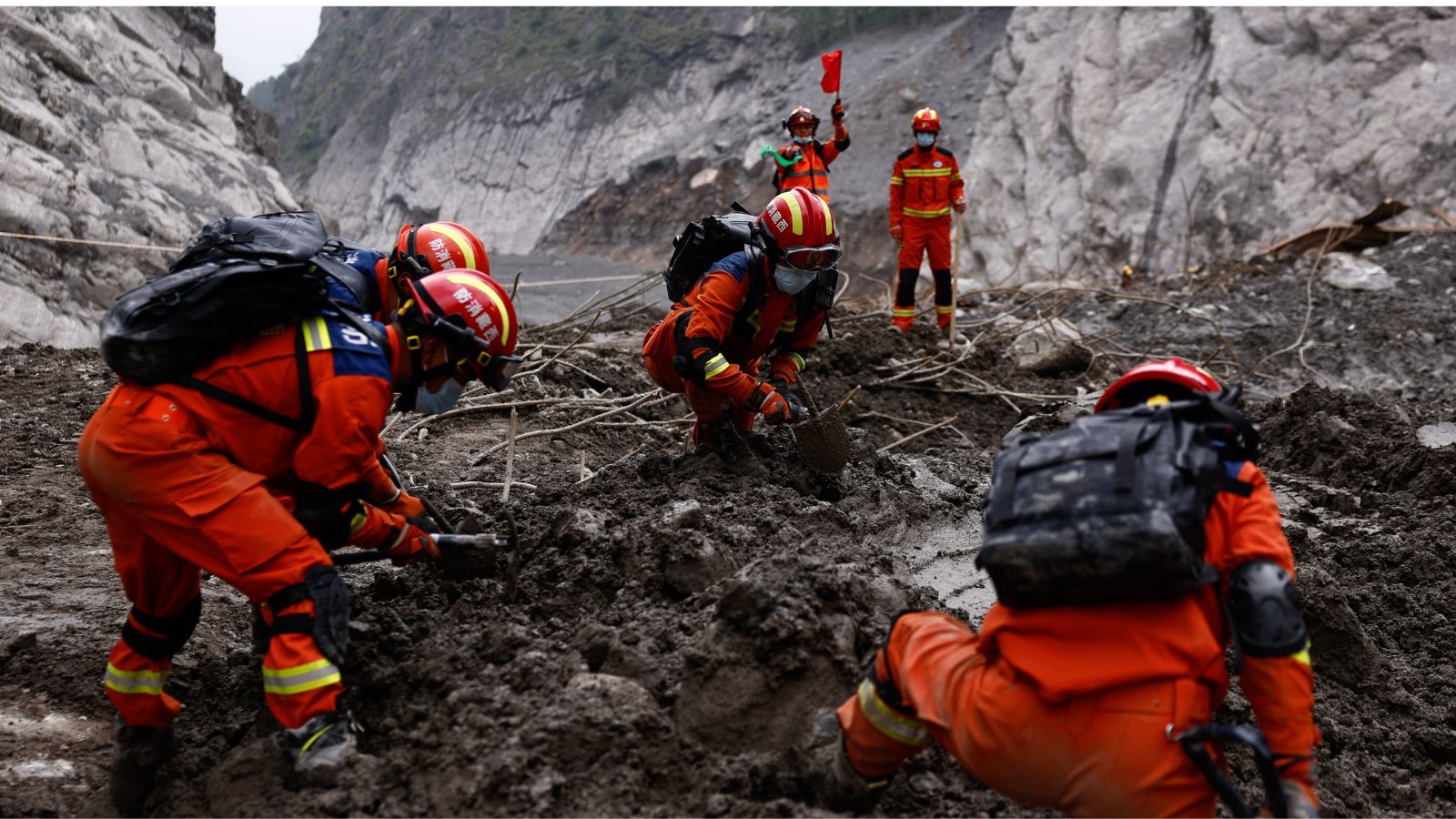
The recent floods in Nepal have escalated beyond a national disaster to become a warning for the entire Himalayan region and mountain areas worldwide. On August 26, a glacier collapse near the Nepal-Tibet border triggered a catastrophic torrent of ice, rock, mud, and water through interconnected river valleys. This event demonstrated how a mountain phenomenon can rapidly transform into a crisis far downstream, affecting roads, bridges, hydropower facilities, and health infrastructure.
The immediate question often posed is what triggered the flood; however, scientists need to investigate the underlying causes, such as glacier instability, climate change, geomorphology, and cascading river processes. More importantly, understanding why a hazard becomes a catastrophe and who is responsible for mitigating the conditions that escalate environmental changes into mass loss is crucial for disaster research.
This question extends far beyond Nepal, as mountains globally store snow and ice, supply major rivers, and support numerous societies beyond their slopes. Warming in the Himalayas, Andes, Alps, and Rocky Mountains is altering glaciers, snowpack, permafrost, and water flows, leading to cascading social, economic, and health crises downstream.
The author, an expert in disaster policy and field researcher among affected communities in Nepal, emphasizes the need for a new disaster compact for the Himalayas. Fieldwork with flood-affected communities in Kharapani, Pokhara Valley, revealed that people experienced a long relational disaster, including loss of relatives, homes, livestock, businesses, grief, disrupted livelihoods, and frustration with institutions.
Communities desired functioning warnings, local flood-information centers, communication technologies, rescue equipment, and preparedness training. This sentiment reflects the broader mountain region: a warning that fails to reach or be trusted by people, disconnected from evacuation and response plans, cannot offer meaningful protection.
The author argues that community leadership should not imply transferring responsibility to vulnerable populations; instead, it should be matched with the responsibilities of governments, scientists, institutions, private sectors, and international bodies. Five key responsibilities for urgent attention are transboundary monitoring and data sharing, community-centered warnings, permanent public preparedness, ecosystem-sensitive mountain development, and international climate responsibility.
India, in particular, has a stake in Nepal's catastrophe, as Himalayan rivers connect countries ecologically, economically, and politically. A new Himalayan disaster compact should link science with responsibility, facilitating upstream monitoring with downstream communities, integrating technology with local leadership, aligning infrastructure with ecosystems, ensuring long-term recovery, and maintaining accountability.
The ultimate measure of preparedness is not merely the ability to foresee the next hazard but whether knowledge reaches people in time, communities have the authority and resources to act, and institutions remain accountable beyond the initial crisis.
Written by urgent.news from The Indian Express's reporting — not their text. Machine-written — may contain errors; check the original before relying on it.