Nearly 25 years after 9/11, here’s how terrorist attacks transformed airport security and the way Americans fly
From reinforced cockpit doors to liquid limits and body scanners, today’s airport security was built layer by layer after attacks.
Nearly two and a half decades have passed since the attacks of September 11, 2001, and the way Americans fly today is vastly different from what it was before. In the aftermath of that tragic day, considerable changes were made to airport security and the procedures that passengers have to follow when boarding a commercial flight.
Before these changes, security screening was conducted by private contractors hired by airlines, and there were no restrictions on the size or number of personal items that could be carried aboard. Friends and relatives could easily accompany departing passengers, and they could even exchange hugs at the boarding gate. The attacks of 9/11 exposed new vulnerabilities and prompted a series of policy changes aimed at improving aviation security.
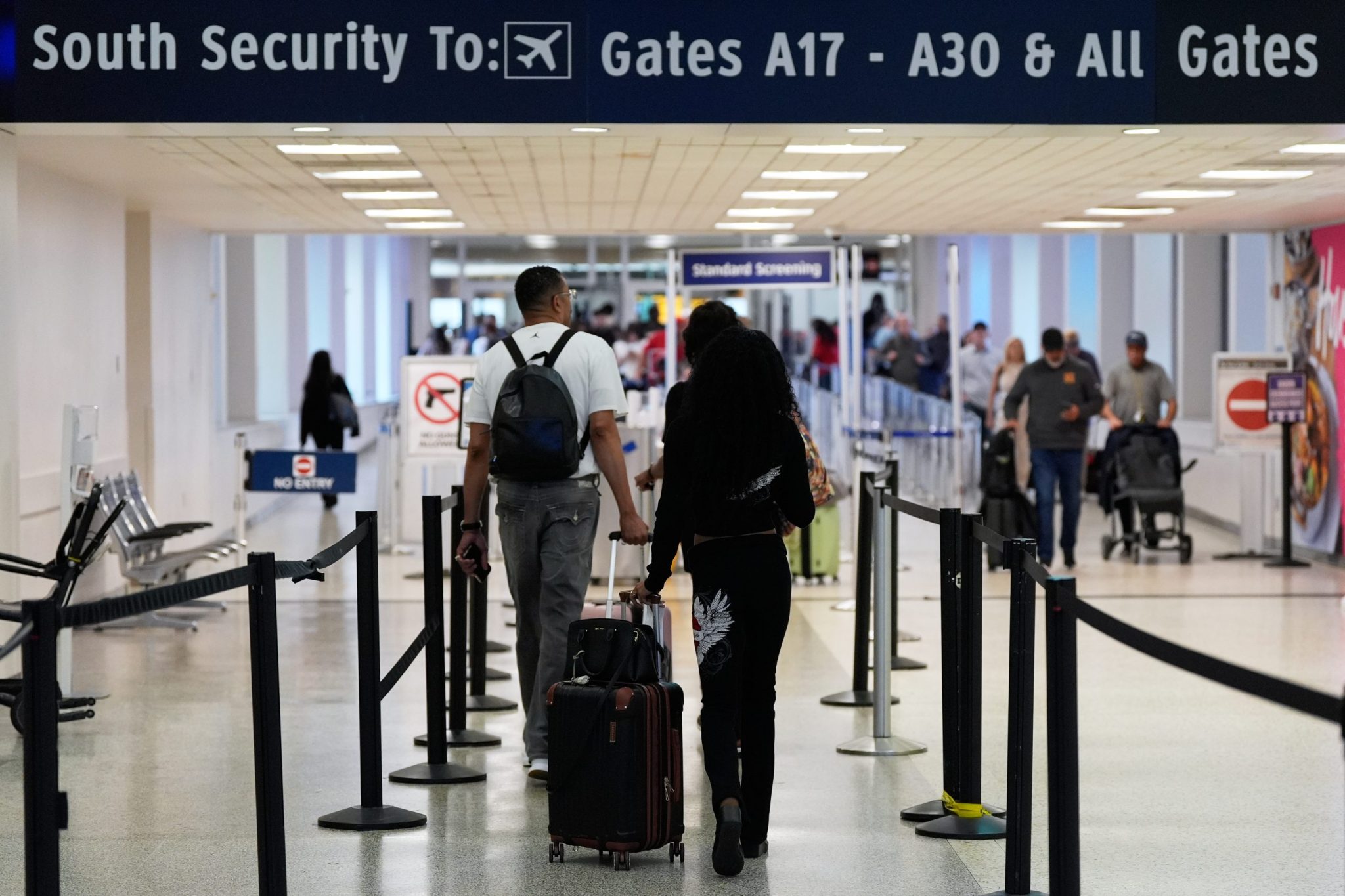
Since then, travelers passing through security checkpoints have faced a more comprehensive process. Federal screening has been implemented, and carry-on bags are thoroughly inspected for prohibited items. Full-sized bottles of shampoo, shaving cream, and other liquids are no longer allowed, as these items were often used in the attack on Pan Am Flight 103. Friends and relatives are no longer able to accompany passengers onto the plane, as boarding has become a more restricted process.
The changes to airport security and procedures were built gradually, often in response to new attacks or attempted attacks that exposed vulnerabilities in the system. As aviation remains the primary means of connecting people and places worldwide, attacks on this mode of transportation have significant consequences. Mary Schiavo, an aviation disaster attorney, commented that "attacks on aviation have an impact much greater than attacks on anything else because aviation commands the attention of the world as the thing that links the world."
Mary Schiavo's insights emphasize the importance of the events of September 11, 2001, and how they transformed the way we fly today.
Written by urgent.news from Fortune's reporting — not their text. Machine-written — may contain errors; check the original before relying on it.