My 'healthy diet' goes out the window after a ride, does it matter and how can I avoid post-ride overeating?
In our ‘Ask a Cycling Coach’ series, Andy Turner tackles a very common problem that can have greater consequences than most cyclists realise
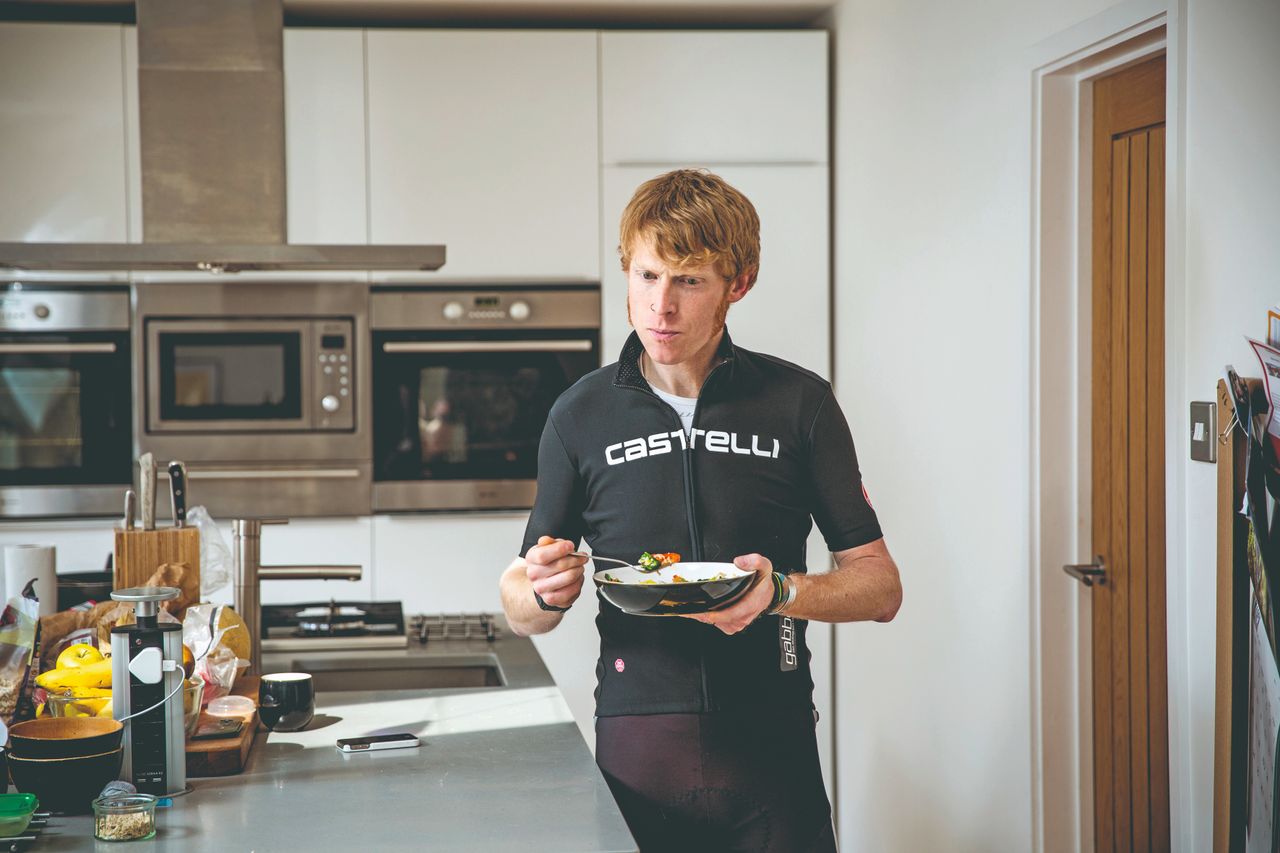
Riders often fall into the trap of overeating after a rigorous cycling session, despite maintaining a strict diet to improve their power-to-weight ratio. This tendency is usually due to insufficient fueling before or during the ride, or inadequate post-ride nutrition. To understand why, it's essential to consider some fundamental aspects.
When cycling, energy is consumed, with power output determining the effort required, while heart rate provides insight into the internal work done. Training devices reveal the energy expenditure during a session, while heart rate indicates the fuel sources used. At lower intensities, fats are the primary fuel, while carbohydrates become more prominent at higher intensities.
Post-ride recovery also demands higher energy consumption, particularly at higher intensities. Riders frequently misjudge the required carbohydrate intake, leading to a deficit that must be compensated for later. The ideal consumption ranges from 60-120 grams per hour, depending on intensity and conditioning, equating to 2-4 energy gels or 3-6 small bananas.
This amount may seem excessive, but riders often underestimate their needs. Planning and practice are necessary to adapt to this volume, especially for smaller riders needing to ingest more calories. During the ride, the recommended fuel volume varies according to intensity. Low-intensity rides require 40-60g of carbohydrates per hour, preferably glucose, while tempo rides need 60-90g, with a combination of glucose and fructose for optimal absorption.
High-intensity rides demand 90-120g, with a 1:0.8 glucose to fructose ratio. Post-ride, a standard guideline suggests consuming 20-30g of protein along with 80-120g of carbs for longer or more intense sessions, maintaining a 1:4 protein-to-carb ratio. An omelette with five eggs and 100-150g of dried white rice or three eggs, a can of beans, and three slices of toast are examples of post-ride meals.
Although consuming carbohydrates after exercise seems unappealing, it's crucial for replenishing muscle glycogen stores and avoiding fat storage. Proper fueling ensures better performance during the session, enhances recovery for future sessions, and reduces late-night cravings for sugar or processed foods, ultimately contributing to improved body composition and mood.
Written by urgent.news from Cycling Weekly's reporting — not their text. Machine-written — may contain errors; check the original before relying on it.