Luftfahrt: Fesseln erlaubt? Was Airlines bei Problempassagieren dürfen
Wenn ein Passagier an Bord randaliert oder schon vor dem Abheben auffällig ist, gibt es verschiedene Ansätze für die Crew. Das letzte Wort hat der Kapitän.
Passenger misbehavior on flights can lead to various measures being taken by airline crews. According to the German Aviation Association (BDL), crew members are trained to handle situations involving intoxicated, abusive, or unruly passengers. The first step is always to try to de-escalate the situation through conversation. If verbal intervention is insufficient and passenger safety is threatened, the crew can take further action.
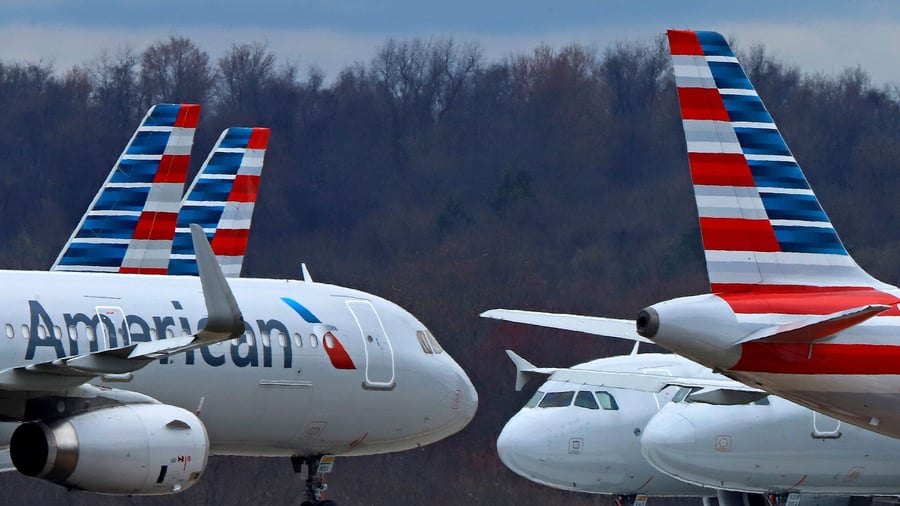
In rare cases, aggressive passengers have been physically restrained, such as on an American Airlines flight where a disruptive passenger was immobilized using adhesive bandage, as seen in images and videos circulating online.
However, the specific implementation of these measures varies among airlines. For instance, American Airlines uses adhesive bandages as part of their restraint kits, while other airlines may avoid using bandages due to concerns about potential complications during evacuation. Instead, they might resort to cable binders or handcuffs.
Ultimately, the decision on how to handle a problematic passenger rests with the captain, who is responsible for ensuring a safe flight. The German Air Safety Law permits the use of physical restraint if it is deemed necessary to prevent the passenger from attacking crew members, other passengers, or damaging property. While bodily harm can also be justified, this option is only considered when other means of restraint are ineffective or impractical.
Internationally, the Tokyo Convention of 1963 serves as the global basis for the authority of pilots to take necessary measures, including physical interventions, to maintain safety and order on board. Germany ratified this agreement, allowing the crew to employ appropriate measures, including restraints, to ensure passenger and crew safety.
The captain also has the discretion to refuse boarding to a passenger if they deem them a threat due to excessive intoxication or aggressive behavior. Passengers who misbehave and are denied boarding will not receive their ticket refunds, and they will need to cover additional costs, such as purchasing a new ticket or missing connecting flights.
In-flight situations requiring the captain to alter the flight plan due to unruly passengers can lead to significant expenses for the airline. For example, an incident involving American Airlines, where a flight from Dallas to Newark was diverted to Baltimore due to an unruly passenger, may have resulted in the airline seeking compensation for the additional costs incurred during an unscheduled landing.
Similarly, a Dublin court ordered budget airline Ryanair to pay around €15,000 in damages to a passenger who had attacked other passengers and the crew, necessitating an unexpected layover in Porto, Portugal.
Written by urgent.news from Handelsblatt's reporting — not their text. Machine-written — may contain errors; check the original before relying on it.