Let the Robots Try Medicine
It’s time for human doctors to get serious about AI.
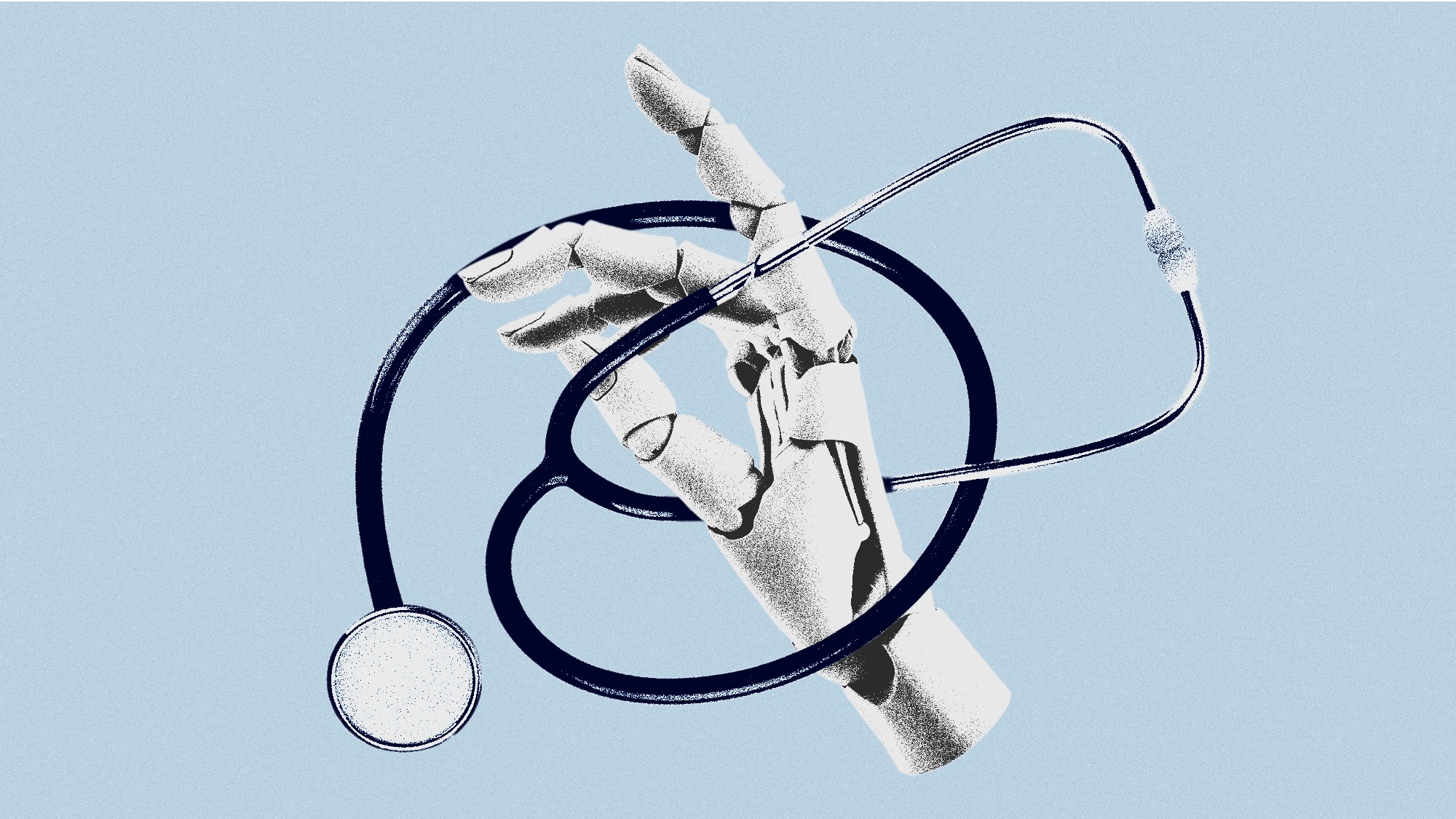
For years, individuals have posed questions to ChatGPT, such as "Could that little spot on my toe be cancer?" As AI technology has evolved over the past few years, healthcare professionals have started utilizing specialized models to address similar inquiries in clinics. However, professional medical organizations firmly maintain that doctors must retain ultimate control over clinical care.
In light of these advancements, some argue that incorporating AI tools into medicine could lead to improved patient outcomes. (Khosla, one of the authors, has invested in a primary-care startup, co-founded by his son, where doctors oversee AI assistants.) Nevertheless, the idea of allowing AI to take the lead in healthcare has sparked controversy within the medical community.
When the authors published a commentary in the Journal of the American Medical Association (JAMA) suggesting that AI-only care may soon surpass care provided by human physicians, the American Medical Association (AMA) CEO criticized them for potentially undermining the patient-doctor relationship. The AMA firmly believes that AI should only serve as a supporting role in clinical care. Critics argue that this stance ignores existing evidence and could prevent numerous Americans from experiencing better health.
Modern medicine encompasses numerous algorithmic processes, including managing hypertension, determining suitable cancer treatments, and addressing chemotherapy side effects. While doctors strive to follow detailed guidelines from professional societies, they occasionally make errors. Studies suggest that up to 15 percent of American patients are misdiagnosed annually, resulting in tens of thousands of preventable deaths.
To address this issue, some healthcare providers employ software that alerts them if they, for instance, prescribe a lethal dosage of a drug. Ideally, software that could practice medicine autonomously would be similarly specialized, trained in medical knowledge with appropriate safeguards to minimize risks and errors.
Such a model could ensure drug interactions are checked with greater consistency and comprehensiveness than human physicians. Moreover, it would be capable of checking in with patients more frequently than human healthcare providers. AI models have already demonstrated their proficiency in specific tasks. A study published last year found that Google's Articulate Medical Intelligence Explorer—a highly trained AI model for medical diagnosis and reasoning—outperformed human doctors in engaging simulated patients.
These "patients" disclosed more about their complaints, medical, family, and medication history, all of which are crucial for accurate diagnosis.
A 2023 study randomized patients with type 2 diabetes to receive insulin dose adjustments either from physicians or autonomous AI. The machines identified a stable insulin dosage for patients faster than human doctors, and their patients adhered to insulin therapy more reliably, experiencing less distress related to their diabetes.
However, research on physician-AI hybrids, which medical associations endorse, is limited, and further investigation is required. A 2025 review of 52 studies concluded that physician-AI hybrids neither outperformed AI alone nor surpassed human clinicians on average. In some instances, hybrid teams outperformed AI systems alone. However, in those hybrid teams, the AI made the final clinical decisions, which contradicts the views of the AMA and other organizations.
Medical organizations have expressed reservations about embracing AI-driven care. For instance, the American College of Physicians published a position paper acknowledging that fully autonomous AI could be viable, but cautioned that its usage should be infrequent and confined to low-risk, low-complexity decisions. John Whyte, the CEO of the AMA, expressed disappointment in the quality of the analysis in the JAMA commentary, questioning the design of the studies reviewed.
Most studies involved simulated situations with actors or retrospective reviews of existing cases, rather than real clinical outcomes and follow-up over years or decades.
While critics question the need for longer-term, real-world studies, proponents argue that some experiments already provide evidence to support AI-driven medicine. Some skeptics also argue that robots may lack the human connection patients seek to establish trust. While it's true that doctors can appear robotic during brief 15-minute appointments, this concern should not overshadow potential benefits of AI-driven healthcare.
Written by urgent.news from The Atlantic's reporting — not their text. Machine-written — may contain errors; check the original before relying on it.