Kinas milliarder på Oslo Børs: – Viktig å følge med på
Kina eide aksjer for milliarder i Norges største selskaper. Ekspert mener det kan ha en «politisk…
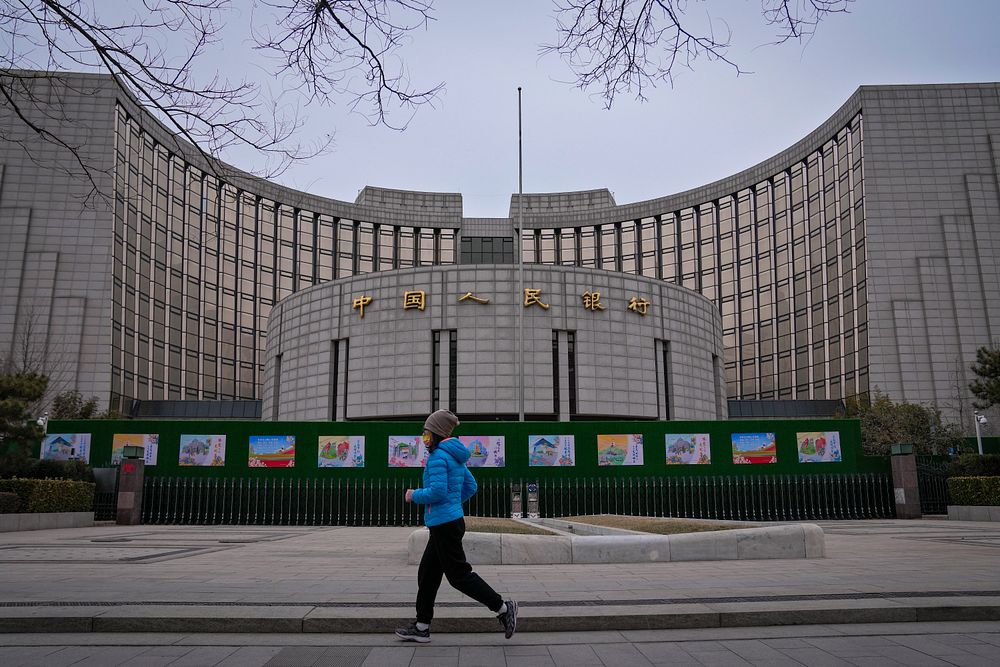
The Chinese Central Bank (PBoC) has held shares in eight of the ten largest companies on Oslo Børs over the past year. In February, the PBoC was one of Equinor's six largest shareholders, with an investment valued at nearly three billion kroner. Despite the substantial amounts, the individual ownership stakes are relatively small.
For instance, the largest share in the industrial conglomerate Yara was 0.7 percent in December of the previous year. The Norwegian Police Security Service (PST) has previously warned that countries like China could pose national security risks through investments in companies. According to Morten Andersen, a researcher who has studied Chinese investments, these findings are politically relevant, but they do not directly prove any potential security risks.
Experts believe that Chinese ownership of major Oslo Børs stocks may represent portfolio investments aimed at generating financial returns without the need for controlling the company or influencing its operations. Recently, new regulations require listed companies to disclose the full list of shareholders before their annual general meeting, including information about those holding shares through a custodian.
This makes it easier to identify the true owners of stocks. Andersen notes, however, that the Chinese investment stakes in Norwegian giants are relatively minor and unlikely to exert significant influence. Most investments in this context are considered legitimate. The PST has previously cautioned that the Chinese Central Bank's involvement in such investments could have political dimensions, given the differing perceptions of public and private ownership in China compared to Norway.
While a small share may not be immediately concerning, increasing ownership stakes or a pattern over time, especially when combined with other forms of influence attempts, merit monitoring. Andersen highlights that the Chinese Central Bank's relationship with China is more politically intertwined than is typical for Western central banks like the Norges Bank or the Federal Reserve.
The central bank's policies are closely linked to political authorities. Although a small ownership stake may not be immediately alarming, a growing trend or pattern, along with potential attempts to exert influence through other means, should be closely followed. Andersen emphasizes that the relationship with China encompasses both economic and security considerations, warranting attention to capital flows from China.
Written by urgent.news from E24 Norway's reporting — not their text. Machine-written — may contain errors; check the original before relying on it.