Iran Threatens to Target U.S. Energy Assets in Gulf If U.S. Strikes Again
The warning comes as Washington has dealt heavy economic blows to Iran amid renewed hostilities.
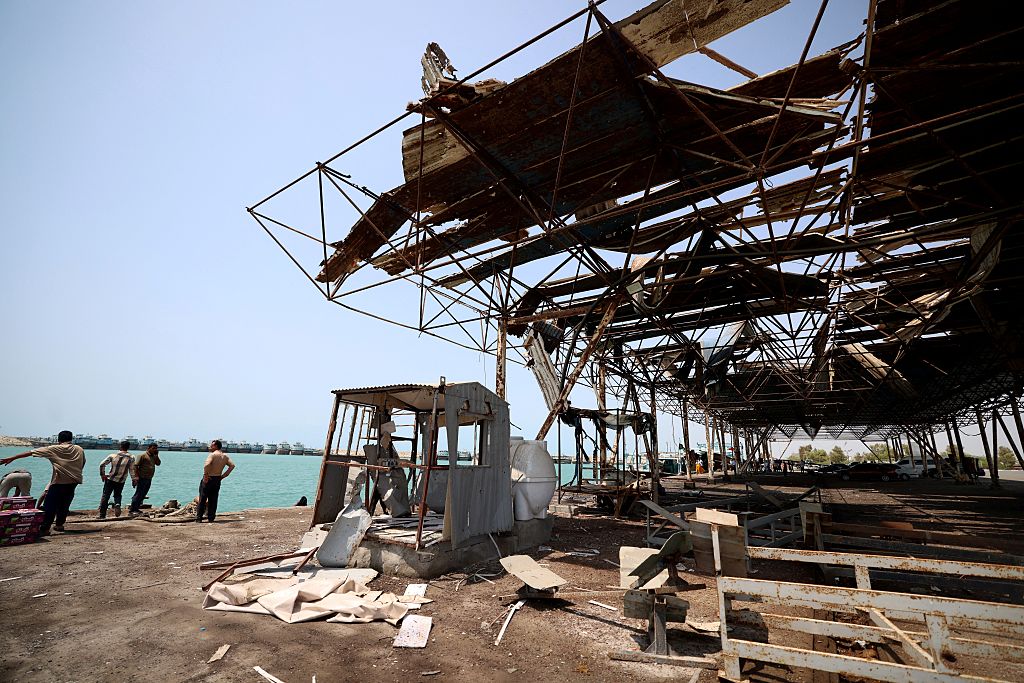
Iran has threatened to target U.S. energy assets in the Gulf if the United States launches any further attacks on its facilities, according to a statement from Iranian Parliament Speaker Mohammad Bagher Ghalibaf. The warning comes as Tehran seeks greater leverage amid ongoing economic pressure from Washington and stalled negotiations to end the conflict that began on February 28.
Iran's Supreme National Security Council Secretary, Moheen Rezaei, announced plans for a new "exclusion zone" in the Persian Gulf and Gulf of Oman, which would extend from the blockade line to the Strait of Hormuz and into the Persian Gulf. Vessels entering the zone would be placed on an Iranian sanctions list. The latest escalation began on Saturday when Iran's Islamic Revolutionary Guard Corps (IRGC) attacked U.S. warships in the region, prompting a retaliatory strike by the U.S. against three Iranian oil tankers.
Oil prices surged to near six-week highs as commercial traffic through the Strait of Hormuz has plummeted, with the conflict disrupting a fifth of global oil and liquefied natural gas shipments. Diplomatic efforts between the U.S. and Iran have been unsuccessful, with negotiations at a standstill since the Memorandum of Understanding (MOU) signed on June 17.
The U.S. demands significant restrictions on Iran's nuclear program and unrestricted passage through the Strait, while Iran is seeking sanctions relief, access to frozen assets, and a role in managing the Strait. Hard-liners in Iran are resistant to compromise on these demands, and Iran may believe it has time to weather the economic and military pressure in the hopes that rising energy prices will eventually prove too costly for the U.S. Trump Administration.
Meanwhile, Iran is exploring new tactics, including the establishment of a restricted zone to intensify global economic pressure and force an end to the naval blockade.
Written by urgent.news from Time's reporting — not their text. Machine-written — may contain errors; check the original before relying on it.