Indian govt should reduce ethanol blending to E15 on supply constraint, says ICRIER
Centre should allow the reduction when ethanol availability is insufficient, it says in a study titled ‘Food vs Fuel: Recalibrating India’s Ethanol Blending Strategy’
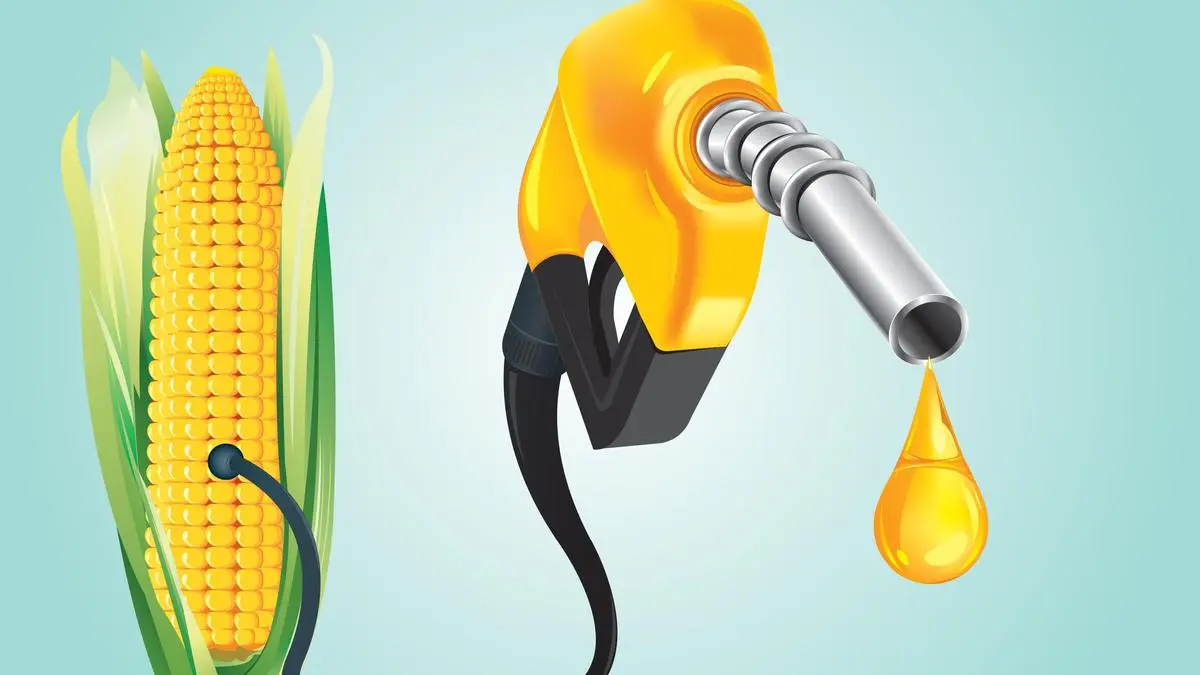
The Union government's Ethanol Blended Petrol (EBP) programme has faced criticism from India’s Council for Research in International Economic Relations (ICRIER). The policy think-tank argues that the government should consider temporarily reducing the ethanol blend to E15, instead of maintaining the ambitious E20 target, if domestic ethanol availability is insufficient.
In a research paper titled “Food vs Fuel: Recalibrating India’s Ethanol Blending Strategy,” ICRIER recommends a well-to-tank assessment of sugarcane, maize, and rice, taking into account their energy, environmental, and economic costs. The authors propose reforming input subsidies and giving ethanol producers more flexibility in choosing feedstocks based on market costs.
The ICRIER study suggests that India can still aim for the E20 target long-term, while a temporary shift to E15 could be considered in years when domestic ethanol supply is tight or the cost of maintaining E20 becomes disproportionately high. The programme has been successful in meeting the E20 target five years ahead of schedule, but the ICRIER paper highlights that current assessments and procurement prices do not fully account for the hidden costs of producing ethanol, such as subsidised fertiliser, irrigation electricity, water use, and the opportunity cost of diverting food and feed commodities.
Written by urgent.news from Hindu BusinessLine's reporting — not their text. Machine-written — may contain errors; check the original before relying on it.