In 1895, lightning ignited West Virginia gas well, sending flames 200 feet high
In a remarkable display, a West Virginia gas well suffered a fiery explosion triggered by a lightning strike. Discovered in 1895, this vast gas reservoir was tough to control with the limited technology of the era. For two hours, flames leaped 150 to 200 feet into the sky until the force of the escaping gas extinguished itself.
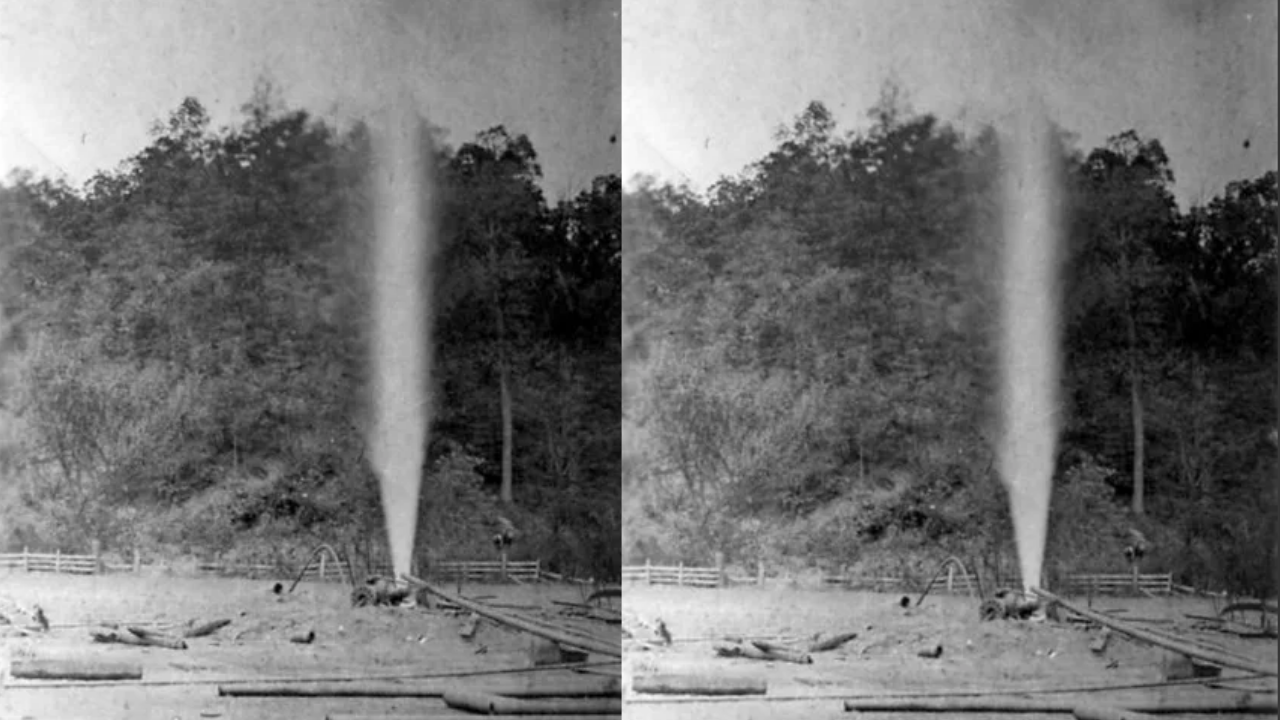
In 1895, a lightning strike ignited an enormous underground gas well in West Virginia, known as Big Moses, sending flames soaring 150 to 200 feet into the sky. Big Moses had become a renowned feature when drillers searching for oil instead struck a massive supply of natural gas on September 6, 1894. The well's pressure was so intense that efforts to contain it repeatedly failed, making it both a significant natural gas resource and a local spectacle.
On June 14, 1895, lightning ignited the escaping gas, creating a spectacular blaze. However, the fire did not persist; historical records indicate it lasted only about two hours before the force of the gas blew it out. Despite lasting only a short while, Big Moses remained an uncontrolled gas flow, ultimately stopping on August 27, 1895.
This event showcased the immense energy stored beneath West Virginia and the challenges faced by 19th-century drilling technology.
Written by urgent.news from Times of India's reporting — not their text. Machine-written — may contain errors; check the original before relying on it.