Huawei goes on trial in US for racketeering after nearly decade of litigation
Chinese tech giant Huawei Technologies went on trial on Tuesday in Brooklyn, New York, on criminal charges after eight years of legal wrangling with the US government. The Shenzhen-based company has pleaded not guilty to all 14 counts, including bank fraud, wire fraud, trade secret theft, and racketeering, with the alleged criminal activity dating back to 1999. Jury selection began on Tuesday,…
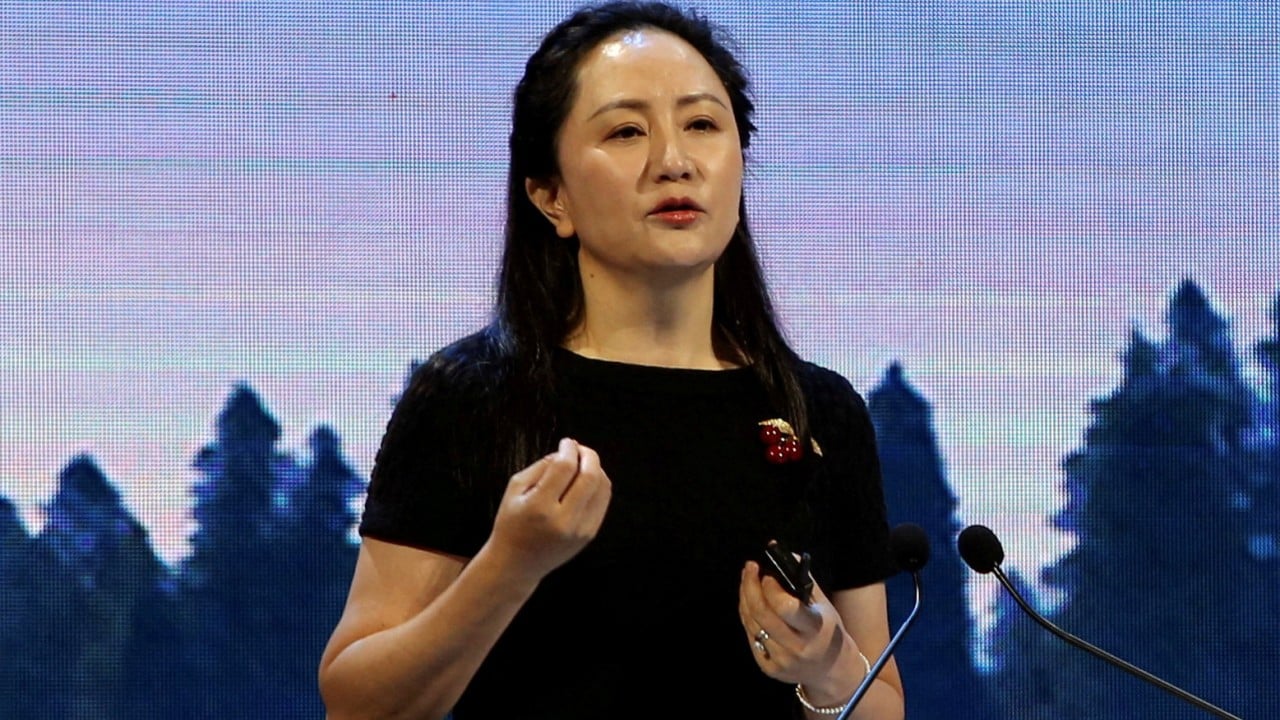
On Tuesday, Chinese tech giant Huawei Technologies commenced a trial in Brooklyn, New York, facing criminal charges after a decade-long legal battle with the US government. Huawei, headquartered in Shenzhen, has pleaded not guilty to 14 counts including bank fraud, wire fraud, trade secret theft, and racketeering, with alleged criminal activity dating back to 1999.
Jury selection commenced on Tuesday, with US District Judge Ann M. Donnelly instructing potential jurors to remain impartial. She emphasized that China and the Communist Party are not the focus of the trial, and the ongoing US-Iran conflict should not impact the jurors' judgment. Federal prosecutors allege that Huawei orchestrated a long-standing racketeering scheme to expand its global business, involving intellectual property theft, US sanctions violations on Iran, and deceiving major banks about its ties to Iran.
Huawei denies these claims, stating that its recent success, such as $126 billion in global sales revenue last year, was achieved through its own research and development efforts. The US government dropped two counts of sanctions violations in September, proceeding with the remaining 12 charges. If convicted, Huawei could face fines and forfeiture of billions of US dollars in proceeds.
The trial began with Meng Wanzhou, Huawei's former CFO, concluding her legal case in 2021 through a plea deal, allowing her to return to China. Prosecutors plan to call 25 China-based Huawei employees, including Meng, to testify. Huawei is represented by US law firms Jenner & Block, Sidley Austin, and Steptoe. The complexity of the case, spanning nearly a decade and a quarter-century of alleged misconduct, is expected to take time to present to jurors, according to law professors and legal experts.
Written by urgent.news from Reuters Business via SCMP's reporting — not their text. Machine-written — may contain errors; check the original before relying on it.