How ‘Star Trek’ helped invent the future
Star Trek first beamed into our lives at 8:30 p.m. on Sept. 8, 1966, and the science fiction world was never the same. The show, though canceled after just three seasons, went on to become a lasting pop culture phenomenon that has spawned an entertainment empire , with movies, spinoffs, merchandise, and a fan following that few intellectual properties can match. But Star Trek proved to be more…
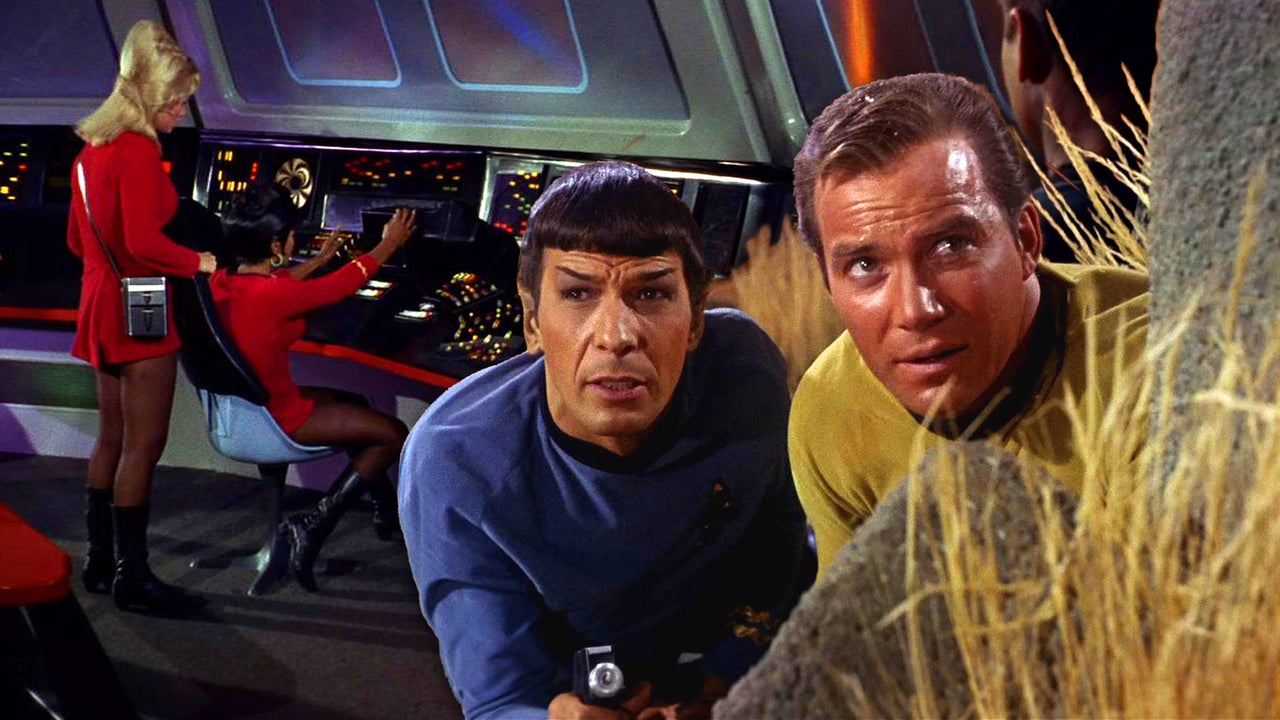
Star Trek premiered on September 8, 1966, and transformed the science fiction landscape. Despite only airing for three seasons, it has left an indelible mark on pop culture, spawning movies, spin-offs, merchandise, and a fan base that rivals few other intellectual properties. However, Star Trek's influence extended beyond entertainment. The technologies imagined in the show sparked interest in inventors and led to real-world applications. Here's a look at some of the on-screen creations that have become reality.
The handheld communicator, used by Captain Kirk and the crew to stay connected, first appeared in Star Trek. Modern technology, such as the Motorola StarTAC phone in 1989 and the Samsung Galaxy Buds4 line, has made this a reality. Today's smartphones, like iPhones and Android devices, offer more than just calling capabilities, but they still have a long way to go before replicating the communicator's full functionality.
The universal translator, which Lt. Uhura used to decipher alien languages, has evolved into modern translation tools. Apps like Google Translate and iTranslate, as well as AI-assisted earbuds like the Samsung Galaxy Buds4, can now provide instant language translation. Meanwhile, handheld translators like the Vasco V4 Language Translator Device offer similar functionality.
Voice-interface computers, once a figment of imagination, are now commonplace. Devices like Amazon Echo and Siri allow users to verbally interact with computers, a concept that was once unimaginable. This technology has become so prevalent that drivers are prohibited from picking up their phones while driving, but voice interactions are now widely accepted.
The tricorder, a handheld medical scanner used by Dr. McCoy, has found its way into reality as well. In the 90s, Scanadu showcased a device capable of measuring five vital signs in 30 seconds. This technology has since been integrated into smartwatches, which monitor heart rate, sleep patterns, and blood pressure.
Star Trek's replicator, capable of creating objects from thin air, has been made possible by 3D printers. These devices can produce a variety of items, from prosthetics to rocket engines. While Star Trek's replicators couldn't create food like Gagh, 3D-printed edible items have made significant strides. However, there's still a significant gap between current technology and the replicators seen on the show.
Lastly, the hypospray, a needle-free injection device used in Star Trek, was already a reality when the show aired. Jet injectors, which use high-pressure gas to propel liquid medication through the skin, were in use during that time. While the hypospray remains fictional, jet injectors continue to be a part of modern medicine. Despite the many advancements, the warp drive remains a fantasy, with NASA continuing to explore possibilities for faster-than-light travel.
Written by urgent.news from Fast Company's reporting — not their text. Machine-written — may contain errors; check the original before relying on it.