How extreme heat is rewriting the job of state government
As climate change makes extreme heat more frequent and dangerous, states are building systems to manage a hazard they weren't historically built to handle. The big picture: In a growing number of states , officials are appointing heat officers, writing statewide plans, setting worker protections, funding cooling infrastructure, and coordinating responses across agencies. Driving the news: July…
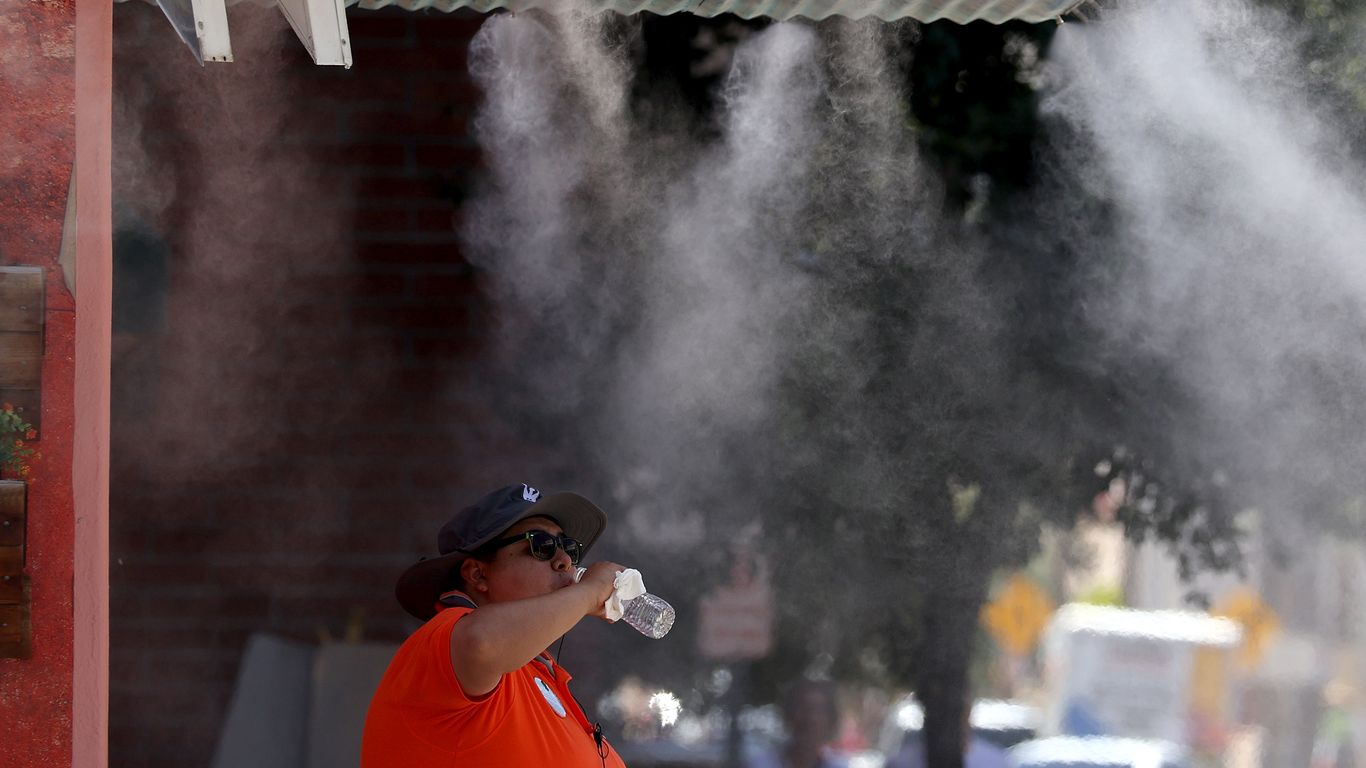
Extreme heat is causing states to reevaluate their responsibilities as climate change makes the hazard more prevalent and dangerous. In response, states are creating systems to manage this new challenge, appointing heat officers, writing statewide plans, setting worker protections, funding cooling infrastructure, and coordinating responses across agencies. July marked the hottest month ever recorded in the contiguous United States, with every state exceeding its 20th-century average temperature.
V. Kelly Turner, associate director of heat research at the UCLA Luskin Center for Innovation, noted that heat's impact has been overlooked due to its lack of obvious visible damage compared to other climate disasters. Turner explained that heat has not previously garnered the same level of government funding because it doesn't possess a distinct budget or focus.
Massachusetts recently became the first East Coast state and second nationwide to appoint a heat resilience officer. The state has experienced a nearly 3.5°F temperature increase over the past century, resulting in nearly 1,500 heat-related emergency room visits last year. Katie Schlick, the heat resilience officer for Massachusetts, highlighted that one in five public schools in the state lacks air conditioning, which affects student learning.
Arizona's 2024 heat plan established its chief heat officer role, aiming to coordinate heat-response efforts across agencies. The state also expanded heat-relief resources, including mobile solar-powered cooling centers made from shipping containers, and saw a 59% increase in visits to two cooling centers at the Arizona Capitol in summer 2025 compared to the previous year.
California, despite lacking an official heat officer position, has an office dedicated to extreme heat and a funding program to support communities in tackling the issue. California's 2022 Extreme Heat Action Plan created the state's first comprehensive approach to addressing extreme heat, covering various sectors such as public health, emergency response, housing, infrastructure, energy, and worker protections.
A subsequent law requires cities and counties to address heat hazards when updating general plan elements starting in January 2028.
Turner emphasized that heat governance is still in its early stages as states explore effective response strategies. Massachusetts is working on reducing heat-related school closures through more cooling, enhancing local heat-planning capabilities, improving workplace safety, and increasing tree cover in heat equity communities. The state aims to quantify heat's costs, including lost work and wages, emergency room visits, and insurance expenses, to determine the most cost-effective interventions.
Written by urgent.news from Axios's reporting — not their text. Machine-written — may contain errors; check the original before relying on it.