How blended finance is closing West Africa’s energy gap
Schneider Electric SE is stepping up calls for private capital to flow into power projects for West African health facilities, read more How blended finance is closing West Africa’s energy gap
The Institute of Electrical and Electronics Engineers (IEEE) and its Power and Energy Society (PES) champion advancing technology for the benefit of all humanity, particularly underserved communities across Africa. One of their key initiatives, IEEE Smart Village (ISV), takes a unique approach by funding local entrepreneurs who become the owners and operators of their own energy enterprises.
This model emphasizes enterprise, community leadership, and long-term partnership to convert seed investments into self-sustaining businesses that can empower millions of lives.
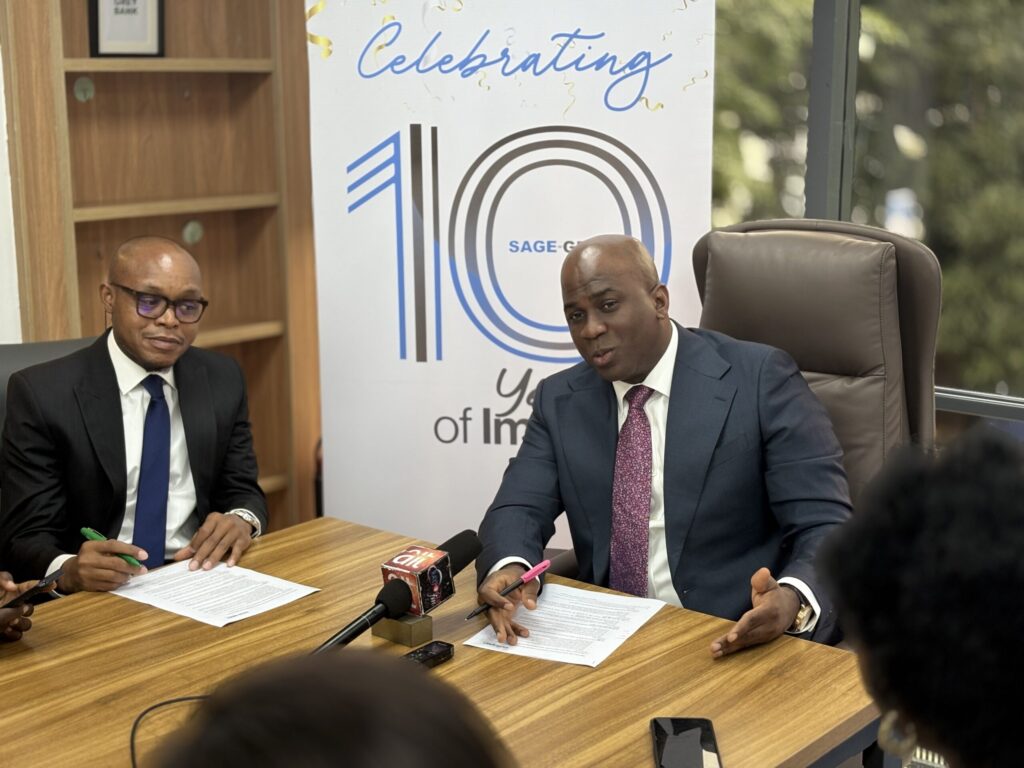
ISV's strategy stands in contrast to traditional humanitarian models, providing ongoing support throughout the venture's lifecycle, from implementation to growth. This approach has yielded significant results, such as the recent award to two Nigerian entrepreneurs, Ifeanyi Orajaka and Henry Ureh, who have been tasked with developing 109 solar mini-grids across Nigeria, serving over 230,000 homes and businesses.
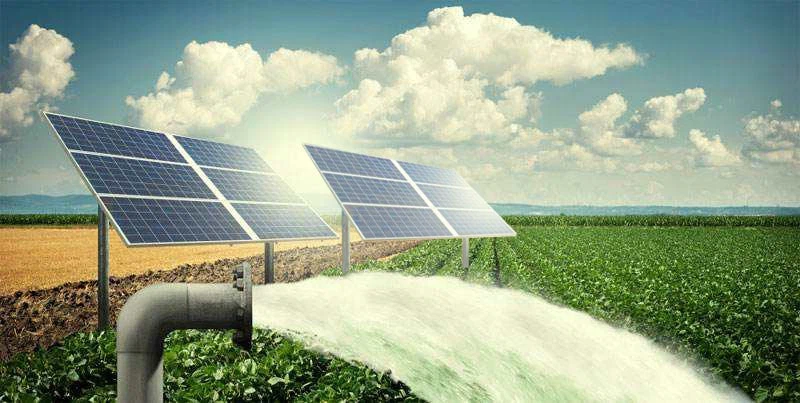
ISV's impact extends beyond Nigeria. With projects operating in 15 African nations, the initiative has supported nearly 60 founders who have built, owned, and operated their own electricity companies. In Rwanda, for instance, the ADP-led project in Bugesera District built a solar-powered farm packhouse and cold storage facility, transforming the cooperative's ability to sell its harvest at competitive prices. The facility has also extended its benefits to 50 neighboring farmers, reaching approximately 600 people.
To achieve widespread access to reliable energy, three key elements are necessary. First, professionals with expertise in various areas must step forward to support ISV entrepreneurs. Second, communities must lead the initiative, respecting their culture, knowledge, and agency. Lastly, investing in STEM education and local technical capacity is crucial, as infrastructure without the necessary skills is a liability rather than an asset.
By fostering these elements, the energy transition can reach those who need it most and convert hardware into lasting livelihoods.
Written by urgent.news from Africa Business's reporting — not their text. Machine-written — may contain errors; check the original before relying on it.
This story
This is one outlet's version. Read the fullest account.