Hormuz traffic slows after Iran threatens retaliation for US attacks
Seven commodity vessels sailed through the Strait of Hormuz on Monday, down from eight the previous day, while 29 passed through the Bab el-Mandeb Strait, up from 17, Kpler data showed on Tuesday.
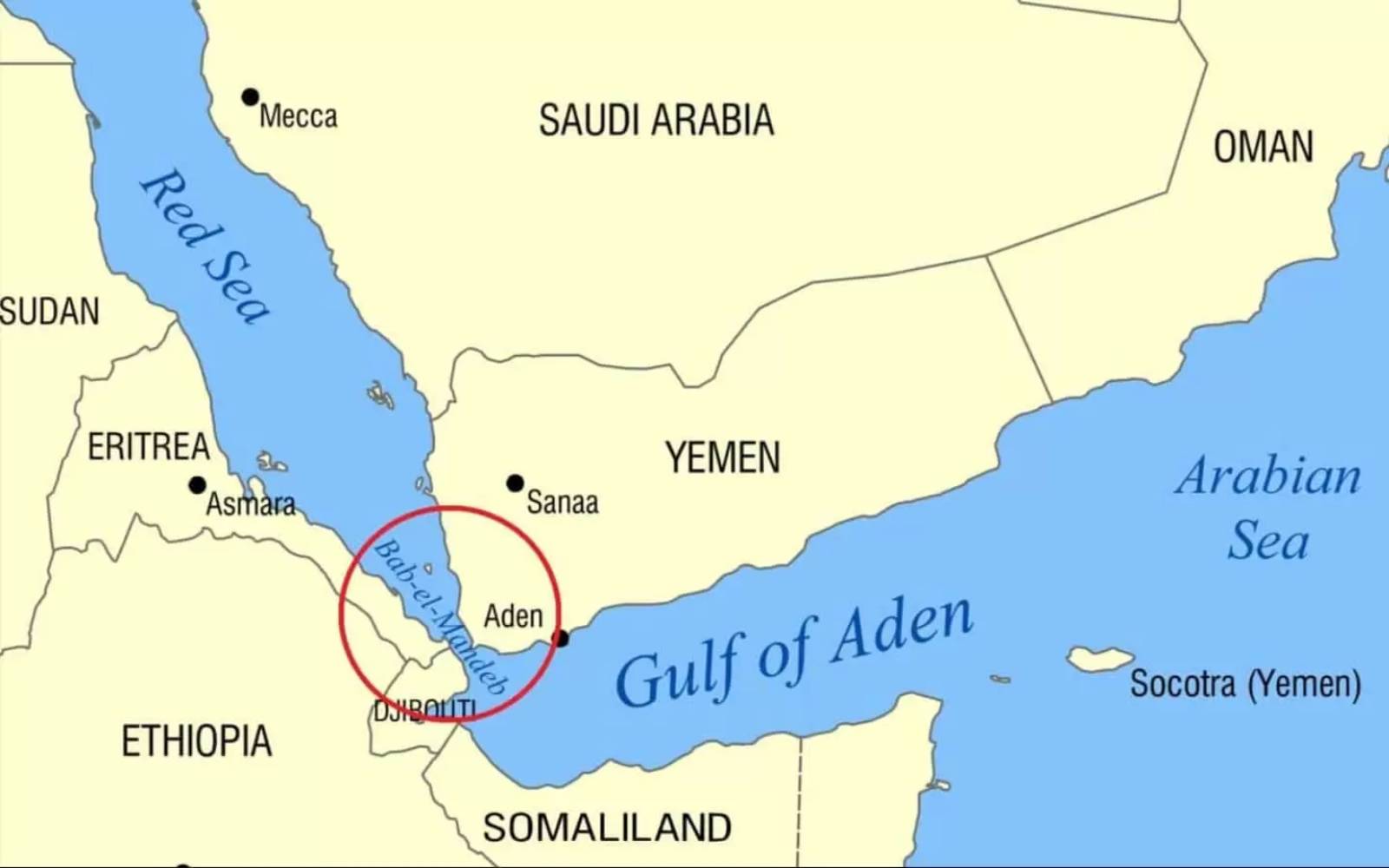
Shipping traffic in the Strait of Hormuz dropped at the beginning of the week, following Iran's threat to retaliate for any fresh US attacks, according to Kpler data released on Tuesday. On Monday, only seven commodity vessels passed through the Hormuz strait, down from eight the previous day. Iran had previously warned that energy facilities throughout the Gulf region, including US oil and gas operations, were susceptible to harm.
Goldman Sachs recently revised its crude oil price projections for December 2026 and 2027, anticipating ongoing shipping interruptions in the Middle East into the following year. However, traffic increased in the Bab el-Mandeb strait, another crucial waterway for commodity vessels. On Monday, 29 commodity vessels transited through Bab el-Mandeb, compared to 17 the day before.
It is worth noting that some vessels might have been sailing through both straits with their transponders turned off, a fact not included in the counts.
Written by urgent.news from Free Malaysia Today's reporting — not their text. Machine-written — may contain errors; check the original before relying on it.
This story
This is one outlet's version. Read the fullest account.
- Hormuz traffic slows after Iran threatens retaliation for US attacks brecorder.com
- Hormuz traffic slows after Iran threatens retaliation for US attacks al-monitor.com
- Iran threatens US with new missiles, plans Gulf maritime exclusion zone nst.com.my
- Hormuz traffic slows after Iran threatens retaliation for US attacks freemalaysiatoday.com
- Crude oil futures rise after Iran threatens retaliatory strike on energy assets thehindubusinessline.com
- Hormuz traffic slows after Iran threatens retaliation for US attacks investing.com