Hong Kong stocks face double threat: US inflation and yen carry-trade risks
Hong Kong and mainland Chinese stocks face a high-stakes week as investors navigate US inflation data, a strengthening Japanese yen and looming monetary policy decisions by two of the world’s most influential central banks. Friday’s consumer price index in the United States will take centre stage, with the report arriving just ahead of the Federal Reserve’s policy meeting next week. With Fed…
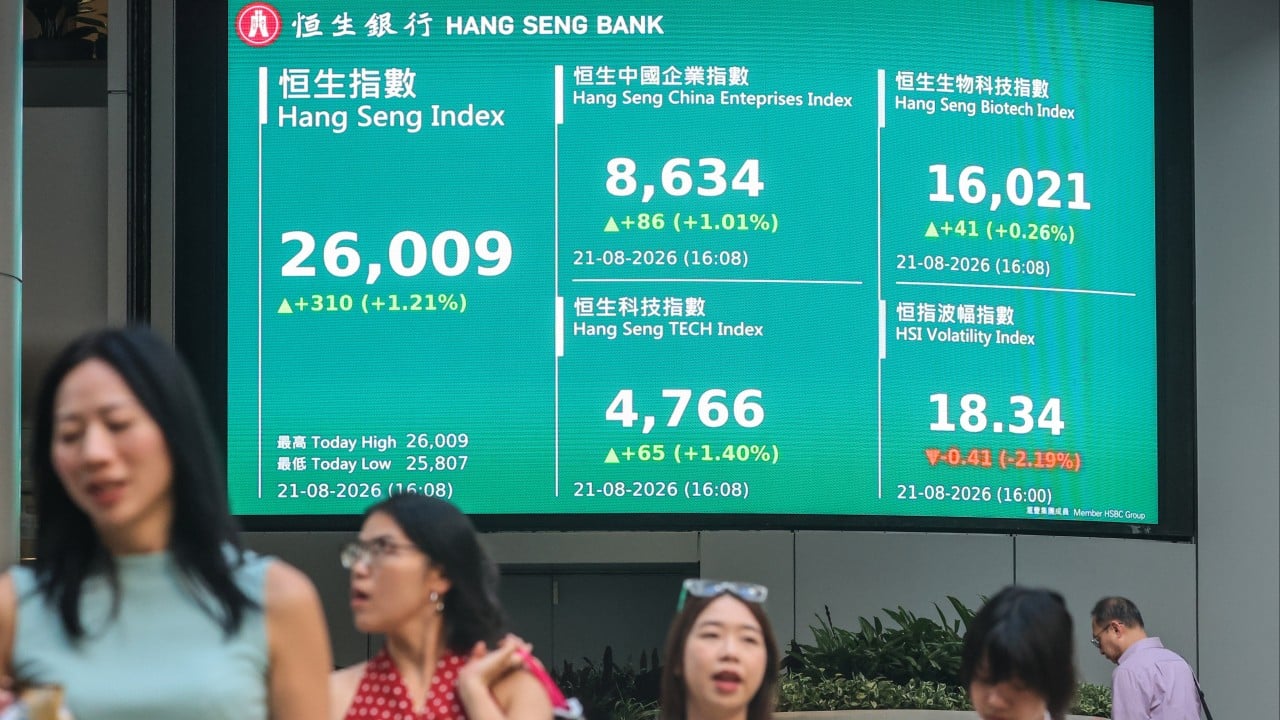
Hong Kong and mainland Chinese stocks are facing a double threat this week as they grapple with US inflation data, a stronger Japanese yen, and upcoming monetary policy decisions by two major central banks. The upcoming release of the US consumer price index will be a focal point, coming just before the Federal Reserve's policy meeting.
Fed Chair Kevin Warsh has hinted at a strong focus on curbing inflation, and analysts believe a higher-than-anticipated reading could increase the likelihood of a benchmark interest rate hike. Meanwhile, the Japanese yen has strengthened to its highest level in seven months against the US dollar, posing challenges for global equity markets and the "carry trade" strategy.
The Bank of Japan is expected to raise interest rates at its decision meeting next week. These factors could intensify existing challenges for Hong Kong and mainland Chinese stocks, such as high US Treasury yields and volatility in the tech sector. Higher US interest rates and a weakening yen-supported carry trade could further pressure these markets, particularly Hong Kong stocks due to their heightened sensitivity to overseas capital flows.
Analyst Chen Meng from Soochow Securities noted that an interest rate increase would keep US Treasury yields elevated, potentially hindering a Hong Kong stock rebound. The upcoming August inflation figures will play a crucial role in determining the Fed's next steps, with Warsh's remarks at the central bank's annual symposium in late August indicating that policymakers will remain guided by incoming data.
Financial institutions have offered differing forecasts, with Bank of America predicting a 0.22% rise in core consumer prices, which could keep expectations for an interest rate hike alive. Citigroup, however, expects only a 0.18% increase, potentially leading the central bank to pause further tightening. CME Group projects a 58% probability of a 25-basis-point rate increase next week.
The strengthening yen also introduces broader risks across global markets, potentially leading to a re-pricing of assets and unwinding of carry-trade positions that could impact artificial intelligence-related trades. A Japanese rate hike would exacerbate the situation by driving yields higher and burdening risk-oriented assets.
Analyst Stephen Innes from SPI Asset Management warned of a "brutal purge in risk assets" as the market faces a Fed hike, high oil prices near triple digits, and the potential capital repatriation to Japan.
Written by urgent.news from SCMP Business's reporting — not their text. Machine-written — may contain errors; check the original before relying on it.