Google says attackers used AI agents to steal credentials in under six hours
Threat actors used a multi-agent artificial intelligence framework to compromise thousands of credentials in under six hours, Google LLC’s Google Threat Intelligence Group said in a report released today. Mandiant investigators traced the campaign to a suspected financially motivated actor that first broke into an organization’s cloud infrastructure. The attacker then assembled an autonomous…
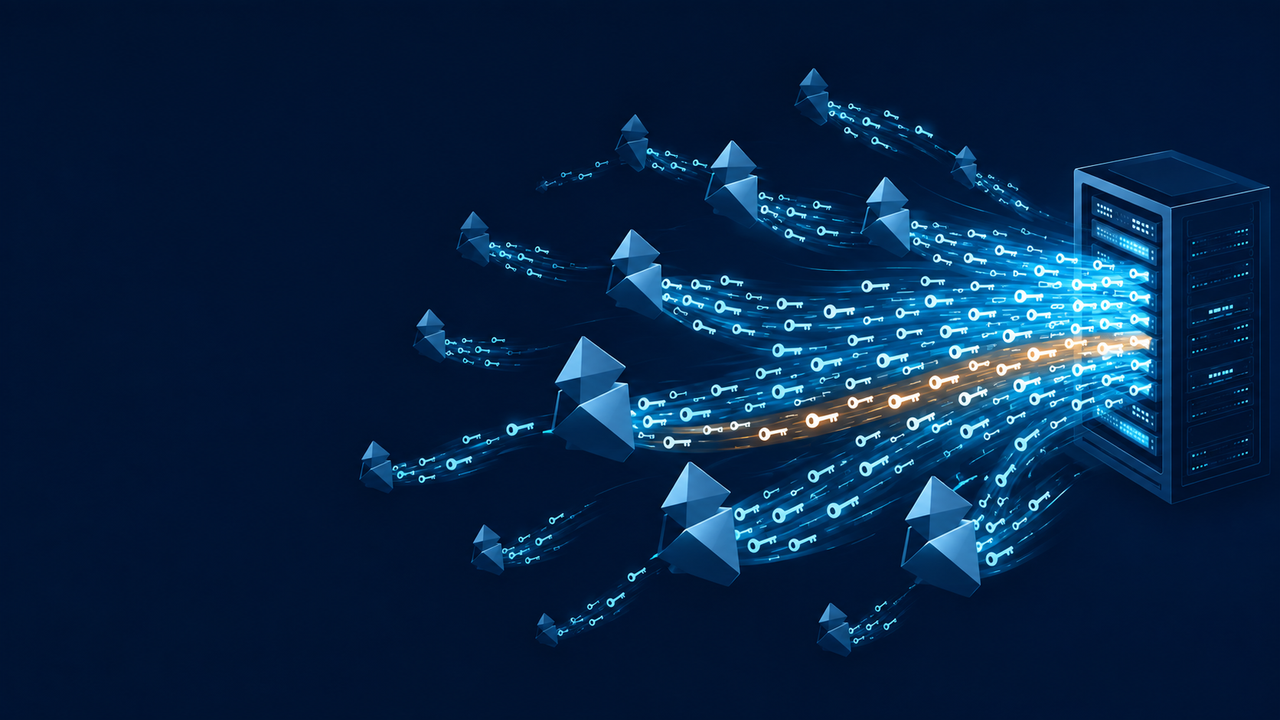
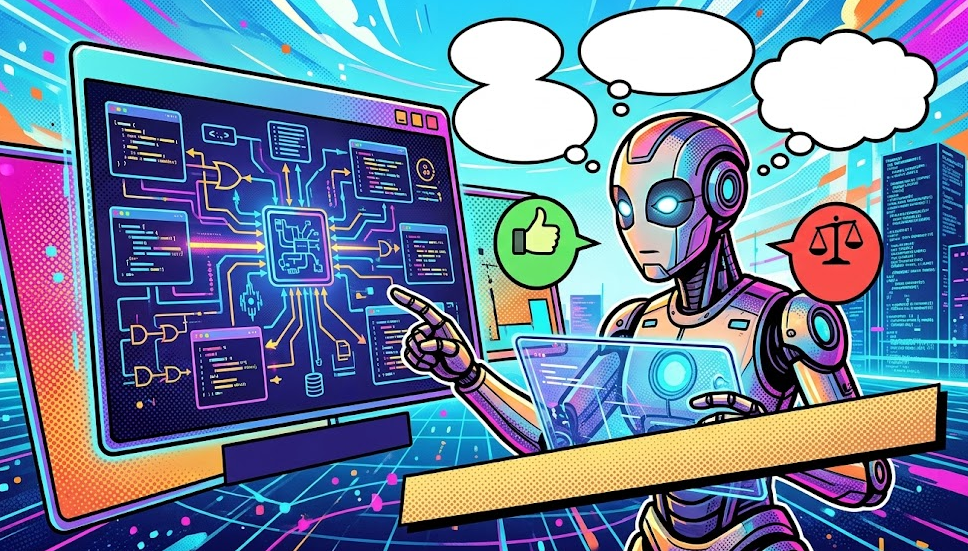
Google's Threat Intelligence Group (GTIG) has reported that threat actors used a multi-agent artificial intelligence framework to steal thousands of credentials in under six hours. The attack began when the unknown financially motivated actor breached the target's cloud infrastructure. Using a preconfigured AI coding chatbot, a set of agent instructions, and an autonomous framework, the attacker completed the task without human intervention.
The traffic appeared legitimate as it left the victim's addresses, making it difficult to detect. GTIG noted that this marks a significant reduction in human involvement in cyberattacks. While fully autonomous attack pipelines have not been observed, the speed at which adversaries can act is concerning. Threat actors are now handing multistep decision-making to models, reducing the time defenders have to respond.
One example of this threat is the alleged China-linked espionage group, which attempted to build an automated penetration testing framework but was unsuccessful. Another notable development is the targeting of AI assets themselves. Mandiant observed data theft extortion cases where attackers stole proprietary models, source code, and prompts from various industries.
Additionally, UNC6508, an alleged China-linked group, is suspected of deploying open-weight models inside compromised cloud environments. This development highlights the evolving nature of cyber threats and the increasing reliance on AI by adversaries.
Written by urgent.news from SiliconANGLE's reporting — not their text. Machine-written — may contain errors; check the original before relying on it.