Google DeepMind publishes AI-powered predictions for the effect of all 9 billion possible single-point mutations in the human genome
Atlas, DeepMind's comprehensive catalogue of predicted DNA mutation effects, could help scientists unlock the cause of rare genetic diseases and help them find cures.
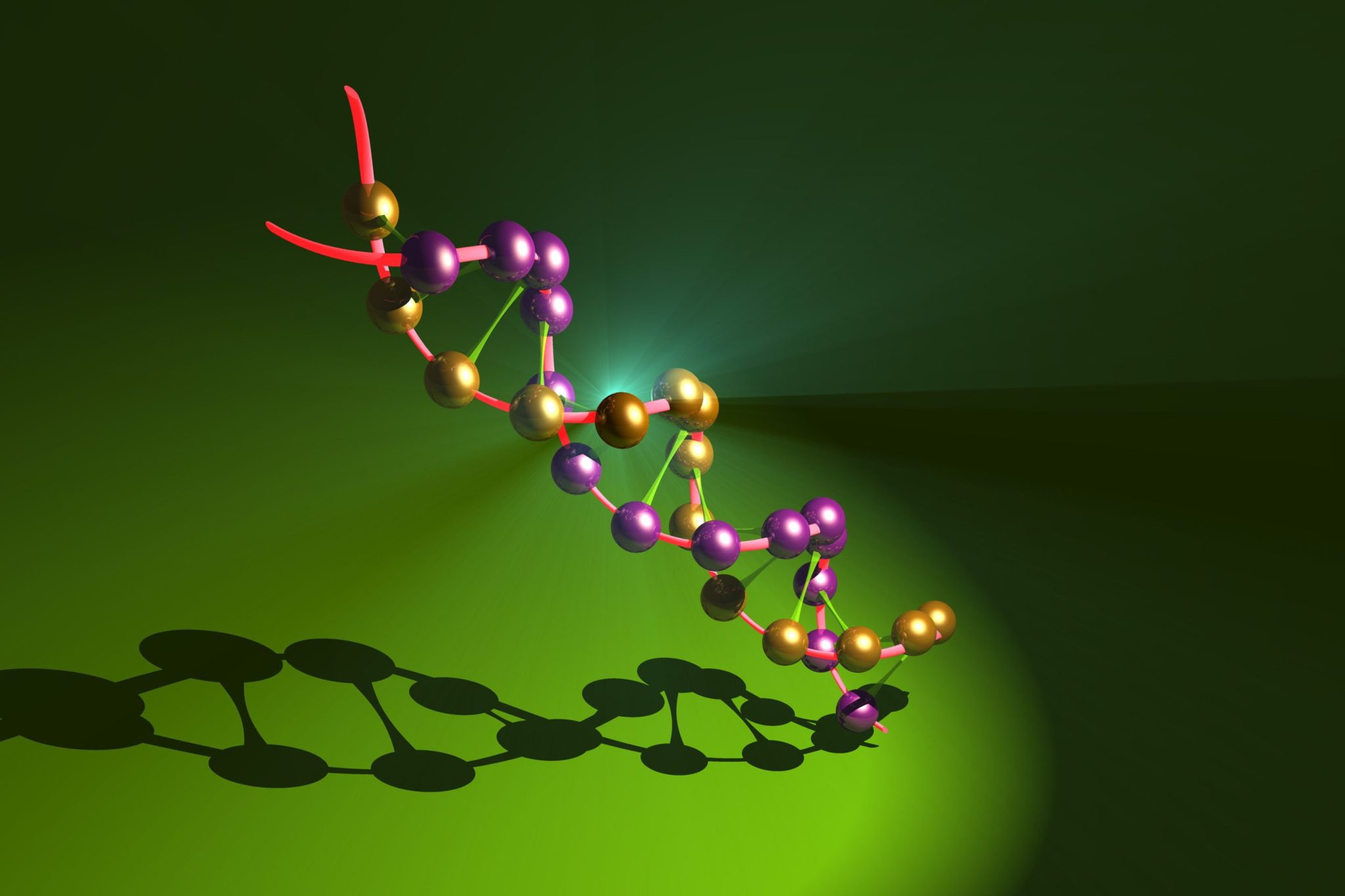
Google DeepMind has created an AI-powered database, called AlphaGenome Atlas, containing predictions of the biological consequences of all 9 billion possible single-letter changes to human DNA. This comprehensive catalogue is now freely available to academic researchers worldwide. The Atlas aims to simplify the process of understanding the effects of genetic mutations, which could accelerate the discovery of genetic diseases and potential cures.
Pushmeet Kohli, DeepMind’s vice president for research, explained that the Atlas offers a precomputed map of human genetic variation, fulfilling the unfinished business of the Human Genome Project. The database is built by applying AlphaGenome, an AI model, across a reference sample of the human genome, and comparing each reference base against each of the three possible alternatives.
This process yields an average of around 27,000 predictions per variant, covering gene expression, DNA transcription, and protein manufacturing. DeepMind also introduced AlphaGenome Variant Impact (AVI) scores, which summarize the predictions and categorize variants based on their impact on the genome—the AVI score of 10 indicates a variant among the 10% most impactful, while an AVI score of 30 places it among the strongest one in a thousand.
The Atlas includes a detailed breakdown of the processes driving each score, highlighting whether a variant is associated with splicing, gene expression, or protein change. The breakdown is crucial because the protein-coding portion of DNA accounts for about 2% of the genome, while the remaining 98% governs when and where genes are switched on.
AlphaGenome Atlas also features over 2,500 recurring short DNA sequences, or motifs, that transcription factors bind to, providing valuable insights into the non-coding portion of the genome. Early beta testers, including researchers from the Broad Institute and the GREGoR Consortium, reported promising results with the Atlas.
Written by urgent.news from Fortune's reporting — not their text. Machine-written — may contain errors; check the original before relying on it.
This story
This is one outlet's version. Read the fullest account.