German scammer dupes two different buyers into spending thousands on hollow RTX 5090 GPUs — stripped-out cards netted fraudster $5,000 despite being worthless
Graphics card scams without the core and memory chips are spreading worldwide, with the latest report coming from Germany.
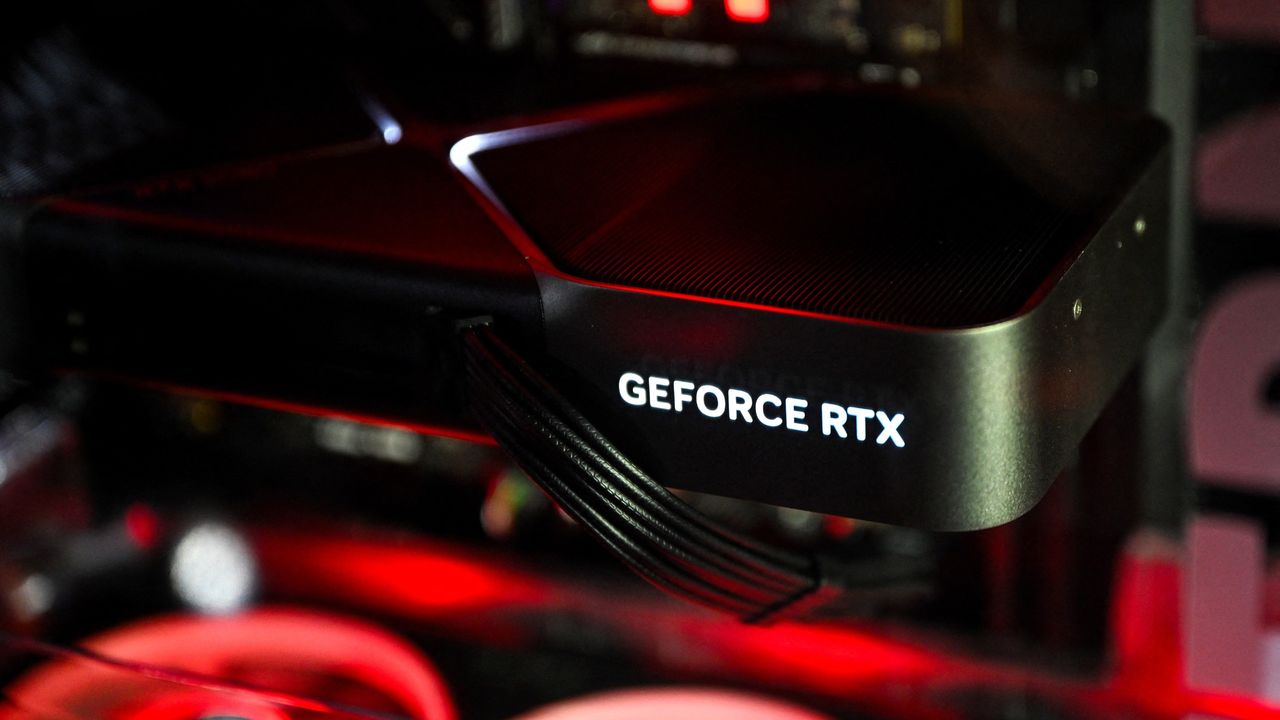
Nvidia's GeForce RTX 50-series graphics cards, known as Blackwell, are some of the highest-performing cards available in the market. Due to their popularity, these graphics cards have become a prime target for criminals attempting to scam potential buyers. Although scams involving hollow graphics cards are not new, their increasing frequency and spread have become a significant concern.
Two separate buyers in Germany have recently become victims of the same fraudulent seller offering hollow RTX 5090 GPUs. The first victim, as detailed by hardware enthusiast Roman "der8auer" Hartung, paid around $2,090 (1,800 euros) for a second-hand Palit GeForce RTX 5090 GameRock OC. The price was suspiciously low, as a new card typically costs around $5,805 (4,999 euros) in Germany.
The buyer met the seller in person, believing a face-to-face interaction would confirm the card's authenticity. However, the buyer trusted the seller's word and ended up purchasing a non-functional card.
A second report emerged from a member of the Hardwareluxx forums who also fell for the same scam, paying nearly $2,613 (2,250 euros) for a hollow RTX 5090 GPU. In both cases, the scammer used legitimate-looking invoices to build the buyers’ trust. The first victim discovered the serial number on the graphics card did not match the one listed on the packaging, while the second buyer found that the serial numbers on the invoice and packaging matched, but the seller had scratched off the original serial number on the card.
These incidents serve as a cautionary tale for anyone looking to purchase a graphics card, especially from second-hand sources. The growing trend of using realistic invoices as a fraudulent tactic makes it increasingly difficult for buyers to detect these scams. As long as the demand for graphics cards remains high, scammers will continue to exploit this desire and offer prices that seem too good to be true.
Written by urgent.news from Tom's Hardware's reporting — not their text. Machine-written — may contain errors; check the original before relying on it.