GalaxEye secures US patent for OptoSAR satellite imaging technology
GalaxEye’s US patent for its OptoSAR satellite imaging technology strengthens its intellectual-property position as India’s private Earth-observation sector expands.
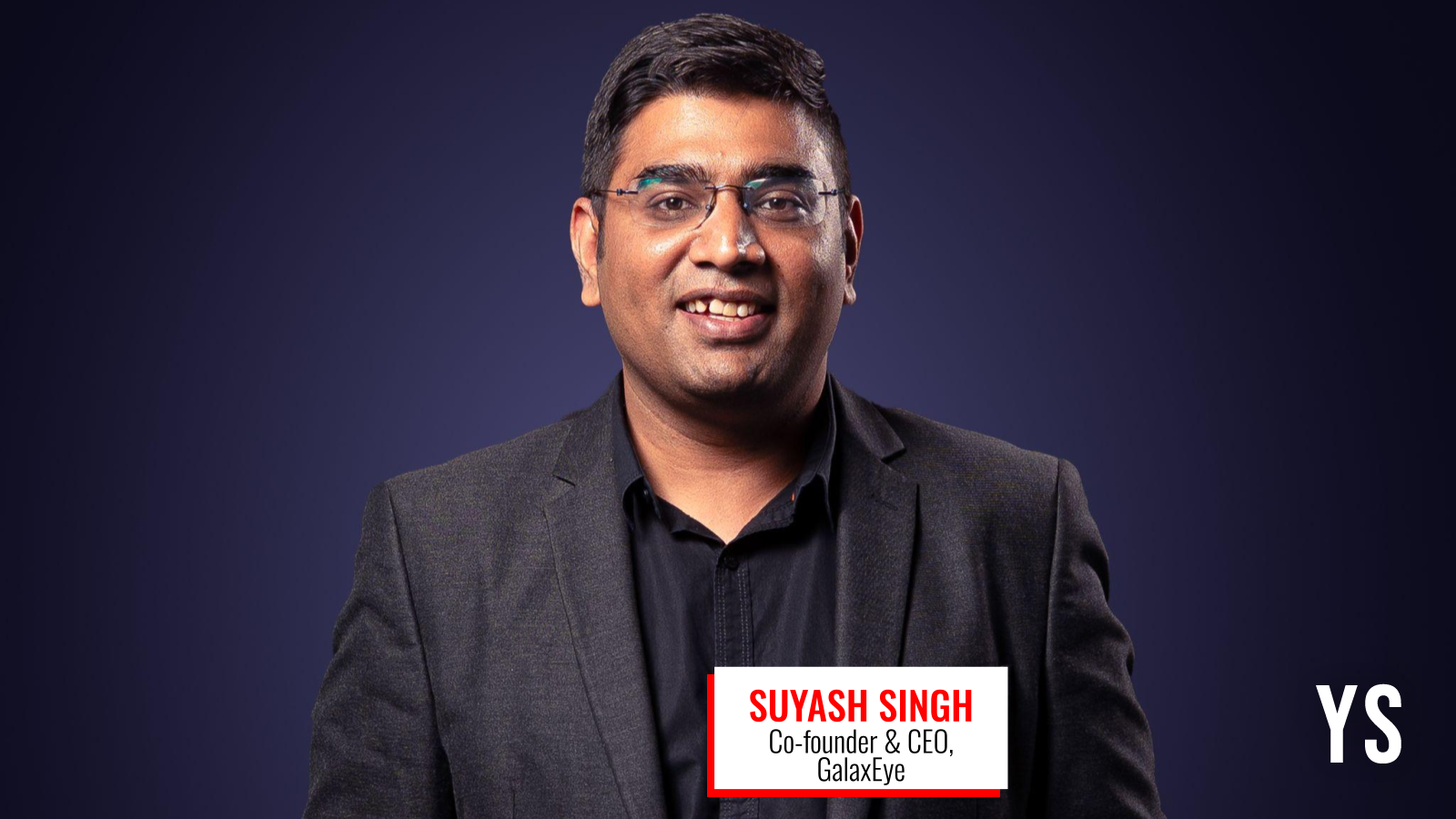
Indian space startup GalaxEye has been awarded a US patent for its OptoSAR satellite imaging technology, positioning itself as the first Indian company to achieve this feat. The breakthrough patent secures the company’s intellectual property portfolio as it expands its Earth-observation business. GalaxEye’s patent covers an innovative architecture that synchronizes optical and microwave sensors to collect spatially and temporally matched observations.
This combination of optical imaging, which provides visual and spectral data, and Synthetic Aperture Radar (SAR), which can penetrate clouds and observe at night, yields a more consistent picture of Earth's surface. Former ISRO chairman Dr. Somanath S Panicker highlighted the significance of this development, stating that it demonstrates the capabilities of India's private space sector and its commercial potential for various applications that require richer, more actionable intelligence.
In line with this progress, GalaxEye plans to deploy a constellation of 30 satellites over the next five years and recently acquired Bengaluru-based StarOps to bolster its spacecraft engineering capabilities. The expansion of India's commercial Earth-observation sector is further evidenced by the 2023 Indian Space Policy, which opened the space economy to private participation.
Competitors are also stepping up, with a consortium led by Pixxel and backed by over Rs 1,200 crore in investment, developing India's first privately-led national Earth-observation constellation comprising 12 satellites. Recently, Pixxel raised $100 million in a Series C round to expand its offerings beyond hyperspectral imaging into broader Earth intelligence and satellite infrastructure.
Written by urgent.news from YourStory's reporting — not their text. Machine-written — may contain errors; check the original before relying on it.
This story
This is one outlet's version. Read the fullest account.