Fuel, congestion push trans-Pacific ocean rates near $9,500
Mideast tensions and operating issues are keeping container rates elevated on the trans-Pacific. The post Fuel, congestion push trans-Pacific ocean rates near $9,500 appeared first on FreightWaves .
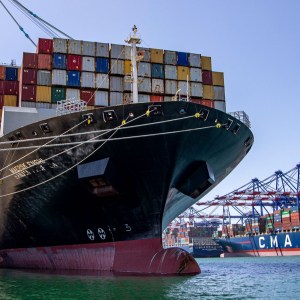
The war in Iran is driving up bunker fuel prices back to mid-year levels, raising the cost floor for container shipping despite trans-Pacific spot rates beginning to show signs of cooling from their peak-season highs. Rising fuel costs are setting an elevated floor for container rates, although ocean prices are primarily influenced by demand trends and disruptions to capacity availability.
Iran's tensions with the U.S. are also affecting the Strait of Hormuz, with Iran now planning to widen the exclusion zone around the area. Fuel rates have increased since the ceasefire ended in July, but recent geopolitical tensions and a surge in Chinese crude imports have brought bunker fuel prices back to mid-June levels. Trans-Pacific ocean rates have slightly decreased last week, indicating no further rate increases are expected in the last few weeks of peak season.
However, the strong demand that began in late May has sustained prices at peak levels since early July. Currently, rates of around $7,600 per unit to the West Coast and $9,500 to the East Coast are similar to the peak season levels observed in 2024 when seasonal demand, Red Sea disruptions, and frontloading ahead of a possible East Coast labor strike drove rates sharply upward.
Severe typhoon-related congestion at Asia container hubs might also be contributing to the current rate levels. Carriers have increased blanked sailings for this week, likely attempting to restore schedules disrupted by the storms, which may help keep prices elevated even if demand begins to ease. The Panama Canal Authority has delayed an additional half-foot draft reduction for Neopanamax transits until further notice, but the authority remains prepared for potential drought conditions from the anticipated El Niño this year.
The reduction in daily transits from 36 to 32 for Neopanamax vessels has only affected long-haul container ships. Meanwhile, Mediterranean lanes have seen a slight decline, with rates falling from $4,700 to $4,500 for North Europe and down further to almost even with North Europe rates. Historically, Asia-Mediterranean rates have averaged 17% higher than Asia-North Europe prices, but they have occasionally been lower.
The sharper decline in Mediterranean rates — a 37% reduction from peak season highs compared to a 23% decrease for North Europe lanes — may be attributed to the recent increase in Red Sea transits for some Mediterranean services and ongoing congestion at North Europe hubs, which is exerting upward pressure on rates for those lanes even after peak season demand has tapered off.
However, both lanes are still $1,000–$1,700 above pre-peak season levels, likely due to congestion in the Far East as well. Recent port worker strikes in Germany and the Netherlands are also contributing to some of the current backlog.
Written by urgent.news from FreightWaves's reporting — not their text. Machine-written — may contain errors; check the original before relying on it.