From India to Germany: Populating the green energy workforce
As Germany tries to find workers for its renewable energy expansion, private recruiters are building new migration pipelines from India The post From India to Germany: Populating the green energy workforce appeared first on Dialogue Earth .
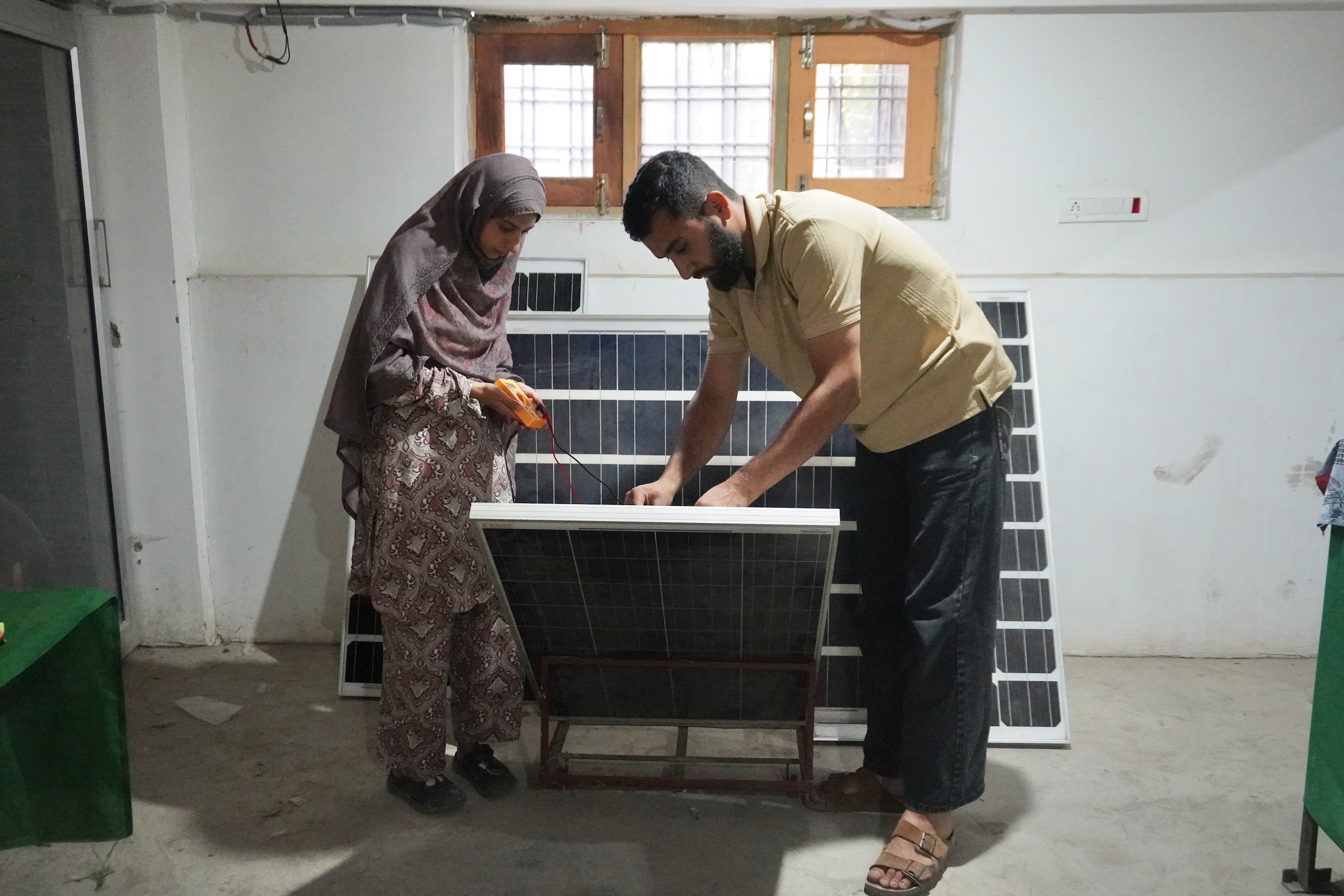
Four years ago, Akshay Kadam arrived at Enviria, a Frankfurt-based clean energy company specializing in commercial solar rooftop systems. As the sole non-white individual among a workforce of fewer than 50, his Indian background immediately set him apart. After two and a half years working as a project engineer for Waaree Energies in Mumbai, India, Kadam recognized the need for additional qualifications to secure a job in Germany’s solar industry.
He enrolled in a master’s program in engineering and industrial management at a private German university, paying for tuition and preparing for interviews using basic German skills. Eventually, he secured an internship at Enviria, where he demonstrated his ability to work in both the solar generation and grid connection sectors, despite initial challenges adjusting to Germany’s protocols.
As of 2026, over 10,000 Indian professionals are working on renewable energy projects globally, contributing to a rapidly growing renewable energy workforce in India, which is expected to generate over 4.4 million jobs by 2030. Germany aims to expand its solar capacity to 215 GW by 2030, requiring roughly 160,000 additional workers in the wind and photovoltaic sectors.
While Kadam navigated his own path to employment, India and Germany have been exploring a formal skills exchange program for the renewable sector. Signed in 2023, the memorandum between the Germany Solar Association and India’s Skill Council for Green Jobs aimed to place at least 20 Indian Suryamitra (trained solar technicians) in Germany.
However, no such placements had been verified by July 2026. Meanwhile, private recruiters are stepping in to connect Indian renewable energy professionals with international projects. A 2025 study by the NewClimate Institute forecasts that to triple renewable power capacity by 2030, the global workforce in power generation may need to increase from 12.5 million (2021) to 47 million, with much of the growth occurring in manufacturing, installation, and operations.
Emerging economies like India, benefiting from younger populations and wage incentives, face education gaps and skilled worker outflows. Germany has been making strides in lowering formal barriers to skilled migration, allowing workers with relevant experience and a recognized qualification or job offer to enter the country without needing to meet German qualifications.
This flexibility has enabled Indian professionals, such as Kadam, to find opportunities in Germany’s renewable energy sector.
Written by urgent.news from Dialogue Earth's reporting — not their text. Machine-written — may contain errors; check the original before relying on it.