Five-hour queues, soaring prices: Mongolia’s fuel crisis puts energy security in focus
BAGAKHANGAI, Sept 8 — After a five-hour wait for petrol, Mongolian pensioner Nasanjargal is still...
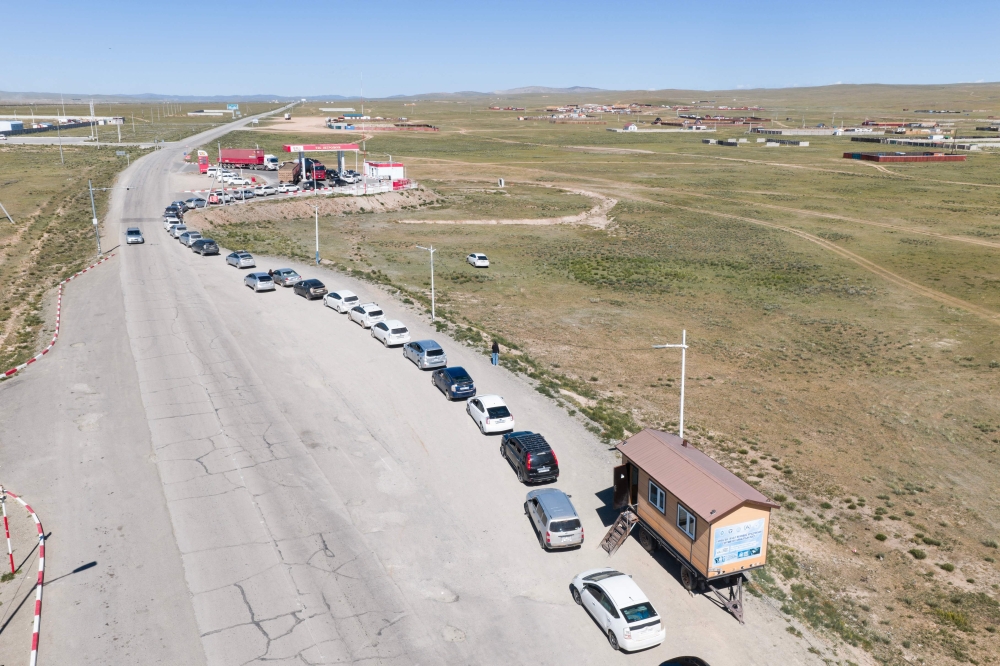
BAGAKHANGAI, Sept 8 — Mongolian pensioner Nasanjargal waited in a five-hour long line for petrol, still 10 places away from the pump as dozens of cars followed him in a queue extending into the desert. "Fuel is unavailable, there are huge queues everywhere," he mentioned to AFP from his stationary Toyota sedan after a one-and-a-half hour journey from the capital Ulaanbaatar.
Nestled between Russia and China, Mongolia typically imports over 95% of its petrol from its northern neighbor. However, recent Russian oil facility strikes have led to supply disruptions, triggering a persistent fuel shortage that has exhausted Mongolia's limited reserves and raised concerns about its energy security. The shortages have disrupted logistics, driven up costs, and thwarted many citizens' plans to travel during the summer.
Nasanjargal, a former police officer, expressed his options were exhausted, stating he hoped things might improve in rural areas. Mongolia has been struggling with a persistent fuel shortage due to Ukrainian strikes on Russian oil facilities, depleting limited stockpiles and casting doubts on the nation's energy security. The crisis has put pressure on Mongolian authorities to ensure a steady supply of fuel, prompting measures such as daily individual purchase caps, a ban on stockpiling, and an alternating license-plate scheme to reduce the number of cars filling up.
However, these rationing efforts have frustrated many ordinary citizens, with Nasanjargal stating the lines are "very troublesome and extremely difficult overall." Beyond congested Ulaanbaatar, notorious for its daily traffic, fuel shortages pose challenges for rural, tourism-dependent regions. Munkhchuluun Samdannyam, the governor of central Dundgovi province, highlighted that his local government's top priority was serving tourists and herders, emphasizing that herders rely on motorized vehicles for survival.
Diversifying Mongolia's size and relatively small population of 3.6 million means the government has limited resources for infrastructure development, according to Telmen Altanshagai, an independent policy analyst specializing in Mongolia's energy security. Talks with Kazakhstan on petroleum product trade and recent fuel imports from South Korea and China have been attempts to diversify imports, but Telmen stressed that diversification doesn't address the fundamental issue of energy dependence on foreign providers.
Efforts to bolster energy security include the construction of Mongolia's first domestic oil refinery, with operations set to commence in 2028. Prime Minister Nyam-Osor Uchral, who has been in office since March, has vowed to manage the crisis, claiming full responsibility for overseeing the oil industry. However, rising fuel costs and limited electric-vehicle charging infrastructure present challenges for logistics networks across the vast, sparsely populated steppe.
Written by urgent.news from Malay Mail's reporting — not their text. Machine-written — may contain errors; check the original before relying on it.