Europe’s human rights court drops 879 Russian complaints. Lawyers call the unprecedented decision a sign of institutional crisis.
In early September, the European Court of Human Rights said it would not examine 879 complaints from Russians filed between September 2007 and September 2024. In its July 7 decision, the court cited its authority to strike cases from its list when continuing to examine them would be “no longer justified.” Because its resources are limited, the court said it wanted to focus on cases of “greatest…
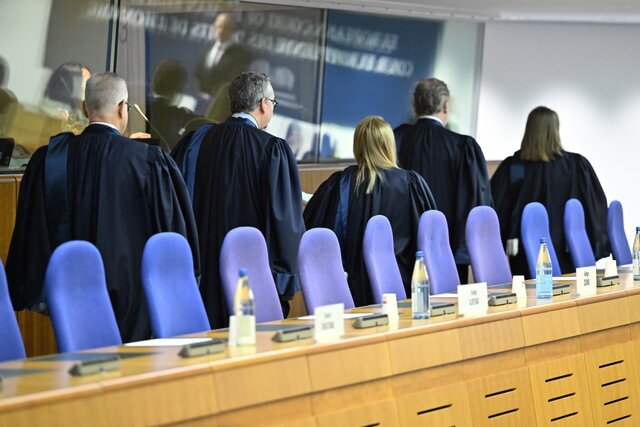
In early September, the European Court of Human Rights announced its decision not to review 879 complaints filed by Russians between September 2007 and September 2024. The court cited its authority to remove cases from its list when their continued examination is no longer justified due to limited resources. The court aimed to focus on cases of greatest significance.
Russia's expulsion from the Council of Europe in March 2022 led Russia to disregard previous rulings of the European Court of Human Rights after its full-scale invasion of Ukraine. Among the complaints struck from the list are cases involving Alexey Navalny, persecution of Jehovah's Witnesses, torture in Chechnya, and hundreds of others.
Russian lawyers representing clients affected by the court's decision highlighted the implications for people left without protection against the Russian state and the broader legal landscape. The court's decision aligns with Article 37(1)(c) of the European Convention on Human Rights, citing exceptional circumstances and Russia's refusal to comply with its rulings.
The court emphasized the need to efficiently use its limited resources, having already reviewed many Russian cases and established positions on main categories of Convention violations. While the court acknowledged the moral and legal importance of addressing these cases, it argued that continuing to examine them would be unjustified given Russia's lack of compliance and cooperation.
Written by urgent.news from Meduza (English)'s reporting — not their text. Machine-written — may contain errors; check the original before relying on it.