El tráfico de influencias, piedra angular de la investigación contra Zapatero
El ‘caso Palau’ o el ‘caso Nóos’ abordan el tipo delictivo, que fuentes del Supremo consideran “resbaladizo”
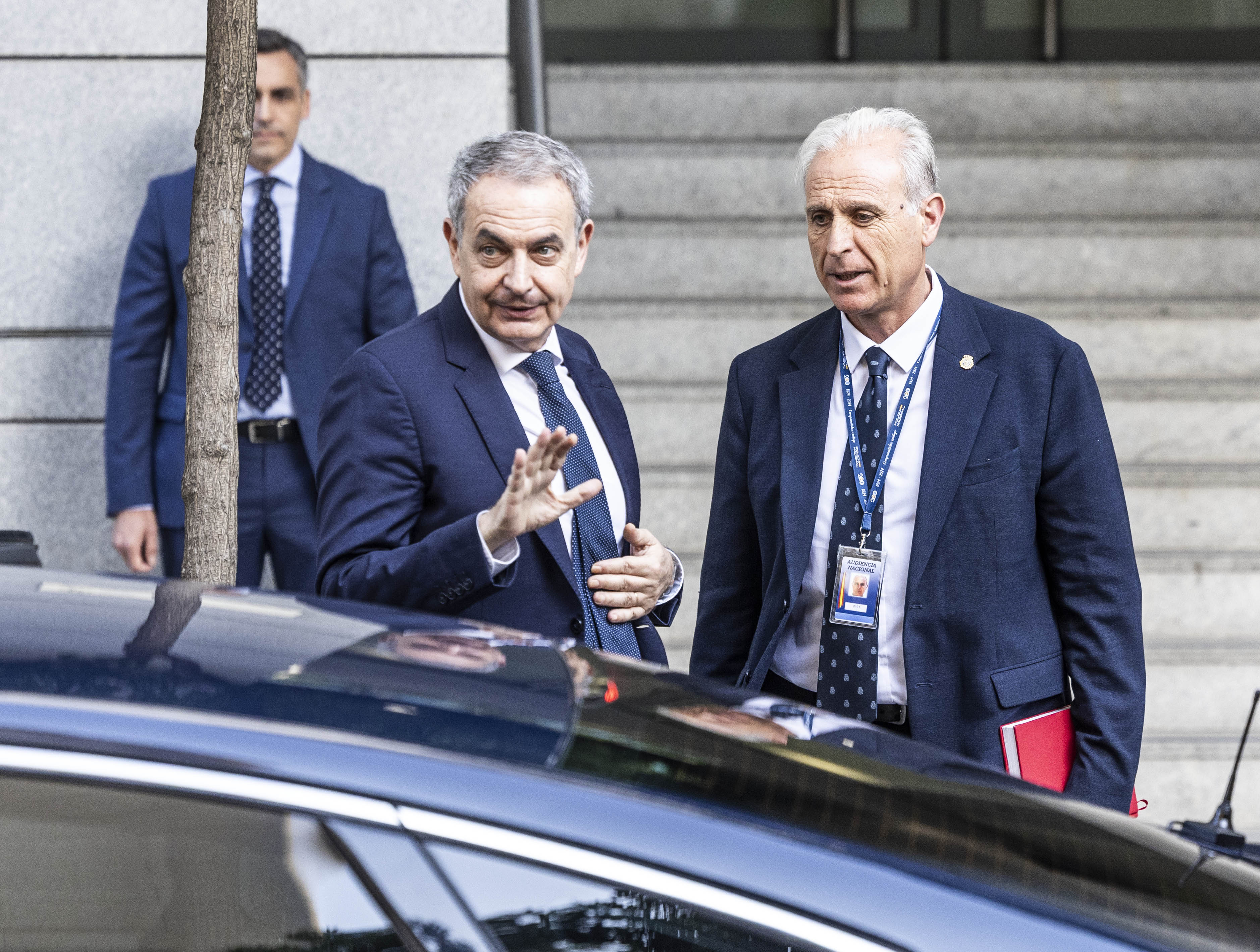
Influence trafficking is a key element in the investigation against former Spanish Prime Minister José Luis Rodríguez Zapatero, according to Judge José Luis Calama of the National Court. The legal landscape surrounding Zapatero's former leadership has become increasingly complex over the past two months. The investigation has now expanded to include statements from three additional individuals implicated in the case: Julio Martínez Martínez, the entrepreneur and owner of consultancy firm Análisis Relevante; Julio Martínez Sola, former head of Plus Ultra; and Roberto Roselli, former deputy advisor of the airline.
These statements suggest that Zapatero agreed to help secure a 53 million euro bailout for the airline during the COVID-19 pandemic. However, the exact parties who allegedly exerted influence over Zapatero and the specific methods used remain unclear. The Palau and Nóos cases delve into this type of criminal activity, which legal sources consider "slippery."
Written by urgent.news from El Pais's reporting — not their text. Machine-written — may contain errors; check the original before relying on it.