ECOLOGICAL AMNESIA: Bread & Wine: A land that can forget itself (Part Two)
Before getting into the actual farming of grain and grapes in the Western Cape, plant ecologist Eugene Moll walks me through what the land actually is that farms replaced.
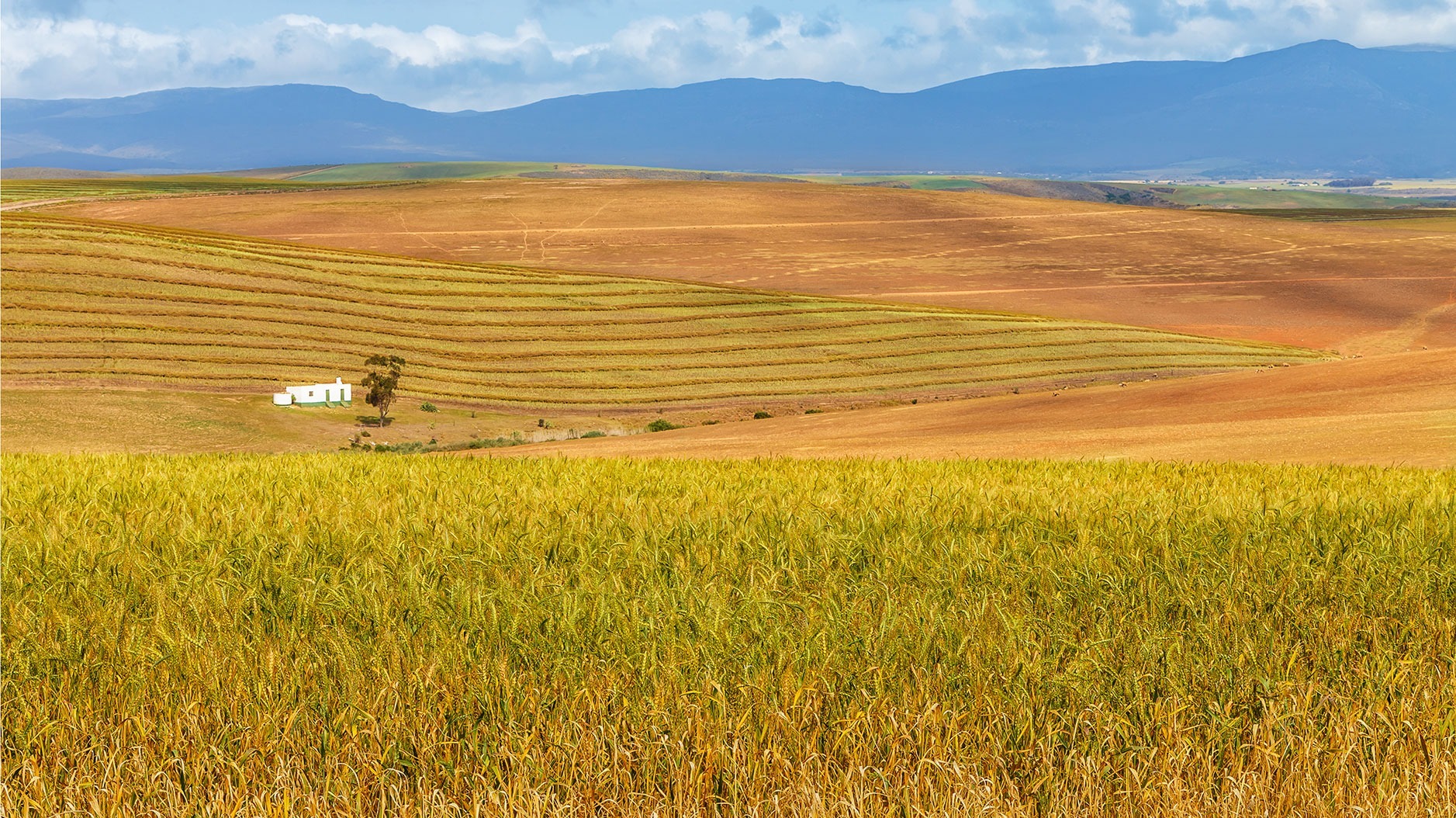
Eugene Moll, a plant ecologist from the University of Cape Town, explains that the Western Cape's landscape has been drastically altered by human activities. He compares it to "amnesia dressed as countryside" – a land that has forgotten its natural vegetation due to years of agricultural practices. The Western Cape is not a single flora but four or five distinct vegetation types, which have been isolated and intermingled for approximately 70 million years.
The key to understanding this unique ecosystem lies in phosphorus – without it, there is no energy and no life.
Renosterveld, a type of renosterbos, is often mistaken for natural scenery due to its prevalence in vineyards and wheat fields. However, Moll argues that this landscape is actually a weed or pioneer species. When humans arrived and began grazing livestock, they overgrazed the grass, giving way to woody weeds like renosterbos. This is one of the reasons why 95% of renosterveld has disappeared, leaving isolated pockets of this unique vegetation.
The soil, about 10 to 15 centimetres deep, is crucial for plant growth. When this layer is eroded, as was the case in the Karoo, millions of years of nutrients are lost in a short period of time. This has led to a simplification of the landscape, similar to what has happened across Europe. Despite the challenges, Moll remains cautiously optimistic, acknowledging that there is little hope for the Western Cape's future.
Written by urgent.news from Daily Maverick's reporting — not their text. Machine-written — may contain errors; check the original before relying on it.