Disrupting specific dopamine neurons in fruit flies erases long-term memories by ruining sleep
Researchers found that altering a small group of dopamine-producing neurons in fruit flies fragments their sleep. This sleep deprivation prevents the insects from forming long-term memories, highlighting a crucial neural link between rest and learning.
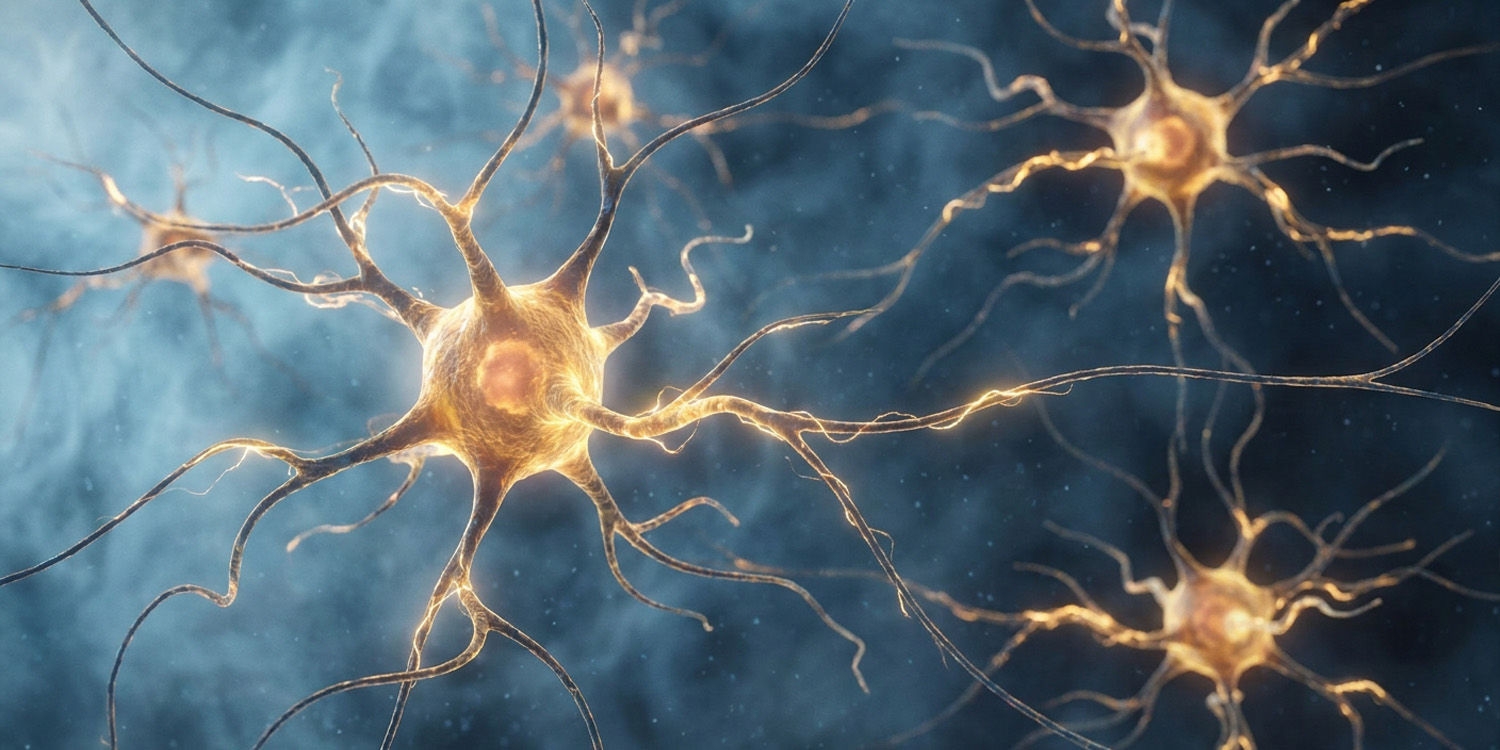
A study on fruit flies discovered that disrupting the resting activity of certain dopamine-producing neurons impairs long-term memory formation and leads to sleep loss. Long-term memories are not immediately stored in the brain; they undergo a consolidation process where neural connections are reorganized and stabilized. Sleep is crucial in this process, as memory consolidation may involve replaying recent experiences during sleep to strengthen memory circuits.
The researchers focused on two groups of neurons – the protocerebral anterior medial dopaminergic neurons and the dorsal paired medial neurons – and found that disrupting the basal activity of a subset of PAM dopaminergic neurons impaired memory consolidation. Inhibiting DPM neurons also led to memory deficits. The sleep disruptions caused by these neural disruptions were primarily mediated by a specific dopamine receptor, Dop1R1, and were strongly dependent on the flies' internal state, particularly during starvation.
However, administering gaboxadol, a sleep-promoting drug, could restore long-term memory consolidation, suggesting that sleep disruption contributed to the memory impairment. While the study provides insight into the relationship between sleep and memory, it was conducted on fruit flies, and results in humans may differ.
Written by urgent.news from PsyPost's reporting — not their text. Machine-written — may contain errors; check the original before relying on it.