Climate change pushes thirsty bears into Coloradans’ cars — one honked a horn for hours from 3am onward
Patrick Sullivan was sure it was a “crazy neighbor” honking a car horn nonstop while he was up feeding his infant son at 3 a.m. one night this summer.
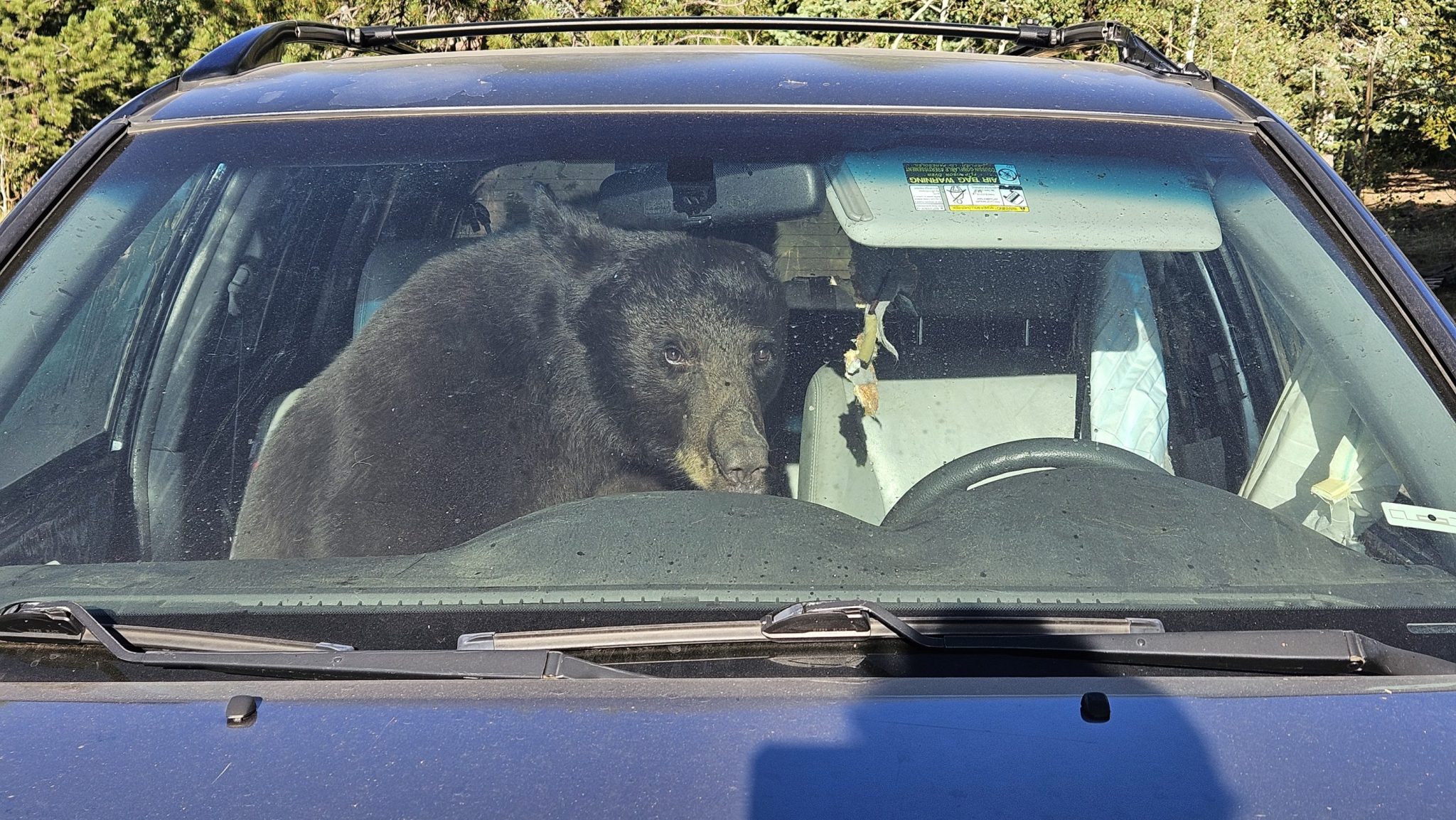
A black bear found itself in a Toyota SUV at 3 a.m. in Gold Hill, Colorado, while its owner was up feeding his infant son. Trapped inside, the bear kept honking the horn as it tore apart the interior in search of escape. The vehicle was ultimately totaled. This incident is part of a growing trend of bears venturing into human territory due to drought conditions in the Rocky Mountains.
Millions of residents in bear habitats are experiencing more bear sightings and conflicts than usual. Wildlife officials have responded by tranquilizing and relocating bears, as well as euthanizing those that become a threat to humans. The primary attractant for hungry bears is unsecured trash, with a large number of conflicts stemming from this issue.
This year, Colorado has reported twice as many bear sightings and conflicts compared to average years, including bears in locations outside their typical range. The dry winter has persisted into summer, exacerbating the situation. Scientists attribute the increase in bear-human interactions to climate change, which has led to severe snowpack reductions and widespread wildfires, destroying bear habitats.
Written by urgent.news from Fortune's reporting — not their text. Machine-written — may contain errors; check the original before relying on it.