Chance for Childhood calls for increased funding for inclusive education in Ghana
The Country Representative and Safeguarding Lead at Chance for Childhood, Richard Opoku, has called on the government to increase funding for the implementation of Ghana’s Inclusive Education Policy to ensure that children with disabilities and special educational needs can fully participate in mainstream education.
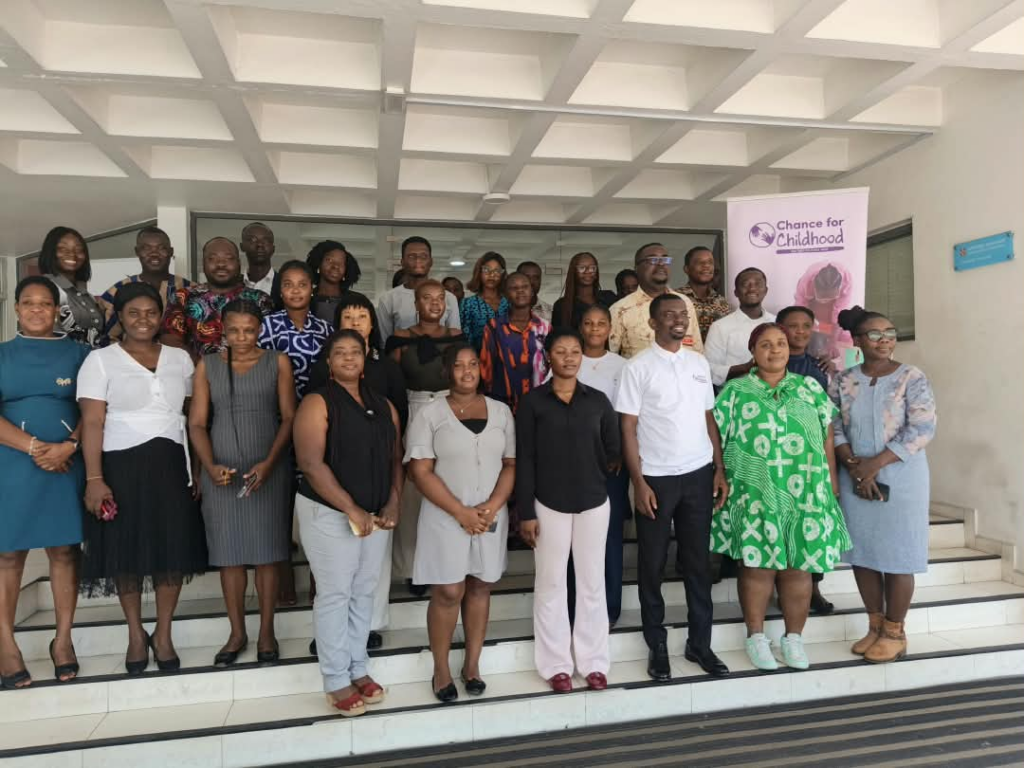
Richard Opoku, the Country Representative and Safeguarding Lead at Chance for Childhood, has urged the Ghanaian government to boost funding for the implementation of the country's Inclusive Education Policy. This policy aims to ensure that children with disabilities and special educational needs can participate fully in mainstream education.
Despite its introduction by the government in 2015, inadequate funding continues to be a significant obstacle to its effective implementation. Speaking at a media workshop in Accra, Opoku emphasized that Chance for Childhood is dedicated to providing every child, regardless of their abilities or educational needs, with the opportunity to learn, participate, and achieve.
The organization focuses on creating an educational environment where children with special needs can access learning opportunities and meaningfully engage in school and society. Opoku acknowledged that while Ghana took a crucial step by introducing the Inclusive Education Policy, the success of the policy is highly dependent on adequate resources for its implementation.
He argued that the lack of sufficient funding has consistently hindered the ability of relevant institutions to provide necessary support for children with disabilities. He proposed increasing the allocation for inclusive education in the national education budget to at least two percent, in order to support critical interventions such as teacher training and the provision of appropriate teaching and learning materials.
Opoku also stressed the importance of providing continuous capacity building for teachers who work with children with disabilities and those requiring special educational assistance. He stressed that teachers need regular updates in knowledge and skills to effectively respond to the diverse needs of learners. In addition to professional training, teachers also require adequate motivation and recognition for their work.
Opoku suggested that motivation should not solely be limited to financial incentives, and recommended that institutions and organizations explore other ways of recognizing and encouraging teachers who have dedicated their careers to supporting children with disabilities. The workshop also focused on the role of journalists and media organizations in shaping public understanding of disability and inclusive education.
Opoku highlighted that the media has a significant influence on how persons with disabilities are perceived, and the manner in which disability-related issues are reported can either reinforce negative stereotypes or contribute to a more inclusive society. He urged journalists to approach disability-related reporting with greater sensitivity and a stronger understanding of the issues affecting persons with disabilities.
He further emphasized that achieving inclusive education cannot be left to schools or government institutions alone, and stressed the importance of collaboration between government, schools, civil society organizations, non-governmental organizations, corporate institutions, the media, and the wider public.
Written by urgent.news from MyJoyOnline Ghana's reporting — not their text. Machine-written — may contain errors; check the original before relying on it.