Can Trump Make Americans Mine Again?
The United States lacks the people to power its critical mineral ambitions.
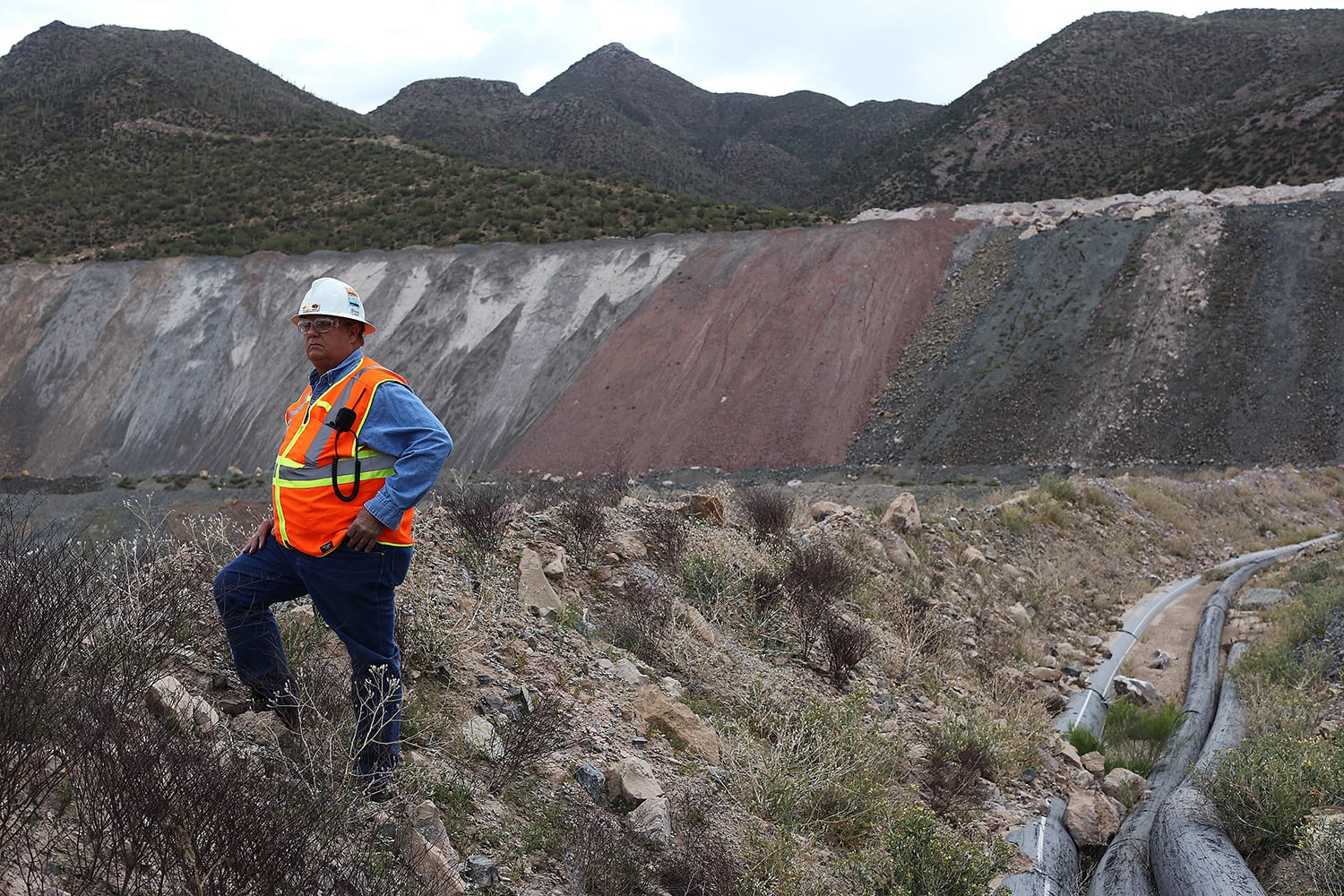
As U.S. colleges reopen for the academic year, President Donald Trump is pushing for more students to pursue careers in the critical minerals industry. Over half of the current 221,000 mining workforce is expected to retire by 2029, according to the Society for Mining, Metallurgy, and Exploration (SME). This alarming trend has prompted the Trump administration to inject $180 million into U.S. mining schools, aiming to double their graduate numbers within two years.
Mining engineers oversee the lifecycle of mines and can work in various roles, from mine design to environmental specialties. Currently, there are only 14 mining schools in the United States, down from 25 in the 1980s, which only graduate 150-200 mining engineers a year. In comparison, China graduates over 3,000 mining engineers annually.
The issue of talent shortage is a concern, with many analysts warning that the U.S. lacks the workforce to compete with China in the mining sector. In August, the Trump administration unveiled plans to pump $180 million into U.S. mining schools, hoping to boost talent pipelines and increase graduate numbers. Mining engineers are at the forefront of this effort, overseeing the lifecycle of mines and working in areas ranging from mine design to environmental specialties.
The United States has 14 mining schools, down from 25 in the 1980s, which only graduate 150-200 mining engineers a year. China, on the other hand, graduates over 3,000 mining engineers each year. This disparity has significant implications for the expertise available in the United States.
The Trump administration has made mineral security a top priority, with critical minerals becoming a focal point in the ongoing trade wars. These minerals, deemed essential to economic and national security, have gained increased attention in the public eye. This renewed focus on critical minerals may be driving up university enrollment in mining engineering.
For instance, undergraduate enrollment in mining engineering at the Colorado School of Mines has doubled in recent years, from around 100 students three years ago to 200 this year. Similarly, Virginia Tech has seen a surge in interest in mining engineering, with the number of applications increasing from two in the 2020 admissions cycle to 55 in the most recent cycle.
Despite these positive signs, the sector still faces challenges. Mining may now be receiving a makeover, but its environmental and social reputation remains tarnished. To attract more students, mining programs need to become more attractive to both students and their parents.
Written by urgent.news from Foreign Policy's reporting — not their text. Machine-written — may contain errors; check the original before relying on it.