Can Iran really wage an economic war on the US?
Iran has threatened to wage an “economic war” against the US as tension between the two countries escalates, but experts say Tehran has few conventional economic weapons capable of directly hurting the world’s largest economy. Mohsen Rezaei, the secretary of Iran's Supreme National Security Council, issued dual economic and military threats on X on Tuesday, stating that US economic warfare will…
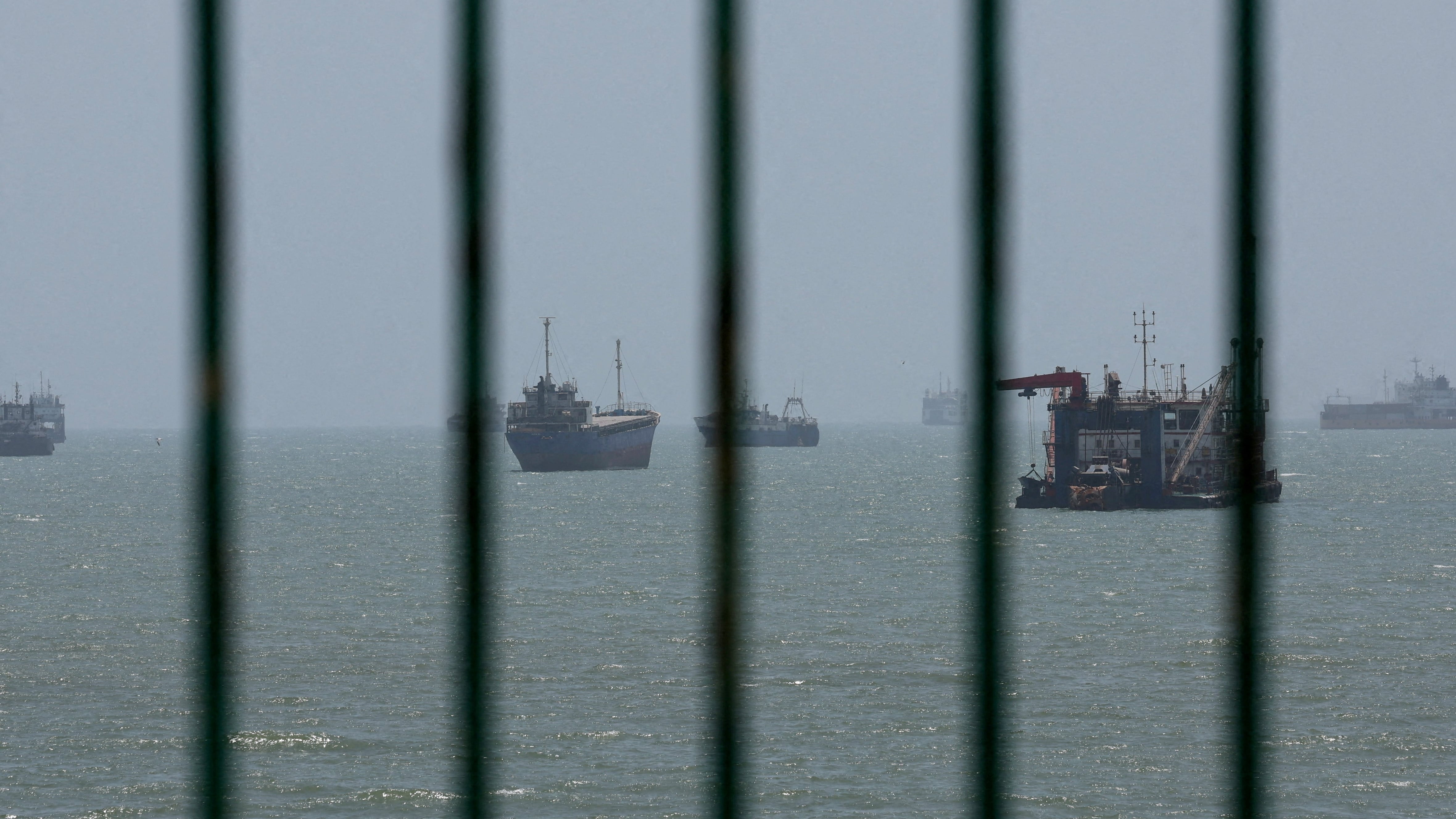
Iran has vowed to wage an "economic war" against the United States as tensions between the nations increase, but analysts argue that Tehran lacks conventional economic weapons powerful enough to directly damage the world's largest economy. Iran's Supreme National Security Council Secretary Mohsen Rezaei posted dual economic and military threats on X, claiming that US economic warfare would be countered by maritime exclusion zones.
This came after a series of vessel attacks between Iran and the US, and US Treasury Secretary Scott Bessent's announcement of a planned "economic D-Day" or "Operation Economic Outcast" against Iran. Iranian experts, however, suggest that Iran's financial arsenal is constrained. Eckart Woertz, director of the Giga Institute for Middle East Studies, stated that Iran cannot influence global infrastructure channels such as payment systems often weaponized through sanctions.
He added that Iran's effect on Hormuz and maritime security in the Red Sea via the Houthis is significant. The Houthis attacked Saudi Arabian facilities, causing civilian and economic damage and wounding 73 people. This is important because Iran does not need to bring the US economy to a halt to inflict consequences on Americans.
Oil prices have risen due to these actions, while tanker traffic in the Strait of Hormuz remains below pre-war levels. Mehran Haghirian, executive director of research and programmes at the Bourse & Bazaar Foundation, stated that all the targets Iran attacks are linked to the US one way or another. The Strait of Hormuz remains Iran's most prominent global economic leverage.
Iran has proposed greater control over passage through the waterway, which could generate over $10 billion in revenue. However, this red line remains un-crossed by the UAE and other Gulf countries. US pressure is also restricting Iran's economic activities, as Iranian crude exports have dropped due to a US blockade and stricter sanctions.
This creates a dilemma for Iran: actions that raise global energy costs can prevent Iran from selling its oil. While China and Russia may provide some economic relief to Tehran, they are not considered real allies of Iran, and Haghirian doubts their willingness to risk their relationship with the US for a small tactical win. Iran can cause localized outages, business interruptions, and reputational damage through cyber attacks, according to Mohamed Amine Belarbi, founder and CEO of cyber risk company Cypherleak.
However, there is no evidence that Iran can paralyze the entire American economy. The most plausible scenario involves a series of relatively inexpensive attacks like denial-of-service campaigns, data theft, ransomware, destructive malware, and attacks on poorly secured industrial equipment. These actions could be costly without causing a national shutdown.
North Korea serves as an example of how a heavily sanctioned and conventionally weaker state can impose disproportionate costs and steal money, including through cryptocurrency. Iran can hurt American economic interests asymmetrically, making oil more expensive, disrupting shipping, imposing costs on American businesses through cyber attacks, and increasing economic pressure on US partners in the Gulf.
Written by urgent.news from The National Business's reporting — not their text. Machine-written — may contain errors; check the original before relying on it.
Also reported by 1 other outlet
- Can Iran really wage an economic war on the US? thenationalnews.com