Brent oil tops $100 as Middle East conflict intensifies, stoking supply fears
Oil prices topped $100 a barrel on Wednesday for the first time in six weeks as an escalation in fighting by US and Iranian forces deepened concerns over supply from the region and raised fears of in...
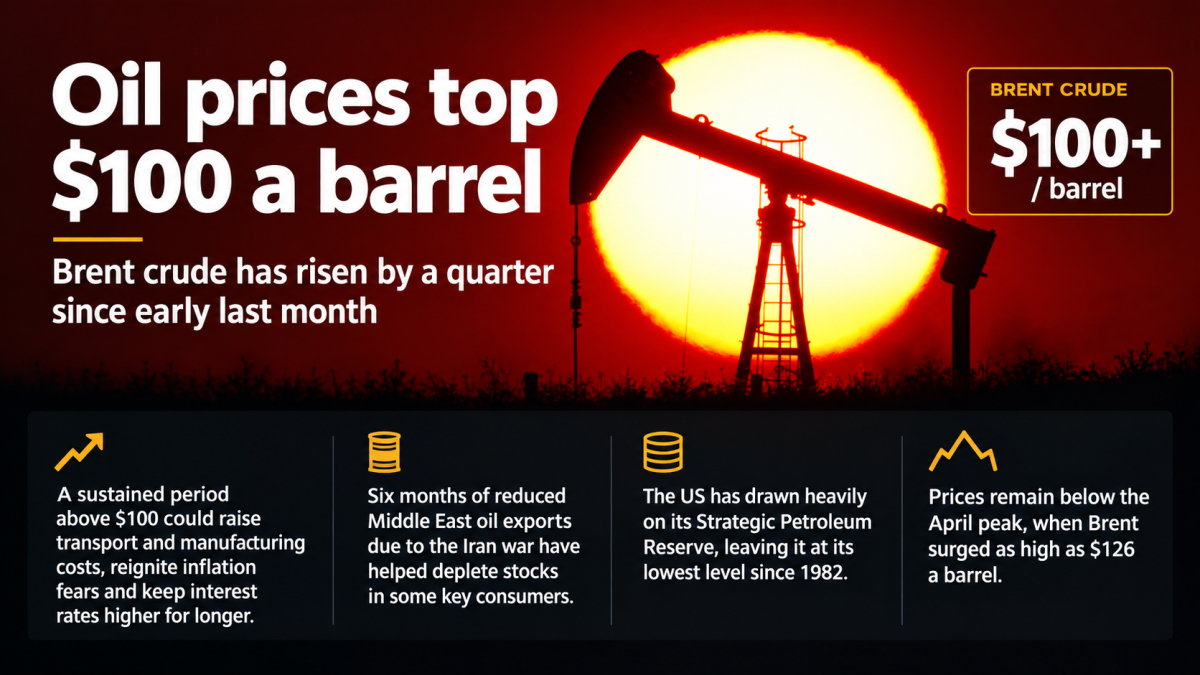
Brent oil prices surged past $100 per barrel for the first time in six weeks on Wednesday, amid escalating violence between US and Iranian forces, heightening worries about Middle East oil supply and potential inflationary pressures. The price of Brent, a global oil benchmark, has climbed by a quarter since early last month as hopes fade for a durable end to the six-month-long US-Iran conflict.
This upward trend intensified this week following Houthi attacks on Saudi energy facilities, igniting a blaze at oil installations and raising the risk of wider disruptions across the Gulf region.
Oil traders are expressing their concerns about the impact of the latest Middle East escalation in a clear manner, as Tamas Varga of oil broker PVM explained. They are "voting with their dollars" and signaling that unless the Strait of Hormuz reopens and oil resumes uninterrupted flow, the supply-demand balance will remain skewed in the foreseeable future.
While Brent futures have not yet reached the $126 level set earlier in the conflict, a sustained period above $100 a barrel could have far-reaching implications beyond energy markets, potentially increasing transport and manufacturing costs, reigniting inflation fears, and prolonging higher interest rates.
The six-month reduction in Middle East oil exports due to the Iran war has contributed to the depletion of oil stocks in key consumers. The United States has heavily relied on its Strategic Petroleum Reserve, which now stands at its lowest level since 1982. The reserve currently holds 289.7 million barrels, down from years of releases by former President Joe Biden and President Donald Trump, aimed at mitigating consumer fuel price hikes.
Persistently high pump prices above $4.00 per gallon pose a risk for President Trump's Republican Party, which will be campaigning to retain narrow majorities in both houses of Congress during the November midterms.
The International Energy Agency (IEA) announced in March a release of 400 million barrels from emergency oil reserves, stating that the global economy still possesses substantial stocks. However, roughly three-quarters of this have already been released. Overall global oil stocks, covering various types such as commercial stocks, the US SPR, Chinese stocks, and stocks on water, appear relatively stable.
Nevertheless, a significant portion of these reserves are either in transit, committed to buyers, or held in countries that provide limited public information about available reserves, like China. Prices have not yet reached their April peak, when Brent hit $126 a barrel. Nonetheless, the return to oil prices above the triple-digit level raises concerns for a market with limited room for error, as reduced inventories and limited spare capacity leave supplies susceptible to further disruptions.
Approximately 10 million barrels per day, or around 10% of global oil demand, are currently missing, primarily due to the Iran war. While some producers, including the US, Canada, and Guyana, have increased output, the IEA expects global oil supply to decline by 4.3 million barrels per day, or about 4%, this year. With emergency stockpiles depleted and millions of barrels already offline, analysts argue that the market now has less capacity to absorb new disruptions compared to the beginning of the war.
This rise in energy prices is not a temporary phenomenon, but rather a structural issue that will persist and potentially worsen, according to Jeffrey Currie, co-chairman at Abaxx Markets.
Written by urgent.news from Gulf Times Business's reporting — not their text. Machine-written — may contain errors; check the original before relying on it.
This story
This is one outlet's version. Read the fullest account.
- Gold falls amid Middle East tensions thepeninsulaqatar.com
- Copper slips from record highs on Middle East worries brecorder.com
- Gulf carriers drive 21% surge in Middle East air connectivity gulf-times.com
- CNBC Daily Open: Rising tensions — from North America to the Middle East cnbc.com
- WTI slips below $90.50 despite rising Middle East supply risks fxstreet.com
- Oil prices rise to six-week highs on worsening Middle East conflict businesstimes.com.sg
- Oil rises as risks of prolonged Mid-East conflict heighten supply worries straitstimes.com
- Brent crude rises above US$100 a barrel as Middle East conflict intensifies channelnewsasia.com