Bitcoin dips toward $78k as as Fed, oil pressures mount
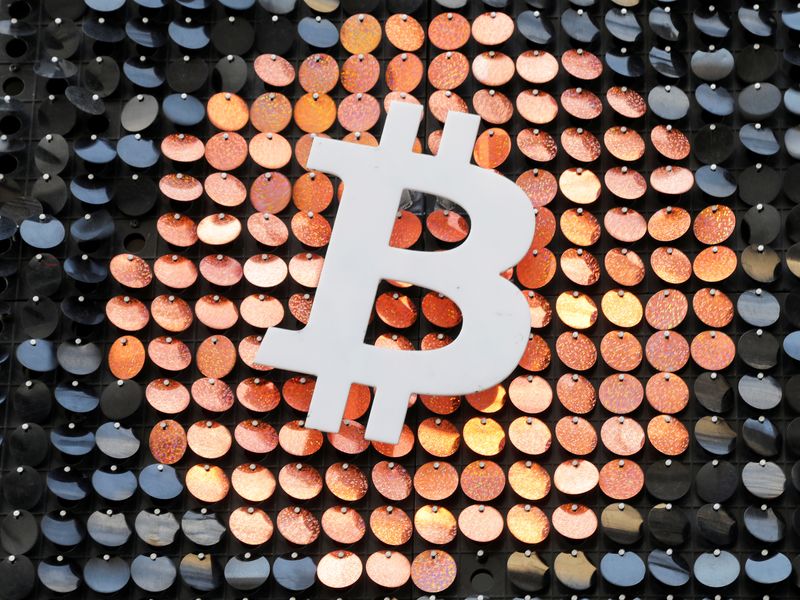
Bitcoin dipped closer to $78,000 on Tuesday, extending its decline from last week's three-month peak, as unexpectedly strong U.S. jobs data bolstered hopes for a Federal Reserve interest-rate increase this month, and surging oil prices heightened inflation worries. Last trading at $78,777.5, the leading cryptocurrency slipped 0.8% by 05:39 ET (09:39 GMT).
It had briefly surpassed $82,000 last week before falling in the wake of the U.S. employment report from Friday. Comprehensive crypto market insights are available with an InvestingPro subscription. In August, U.S. employers added 162,000 jobs, considerably more than economists had anticipated, while the unemployment rate stayed at 4.1%.
This data boosted the probability of a 25-basis-point Fed rate hike at the September 16 meeting to about 60%, according to CME FedWatch, though other market indicators were nearer to the low-50% range. Generally, higher interest rates hurt Bitcoin and other risk-sensitive assets by boosting the attractiveness of income-generating investments and tightening financial conditions.
Treasury yields have also risen, with the 10-year yield near 4.8%. Investors are now anticipating U.S. producer prices on Thursday and consumer inflation data on Friday, the final significant inflation figures before the Fed meeting. The recent oil price surge added another obstacle. Brent crude exceeded $98 a barrel on Tuesday, its highest in roughly six weeks, due to growing U.S.-Iran tensions raising concerns about supply disruptions and shipping through the Strait of Hormuz.
Despite the setback, Bitcoin still sits well above its recent lows, having gained around 25% in August. U.S. spot bitcoin ETFs also saw about $1 billion in inflows last week, adding to a three-week streak of positive flows and offering support to the market. Most alternative cryptocurrencies traded in narrow ranges on Tuesday, extending losses as investors remained cautious. World No. 2 crypto Ethereum rose 0.3% to $2,492.92.
Written by urgent.news from Investing.com's reporting — not their text. Machine-written — may contain errors; check the original before relying on it.