Beyond Muscles And Injuries: Dr Shraddha Patel Explains Why Cardiovascular Physiotherapy Matters For Heart And Lung Health
Physiotherapy is commonly associated with muscle pain, bone injuries and rehabilitation after accidents, but its role extends well beyond restoring movement. In an exclusive interview with The Free Press Journal , Dr Shraddha Patel, a Cardiovascular and Pulmonary physiotherapist with three years of experience, sheds light on a lesser-discussed branch of physiotherapy that focuses on improving…
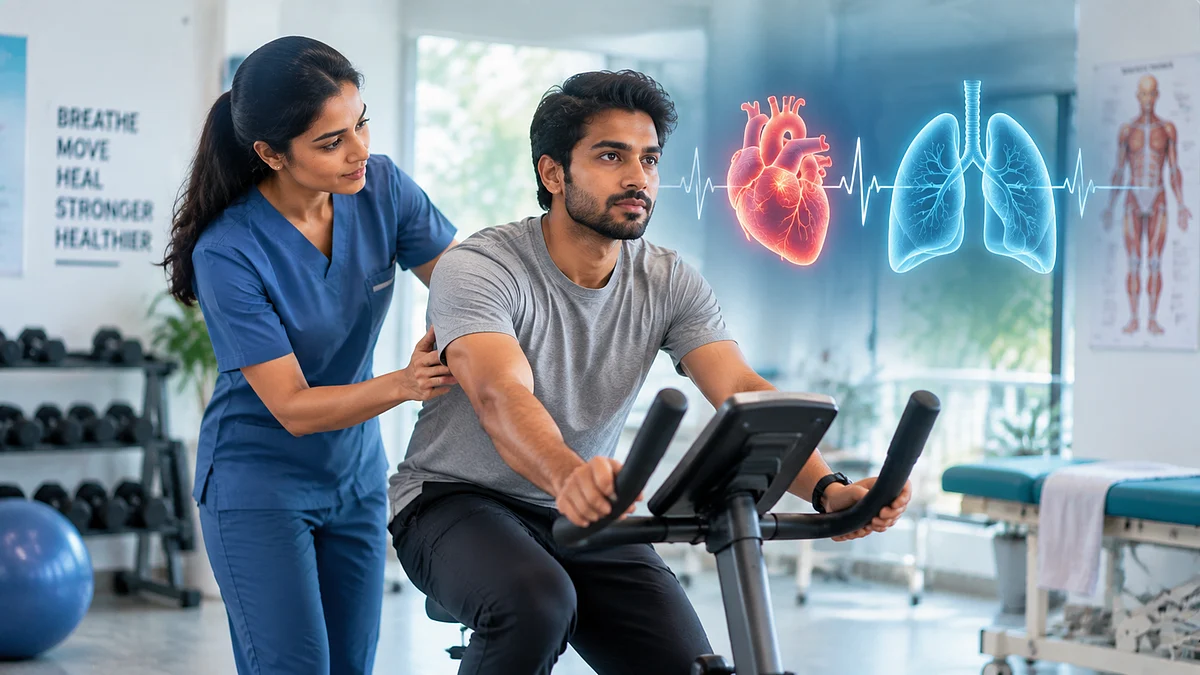
Cardiovascular and pulmonary physiotherapy goes beyond muscle rehabilitation, focusing on enhancing heart and lung function to improve overall physical capacity. Dr. Shraddha Patel, a Cardiovascular and Pulmonary physiotherapist, explains that the heart, lungs, and muscles work together to maintain bodily movement. Cardiovascular fitness is crucial for recovering patients and those with reduced physical capacity, as well as for maintaining general health.
Dr. Patel emphasizes that the heart is a muscle that requires exercise and strength training, just like other muscles. A well-functioning vascular system is needed to transport blood and oxygen throughout the body. Proper cardiovascular fitness enables muscles to receive oxygen and nutrients during physical activity.
The interconnected nature of heart, lungs, and muscles highlights the need to view cardiovascular fitness as a vital component of overall health, even for individuals without diagnosed heart or lung conditions. Preventive health should include endurance and breathing capacity, rather than waiting for illness to address these concerns.
After heart surgery, physiotherapy becomes essential to address restricted movement and reduced lung capacity caused by surgery and stitches. Rehabilitation aims to rebuild strength in both the chest and upper limbs, ultimately improving a patient's quality of life. Cardiovascular physiotherapy can also benefit individuals recovering from stroke, muscular issues, or other conditions, as the heart and lungs play critical roles in overall health.
Dr. Patel stresses that cardiovascular fitness should be considered even before illness or injury, as people without heart disease can still have suboptimal cardiovascular function. Regular activities like walking can reveal how well endurance and breathing systems are functioning. For those with cardiovascular conditions, personalized exercise protocols are crucial to improving heart and lung efficiency.
Fear is a common challenge after cardiac events or surgery, as patients may worry about harming their heart during physical activity. Supervised rehabilitation, patient education, and clear communication are vital in helping patients overcome their fears and understand the benefits of prescribed exercises. In cardiac rehabilitation, rebuilding confidence can be as important as rebuilding endurance, as fear can hinder movement.
The ultimate goal of cardiovascular physiotherapy is to enable patients to perform everyday activities without struggling for breath. Success in this field is not necessarily about achieving a specific fitness milestone but allowing patients to walk and breathe comfortably during their daily routines. Assessing cardiovascular and pulmonary systems is essential for patients seeking physiotherapy for various reasons, as these systems significantly impact overall health and well-being.
Written by urgent.news from Free Press Journal's reporting — not their text. Machine-written — may contain errors; check the original before relying on it.