Australia has a housing shortage but builders are still collapsing. Why?
Owing about $3.4 billion to private lenders, Bathla's voluntary administration has thrown the construction of more than 2,000 apartments into limbo, while jeopardising a further pipeline of 14,000 homes.
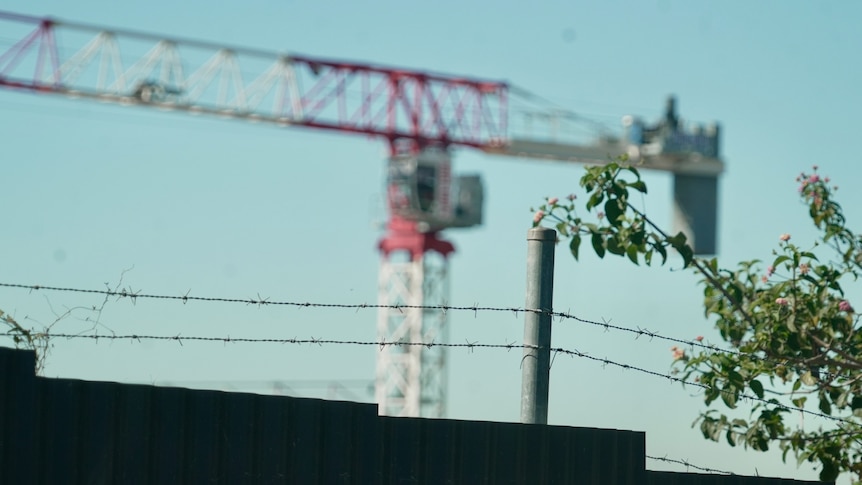
Across Australia, thousands are anxiously awaiting the outcome of their home construction, following several construction company collapses. The most notable recent collapse was the Bathla Group, a Sydney developer once among Australia's largest affordable home builders. The company's voluntary administration has halted the construction of over 2,000 apartments, jeopardising a pipeline of 14,000 homes.
Last week's figures revealed that 3,472 construction firms went bankrupt during the financial year ending June 30th, 2026, representing one in four (24.5%) of all company insolvencies nationwide. While the number of builder insolvencies slightly decreased for the first time since a sharp rise during COVID, construction sector insolvencies remain consistently higher than in other industries.
This makes it more challenging to build the housing Australia needs. The country is further behind in meeting the federal government's goal of constructing 1.2 million new homes by 2029, as official forecasts now indicate the target won't be met until December 2030 in New South Wales. With over 200 Bathla staff let go, the administrator works on a rescue deal, with most of Bathla's projects located in Western Sydney.
The collapse is closely watched due to its financial impacts across Australia. Bathla's business model relied on high volumes of low-cost building, and its regulator has inspected its sites more than 40 times, ordering it to fix defects. The company may have taken as many as 1,000 deposits from buyers for homes now stalled. Home buyers aren't the only ones affected; Bathla owes money to subcontractors and numerous non-bank lenders, highlighting the construction industry's heavy reliance on alternative finance.
The corporate watchdog is closely monitoring troubling developments in the private credit sector, as many Australians are exposed to private credit through their superannuation funds. Higher construction costs, thinner profit margins, and rising risks have strained the wider construction industry, with higher costs making some projects uneconomic for slim-profit builders.
Falling house prices and market sentiment, along with three interest rate hikes this year, have spooked investors and buyers. Builders locked into fixed-price contracts are absorbing unsustainable losses, contributing to the spike in builder insolvencies during COVID. Falling house prices and recent federal budget changes to housing tax concessions have made housing less attractive to investors, leading to further interest rate increases.
Ongoing shortages of tradespeople, along with competition from data centre builders driving up salaries, have exacerbated the situation. Governments recognize their role in creating structural barriers to building more homes, addressing issues like restrictive land-use regulation, slow approvals, poor infrastructure coordination, and complex regulation.
These factors increase costs and delays, particularly impacting small builders. The National Construction Code's complexity and frequent updates also hinder compliance, making housing the riskiest option for builders. Until these issues change, more builders may shift away from constructing the homes urgently needed, resulting in more headlines about another builder going bust.
Written by urgent.news from ABC News AU's reporting — not their text. Machine-written — may contain errors; check the original before relying on it.